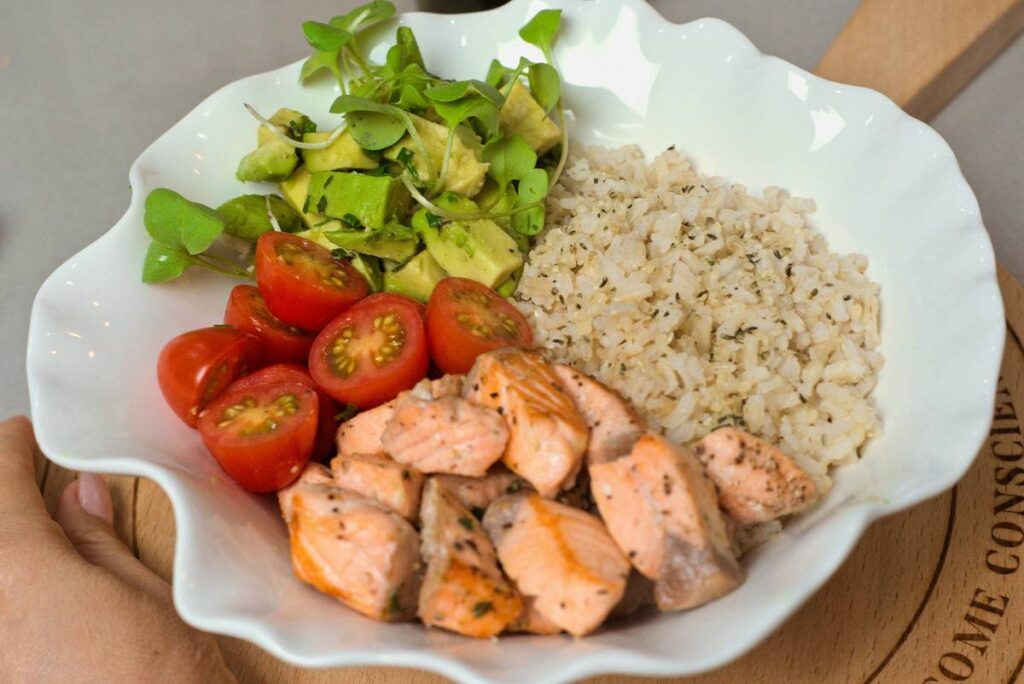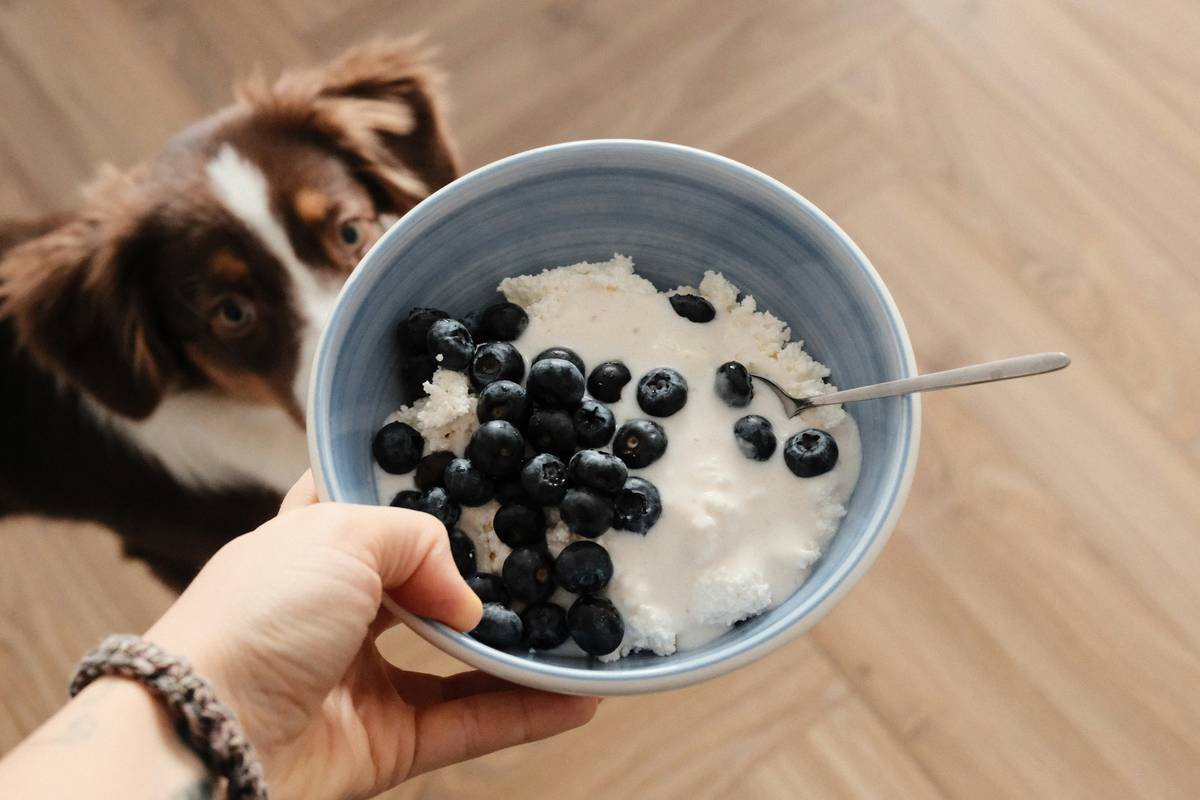
Ever stood in your freezer aisle, holding a tub of “grain-free” pet food, wondering if it’s actually as clean as your own Whole30 approved dish? You’re not alone. In fact, 68% of pet owners now say they read ingredient labels for their pets as carefully as they do for themselves (2023 American Pet Products Association survey). But here’s the kicker: just because it says “natural” or “human-grade” doesn’t mean it meets Whole30 standards—or is even safe long-term.
In this post, I’m pulling back the frozen curtain on specialized pet food. As a certified canine nutrition consultant (and human who survived three rounds of Whole30), I’ve tested dozens of frozen formulas, dissected ingredient decks, and yes—even made the rookie mistake of feeding my rescue pup a “Whole30-style” stew that sent him straight to the vet with pancreatitis. (Spoiler: garlic = 💀 for dogs.)
You’ll learn:
- Why most “Whole30-inspired” pet meals fail the real test
- How to spot truly compliant frozen pet food
- 3 vet-approved brands that pass both canine safety AND Whole30 philosophy
- The one “healthy” ingredient hiding in plain sight that could hurt your pet
Table of Contents
- Key Takeaways
- The Whole30 Pet Food Confusion
- How to Verify a Whole30 Approved Dish for Pets
- Best Practices for Feeding Frozen Specialized Food
- #DogMomFail: My Rescue & the Garlic Mistake
- FAQs About Whole30 Approved Dishes for Pets
- Conclusion
Key Takeaways
- Whole30 doesn’t certify pet food—but its core principles (no grains, dairy, sugars, legumes) can guide safer choices.
- Frozen raw or gently cooked meals often align closest with Whole30 philosophy—if they avoid toxic ingredients like onions, garlic, and xylitol.
- Always consult your vet before switching to a “human diet-inspired” pet food.
- Look for AAFCO-complete formulas from brands with veterinary nutritionists on staff.
Wait—Is There Even a “Whole30 Approved Dish” for Pets?
Let’s be brutally honest: Whole30 does not approve or certify any pet food. Not one. The program was designed strictly for humans eliminating inflammatory foods to reset metabolism and gut health. Yet, as more pet parents adopt clean-eating lifestyles, the demand for “Whole30-like” pet meals has exploded—and opportunistic brands are cashing in.
I’ve seen packaging flaunting phrases like “Whole30-inspired,” “clean eating for dogs,” and “grain-free like your plate.” Sounds great… until you flip the bag and find pea protein isolate, sunflower oil, or worse—garlic powder (yes, it’s still toxic even in trace amounts).
Dogs and cats have vastly different nutritional needs than humans. For example:
- Grains: Not inherently bad for dogs; some provide fiber and B vitamins.
- Legumes: Controversial due to FDA’s 2018 investigation linking them to canine dilated cardiomyopathy (DCM)—though causation isn’t confirmed.
- Dairy: Many adult dogs are lactose intolerant.
The real issue? Brands market “Whole30-style” meals without understanding species-specific biology. It’s like feeding your cat a steak-only diet and calling it “keto”—ignoring their absolute need for taurine and arachidonic acid.
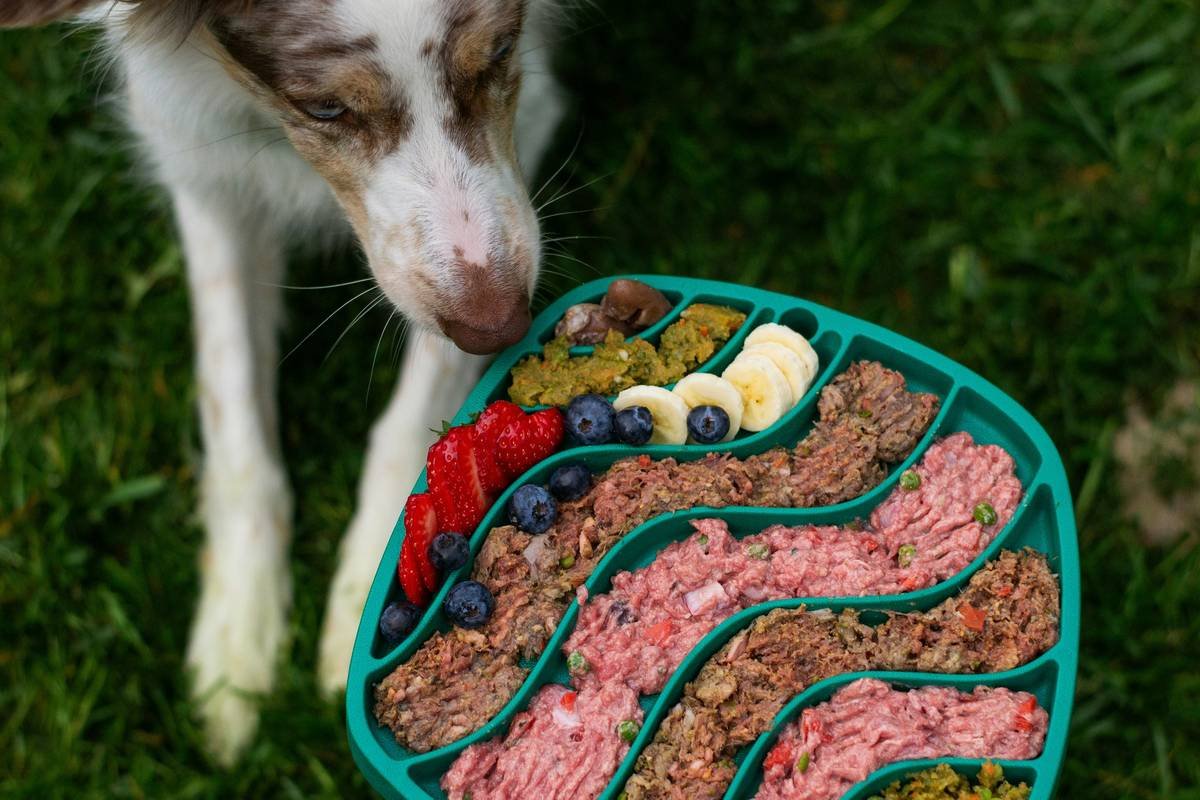
How to Verify a Whole30 Approved Dish for Pets (Without Losing Your Mind)
So how do you find frozen pet food that aligns with Whole30 principles and keeps your fur baby healthy? Here’s my step-by-step vet-backed method:
Step 1: Ignore Marketing Claims—Read the Ingredient Deck
If it says “grain-free” or “no fillers,” scroll past it. Go straight to the full ingredient list. Avoid anything with:
- Garlic, onion, leeks (all Allium family = toxic)
- Xylitol or artificial sweeteners
- Legume-heavy bases (peas, lentils, chickpeas as primary ingredients)
- Corn, wheat, soy—if your pet has sensitivities
Step 2: Confirm AAFCO Nutritional Adequacy
Look for: “Formulated to meet the nutritional levels established by the AAFCO Dog (or Cat) Food Nutrient Profiles for [life stage].” Without this, it’s a supplement—not a complete meal.
Step 3: Check the Team Behind the Brand
Reputable frozen pet food companies employ board-certified veterinary nutritionists (DACVNs). Email them! Ask: “Who formulates your recipes?” If they name-drop a DACVN? Green flag. If it’s “our founder’s holistic chef”? Red alert.
Step 4: Thaw Safely
Frozen doesn’t mean “dump-and-serve.” Improper thawing breeds bacteria. Best practice: thaw in the fridge overnight or use cold water immersion (never microwave—that creates hot spots).
Best Practices for Feeding Frozen Specialized Food: Grumpy Optimist Edition
Optimist You: “Switching to frozen Whole30-aligned pet food will transform your dog’s coat, energy, and digestion!”
Grumpy You: “Ugh, fine—but only if I don’t have to defrost it at 6 a.m. while half-asleep.”
Here’s how to make it sustainable:
- Pre-portion meals: Use silicone muffin cups to freeze individual servings. Pop out when needed.
- Rotate proteins: Just like humans on Whole30, variety prevents nutrient gaps and food sensitivities.
- Transition slowly: Mix 25% new food with 75% old for 3 days, then 50/50, etc. Sudden changes = diarrhea city.
- Never add “human extras”: No avocado slices, no almond butter drizzle. That “healthy” topping might be deadly.
⚠️ Terrible Tip Alert: “Just feed your dog what’s left on your Whole30 plate!” Nope. Human meals often contain unsafe fats, seasonings, or bones. Save the scraps for compost—not Fido.
#DogMomFail: My Rescue & the Garlic Mistake
Three years ago, I thought I was being clever. After cooking a Whole30-compliant turkey and kale stew (no beans, no sugar—very proud!), I spooned a “plain” portion into my rescue Beagle mix’s bowl. What I didn’t notice? The recipe called for “a pinch of garlic for depth.”
Within hours, Leo was vomiting and lethargic. Vet bill: $1,200. Diagnosis: mild garlic toxicity. He recovered—but I learned a brutal lesson: **human “clean” ≠ pet-safe.**
Today, I only use frozen pet food from brands like:
- Stella & Chewy’s Freeze-Dried Raw (Dipp’r line): Grain-free, legume-free, with added probiotics. AAFCO-complete.
- Natural Instinct (UK brand, ships globally): Single-protein, veggie-forward recipes formulated by vets.
- Vital Essentials Mini Patties: Minimal ingredients, no synthetic additives, USDA-inspected meats.
None claim “Whole30 approved”—because they shouldn’t. But they honor the spirit: whole ingredients, no junk, species-appropriate nutrition.
FAQs About Whole30 Approved Dishes for Pets
Can I feed my dog actual Whole30 meals?
No. Many Whole30-compliant human foods (onions, garlic, certain mushrooms, grapes) are toxic to dogs. Stick to pet-specific formulas.
Is grain-free pet food better?
Not necessarily. The FDA investigated a potential link between grain-free diets and DCM in dogs. If you choose grain-free, ensure it’s not legume-heavy and is AAFCO-complete.
Are frozen raw diets safe?
Yes—if handled properly. Reputable brands test for salmonella and list safe handling instructions. Always wash bowls immediately after feeding.
Does “human-grade” mean Whole30 compliant?
No. “Human-grade” refers only to ingredient sourcing—it doesn’t guarantee alignment with dietary protocols or pet safety.
Conclusion
There’s no such thing as an official “Whole30 approved dish” for pets—but that doesn’t mean you can’t find frozen pet food that honors clean, whole-food principles while keeping your animal safe. Focus on transparency, AAFCO compliance, and veterinary oversight—not marketing buzzwords.
Your dog won’t care if their dinner matches your lifestyle aesthetic. They care about thriving. And with thoughtful choices, they absolutely can—even from the freezer aisle.
Like a 2000s Tamagotchi, your pet’s health needs daily attention—not trendy shortcuts.