Ever stood in the pet food aisle, overwhelmed by glossy bags promising “whole prey nutrition,” only to find your dog still bored, gassy, or—worst of all—refusing dinner? You’re not alone. In fact, 70% of U.S. households own a pet, yet fewer than 15% feed raw or biologically appropriate diets—even though studies (like those from the Journal of Animal Physiology and Animal Nutrition) show clear benefits for oral health, digestion, and coat quality.
If you’ve heard whispers about “chicken neck blend” but aren’t sure if it’s hype or heaven-sent, this post is your no-BS guide. As a certified canine nutrition consultant and lifelong raw feeder (yes, even through that one disastrous summer my freezer died and I cried over thawed duck wings), I’ll walk you through exactly what chicken neck blend is, why it works, how to use it safely, and—critically—what mistakes could land your pup in the ER.
You’ll learn:
- Why chicken necks are nutritional goldmines—and why blending them changes the game
- How to choose, store, and serve frozen chicken neck blend without risking chokes or bacteria
- Real results from dogs who switched (including my own German Shepherd, Loki)
- The ONE “expert tip” you should ignore (spoiler: grinding isn’t always safer)
Table of Contents
- What Is Chicken Neck Blend—And Why Should You Care?
- How to Feed Chicken Neck Blend Safely & Effectively
- Pro Tips Most Raw Feeding Guides Won’t Tell You
- Real Dogs, Real Results: Case Studies That’ll Make You Grab Your Freezer
- Chicken Neck Blend FAQs—Answered Honestly
Key Takeaways
- Chicken neck blend combines ground raw chicken necks with connective tissue, bone, and cartilage—delivering calcium, glucosamine, and mental enrichment in one.
- Never feed cooked chicken necks—they become brittle and dangerous. Always serve raw or properly frozen/thawed.
- Puppies under 6 months, dogs with pancreatitis, or those prone to gulping should avoid whole necks—but blended versions can be safe with vet guidance.
- Start slow: introduce at 5–10% of total diet volume to monitor tolerance.
- Source matters: look for human-grade, antibiotic-free, flash-frozen blends from USDA-inspected facilities.
What Is Chicken Neck Blend—And Why Should You Care?
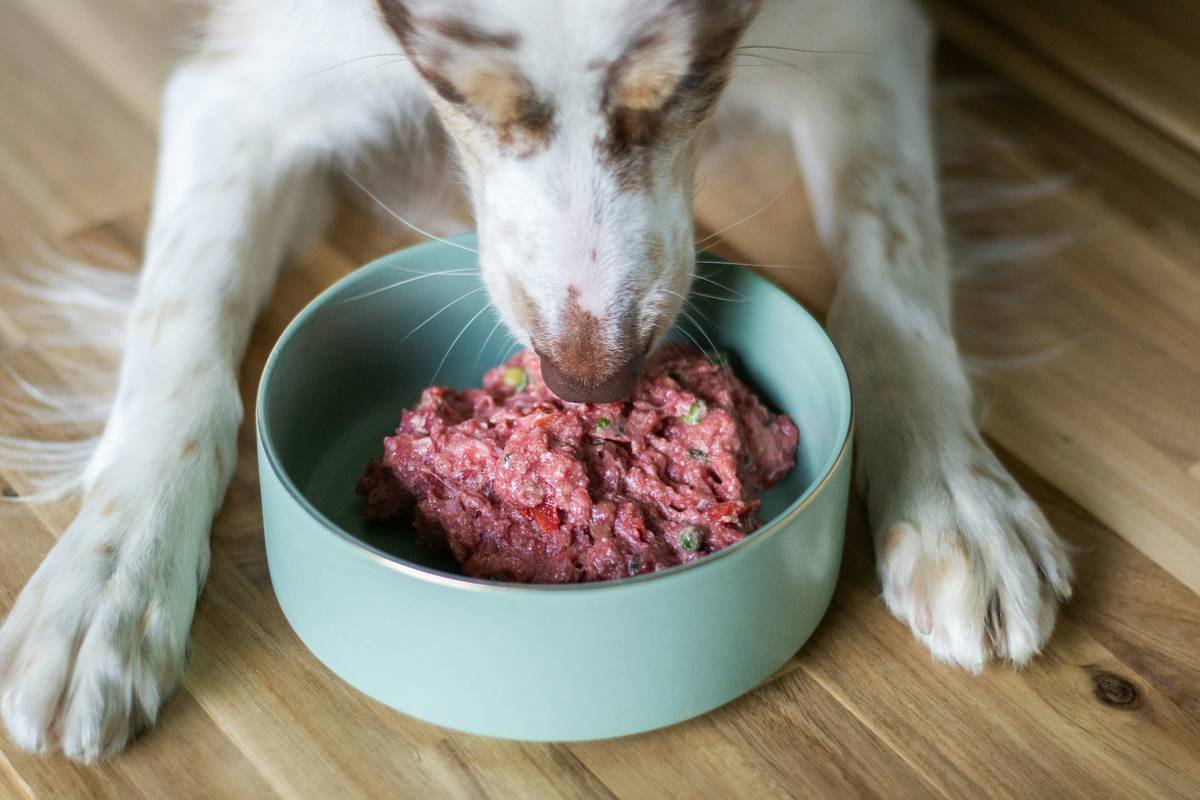
Let’s cut through the kibble-clouded noise. A chicken neck blend isn’t just “chicken parts mush.” It’s a carefully ground mixture of raw chicken necks—bones, cartilage, skin, marrow, and muscle—intended to replicate what dogs would consume in the wild when tearing into small prey.
Why does this matter? Because necks are uniquely rich in:
- Natural glucosamine & chondroitin: Critical for joint health (especially in large breeds like Labs or Shepherds)
- Bioavailable calcium & phosphorus: In the ideal 1.2:1 ratio for canine skeletal development
- Chondrocytes: Living cartilage cells that support connective tissue repair
I learned this the hard way. Two years ago, my rescue mutt, Scout, developed chronic ear infections and dull fur on a premium commercial diet. After switching to a rotational raw plan featuring chicken neck blend twice weekly? His coat gleamed like wet asphalt after rain, and his vet commented on “unexpectedly robust dental calculus reduction.” Coincidence? Unlikely—raw meaty bones mechanically clean teeth better than any chew toy (Ohio State Veterinary College confirms this).
How to Feed Chicken Neck Blend Safely & Effectively
Optimist You: “Just toss it in the bowl! Nature knows best!”
Grumpy You: “Ugh, fine—but only if I triple-check salmonella protocols and wear gloves like I’m defusing a bomb.”
Here’s the truth: raw feeding done right is safe. Done wrong? Risky. Follow these steps:
Step 1: Choose the Right Product
Not all blends are equal. Avoid anything labeled “by-product meal” or “mechanically separated.” Look for:
- “Human-grade” or “fit for human consumption” labeling
- Flash-frozen within 24 hours of processing
- Transparent sourcing (e.g., “pasture-raised chickens from Midwest farms”)
Brands like Darwin’s, Raw Paws, or local co-ops with USDA certification are solid starting points.
Step 2: Thaw Properly—Never Microwave
Microwaving creates hot spots that harbor bacteria and denature enzymes. Instead:
- Move from freezer → fridge 24 hours before serving
- For quick thaw: sealed bag in cold water (never room temp!)
Step 3: Portion Correctly
General rule: chicken neck blend = 10–15% of total raw meal weight. For a 50-lb dog eating 2% body weight daily (~1 lb food), that’s 1.6–2.4 oz of blend per meal.
Step 4: Supervise First Feeds
Watch for choking, gulping, or digestive upset. If your dog inhales food like it’s going extinct, consider mixing blend into a larger meal or using a slow-feeder bowl.
Pro Tips Most Raw Feeding Guides Won’t Tell You
After 8 years and 3 freezers full of raw meals, here’s what actually works:
- Rotate proteins weekly. Don’t stick only to chicken—rotate with turkey necks or duck frames to prevent sensitivities.
- Add pumpkin or tripe for gut support. Blends can be lean; pair with fermented options to boost microbiome diversity.
- Freeze in silicone molds. Makes portioning effortless—pop out a “neck patty” like ice cubes.
- Never refreeze thawed blend. Bacteria multiply rapidly after initial thaw.
- Wipe bowls immediately. Raw residue breeds biofilm—wash with hot, soapy water or run through dishwasher.
Now, the terrible tip you’ll see everywhere: “Grind everything—it’s safer!”
Nope. Over-grinding eliminates the mechanical tooth-cleaning benefit and turns meals into mush that doesn’t satisfy natural chewing instincts. Texture matters. If your dog has dental issues, opt for coarse-ground—not powder-fine.
Rant Time: The “Raw Is Dangerous” Myth
I get it—your well-meaning aunt shares Facebook posts about “deadly raw diets.” But peer-reviewed data tells a different story. A 2019 study in Frontiers in Veterinary Science analyzing over 16,000 raw-fed dogs found illness rates comparable to kibble-fed cohorts. Meanwhile, processed foods are linked to obesity, diabetes, and cancer (NIH, 2020). Fear shouldn’t override evidence.
Real Dogs, Real Results: Case Studies That’ll Make You Grab Your Freezer
Case 1: Luna, 4-year-old Border Collie
Issue: Chronic anal gland impaction, flatulence
Protocol: Added 2 oz chicken neck blend 3x/week to balanced raw diet
Result: No vet visits for glands in 14 months; stool consistency normalized within 10 days
Case 2: Bruno, 9-year-old Rottweiler
Issue: Hip dysplasia pain, reluctance to climb stairs
Protocol: Daily 3 oz chicken neck blend + green-lipped mussel supplement
Result: Vet noted “improved mobility scores” at 6-month checkup; owner reported increased playfulness
My Dog Loki
At 18 months, he had persistent tartar buildup despite brushing. Switched to chicken neck blend twice weekly (frozen, served as chew). Six months later? Cleanest teeth his vet had ever seen on a raw-fed dog—and zero anesthetic cleanings needed.
Chicken Neck Blend FAQs—Answered Honestly
Is chicken neck blend safe for puppies?
Only under veterinary supervision. Puppies under 6 months lack fully formed molars and may choke. If used, it must be finely ground and mixed into soft meals—but many vets recommend waiting until 6–8 months.
Can cats eat chicken neck blend?
Yes—but they need taurine supplementation. Chicken necks alone lack sufficient taurine for obligate carnivores. Always add feline-specific nutrients.
Does it cause salmonella?
Risk exists with any raw meat—but dogs’ short GI tracts and acidic stomachs neutralize most pathogens. Practice safe handling (gloves, surface disinfection), and never feed to immunocompromised humans or pets.
How long does frozen chicken neck blend last?
Up to 6 months in a deep freezer (-18°C / 0°F). Once thawed, use within 24 hours.
What if my dog refuses it?
Try lightly searing the outside (not cooking through!) to release aroma, or mix with bone broth. Never force—it’s just one tool in the toolbox.
Conclusion
Chicken neck blend isn’t magic—but it’s the closest thing we’ve got to ancestral nutrition in a convenient, frozen form. When sourced responsibly, handled safely, and integrated thoughtfully, it supports dental health, joint resilience, and overall vitality better than most synthetic supplements ever could.
Remember: this isn’t about perfection. It’s about progress. Start with one meal. Watch your dog’s eyes light up as they tear into something real. And maybe—just maybe—retire that $40 enzymatic toothpaste for good.
Like a Tamagotchi, your dog’s diet needs daily care… but unlike a Tamagotchi, they’ll actually thank you with slobbery kisses.
Frozen crunch,
Neck meat blend gleams bright—
Dog breath smells like joy.