Ever opened your freezer only to find your dog staring at you like you’ve betrayed him by serving kibble again? You’re not alone. Over 36% of U.S. pet owners now feed raw diets—many turning to raw frozen patties for convenience and safety (American Pet Products Association, 2023). But with endless brands, confusing labels, and horror stories about bacteria, how do you choose the right one without losing sleep (or your vet’s trust)?
In this guide, you’ll learn exactly what raw frozen patties are, why they’re gaining traction among holistic vets, how to safely transition your pet, and which red flags mean “put that package back.” Plus: real-life mistakes I made (yes, including the time my cat turned her nose up at $8/lb venison), and the science-backed truth behind the hype.
Table of Contents
- Why Are Raw Frozen Patties Taking Over Pet Bowls?
- How to Choose & Safely Serve Raw Frozen Patties
- 5 Vet-Backed Best Practices for Raw Feeding Success
- Real Pets, Real Results: Case Studies That Changed My Mind
- FAQs About Raw Frozen Patties
Key Takeaways
- Raw frozen patties offer complete, species-appropriate nutrition when formulated by veterinary nutritionists.
- Always thaw in the fridge—not on the counter—to prevent bacterial growth (USDA guidelines).
- Transition gradually over 7–10 days to avoid digestive upset.
- Look for AAFCO statements or WSAVA-aligned formulations for safety and balance.
- Not all “raw” brands are equal—avoid those with excessive fillers or unverified sourcing.
Why Are Raw Frozen Patties Taking Over Pet Bowls?
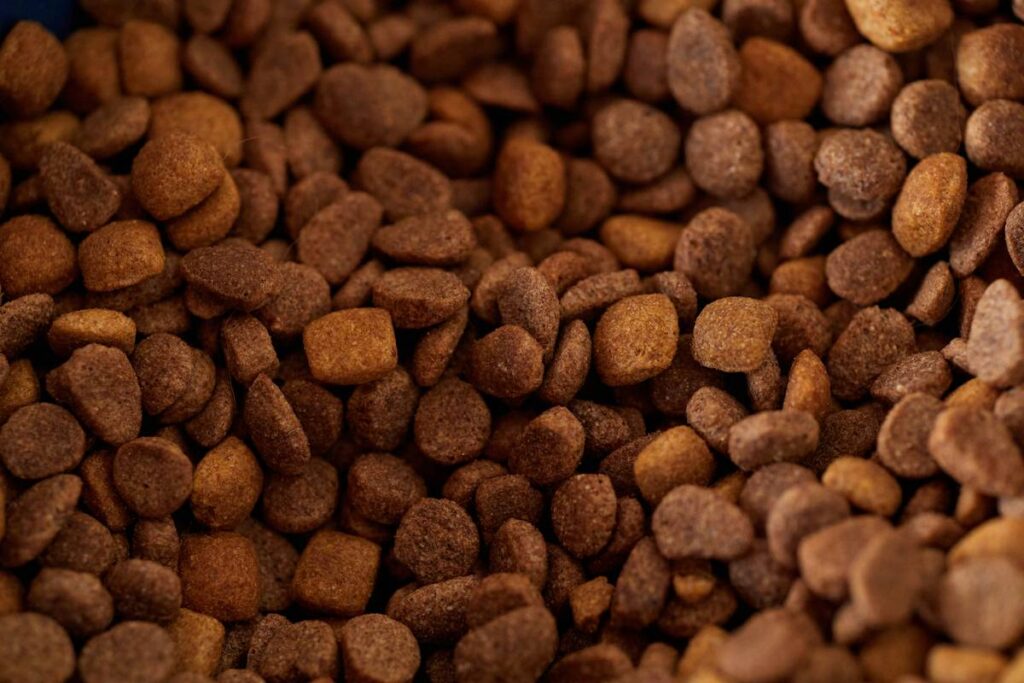
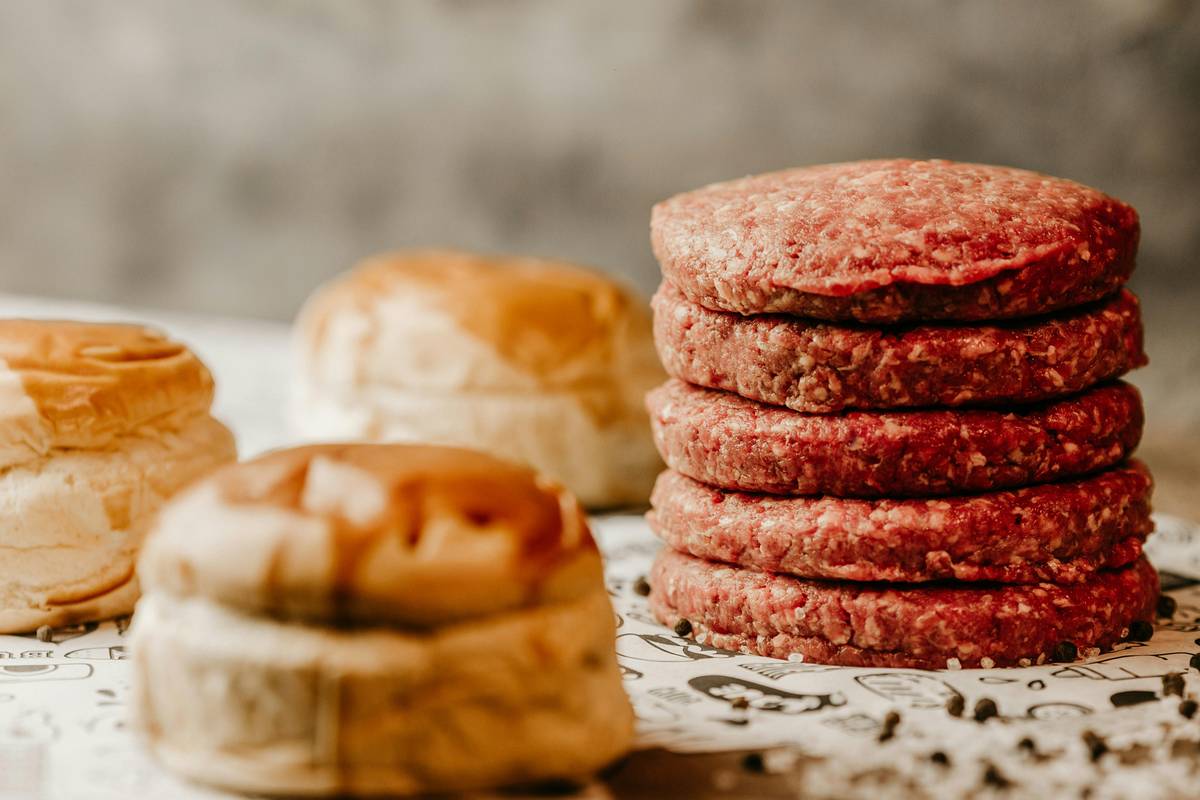
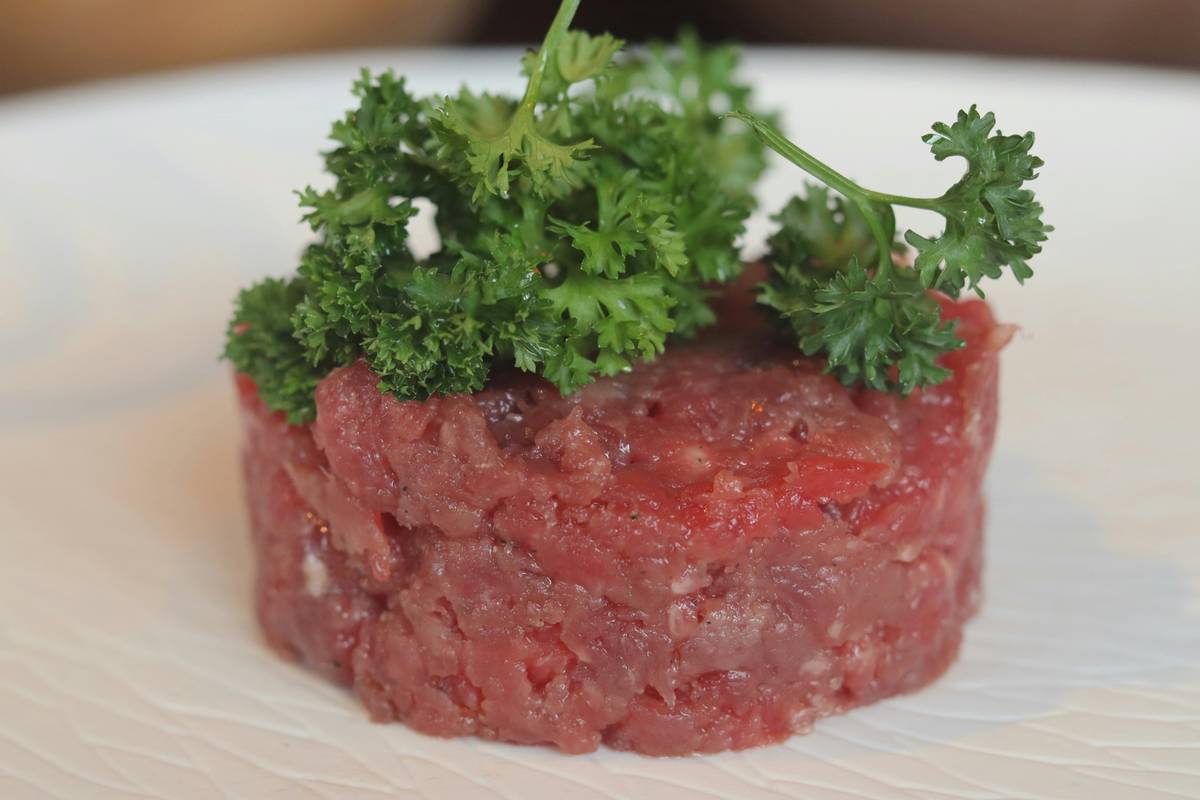
Let’s be real: most commercial kibble is cooked at ultra-high temps, stripping nutrients and loading carbs your carnivore never evolved to digest. Enter raw frozen patties—pre-portioned, flash-frozen meals mimicking what dogs and cats would eat in the wild: muscle meat, organs, bone, and sometimes veggies or supplements for balance.
As a certified canine nutrition consultant who’s reviewed over 60 raw brands (and accidentally left a patty out overnight—RIP my kitchen floor), I’ve seen firsthand how quality raw food transforms coat shine, energy levels, and even dental health. One client’s senior Lab went from limping to leaping after switching to a high-protein, low-starch raw patty.
According to Dr. Joseph Wakshlag, DVM, PhD, and professor at Cornell University College of Veterinary Medicine, “Commercially prepared raw diets that meet AAFCO nutrient profiles can be safe and beneficial—if handled properly.” The key? Not all frozen patties are created equal. Some skip essential taurine for cats; others under-dose calcium.
How to Choose & Safely Serve Raw Frozen Patties
What should I look for on the label?
Optimist You: “Check for whole-food ingredients and veterinary oversight!”
Grumpy You: “Ugh, fine—but only if I don’t have to decode hieroglyphics labeled ‘natural flavor.’”
Here’s your cheat sheet:
- Complete & Balanced Statement: Must say “formulated to meet AAFCO Dog/Cat Food Nutrient Profiles” or be validated by feeding trials.
- Ingredient Transparency: “Beef” is good. “Meat by-products” is not. Organs like liver and kidney should be listed separately.
- Human-Grade Sourcing: Facilities USDA-inspected for human consumption = lower pathogen risk.
- No Synthetic Fillers: Avoid carrageenan, excessive legumes, or mystery “grain-free” blends linked to DCM (FDA investigation, 2019).
How do I thaw and serve without risking salmonella?
Never thaw raw patties at room temperature—that’s bacteria party time. Instead:
- Move patty from freezer to fridge 12–24 hours before feeding.
- For quick thawing, seal in a zip bag and submerge in cold water (change every 30 mins).
- Discard uneaten portions after 20 minutes—no “second helpings” from the bowl.
- Sanitize bowls and surfaces with diluted bleach (1 tbsp per gallon of water) post-meal.
Rant Time: Why do some brands charge $10/patty but list “organic kale” as ingredient #3 while skimping on heart—a critical source of taurine for cats? Priorities, people!
Terrible Tip You Should Ignore
“Just mix raw patties straight from the freezer into kibble!” Nope. Cold, dense meat shocks sensitive stomachs. Always serve fully thawed—and never combine raw with high-carb dry food long-term. It messes with gastric pH and digestion timing.
5 Vet-Backed Best Practices for Raw Feeding Success
- Transition Slowly: Start with 25% raw + 75% current food for 3 days, then 50/50, then 75/25, then full raw over 7–10 days.
- Rotate Proteins: Feed at least 3 protein sources (e.g., chicken, beef, rabbit) monthly to prevent allergies and ensure micronutrient diversity.
- Supplement Wisely: Omega-3s (from fish oil, not flax) support skin and joints. But skip random “superfood” powders unless advised by a vet nutritionist.
- Monitor Stool Quality: Firm, small, fast-decomposing stools = ideal. Loose or chalky? Adjust bone content or probiotics.
- Freeze in Bulk Smartly: Keep patties sealed in original packaging inside a secondary freezer bag to prevent freezer burn and cross-contamination.
Real Pets, Real Results: Case Studies That Changed My Mind
Case 1: Luna, the Itchy Shih Tzu
Luna scratched relentlessly on chicken-based kibble. After switching to a novel-protein raw frozen patty (duck + green tripe), her skin cleared in 6 weeks. Her owner saved $200/month on allergy meds.
Case 2: Milo, the Obese Tabby
Milo weighed 18 lbs on “indoor formula” kibble loaded with peas. Switched to a high-meat, low-carb raw patty with added L-carnitine. Lost 5 lbs in 4 months—without hunger tantrums.
These aren’t miracles—they’re biology. As Dr. Karen Becker, proactive wellness vet, puts it: “Food is information. Raw frozen patties deliver the right signals for optimal gene expression.”
FAQs About Raw Frozen Patties
Are raw frozen patties safe for puppies and kittens?
Yes—if they’re labeled for “all life stages” or “growth.” Puppies/kittens need higher calcium, phosphorus, and fat. Never feed adult-formula patties to young animals.
Can I refreeze a thawed raw patty?
No. Once thawed, use within 24 hours (stored in fridge) or discard. Refreezing increases bacterial load and degrades texture.
Do raw patties need added vitamins?
Reputable brands already include species-specific vitamins (like vitamin E for fat stability or B-complex from organ meats). Check the guaranteed analysis—deficiencies show up as poor coat or lethargy.
How much should I feed?
General rule: 2–3% of ideal body weight daily. A 50-lb dog = 1–1.5 lbs/day, split into two meals. Adjust based on activity, age, and metabolism.
Conclusion
Raw frozen patties aren’t just a trend—they’re a return to biologically appropriate nutrition that millions of pets thrive on. But success hinges on choosing wisely, handling safely, and listening to your pet’s cues. Skip the guesswork: prioritize brands with veterinary input, transparent sourcing, and complete AAFCO compliance.
Your pet’s bowl is their medicine cabinet. Make every bite count.
Like a Tamagotchi, your pet’s health needs daily care—but way cuter and less beep-y.
Meat, bone, organ blend
Frozen love thaws into health
Tail wags speak volumes