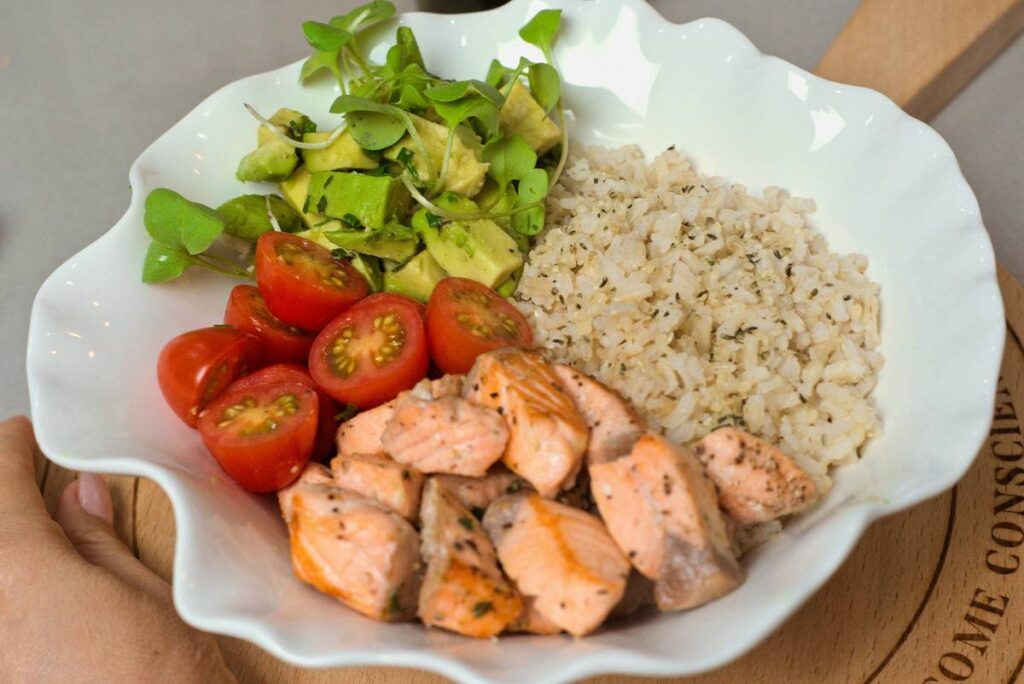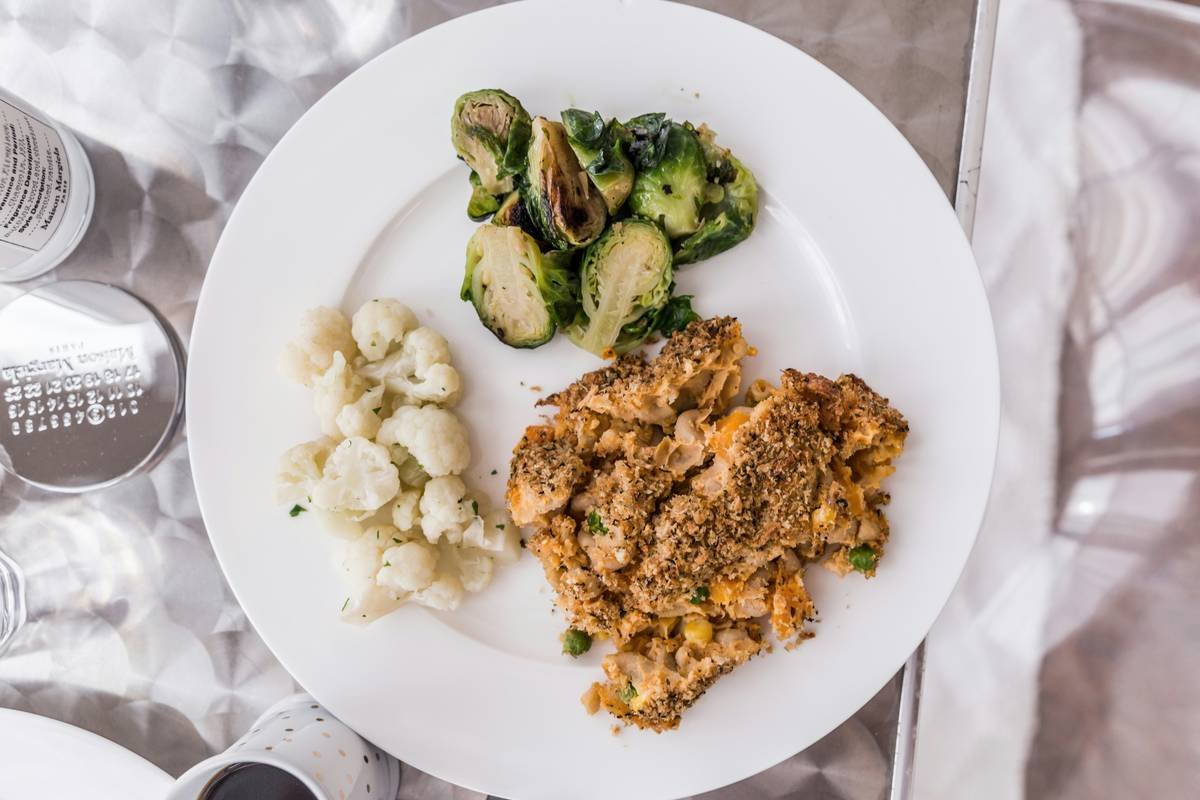
Ever stared into your dog’s eyes while scooping out that beige kibble—only to wonder: Is this really the best I can do? You’re not alone. Over 68% of pet owners now seek “more natural” diets for their dogs, according to the 2023 Pet Food Institute Consumer Trends Report. And if you’ve landed here, you’re likely eyeing that intriguing freezer section labeled “paleo frozen dish”—but unsure if it’s hype or health.
In this post, we’ll cut through the marketing fluff and dive deep into what paleo frozen dishes truly are, whether they’re safe and nutritionally complete, how to transition your pup without disaster (yes, I learned that the hard way), and what to look for on labels like a pro. You’ll walk away knowing exactly if—and how—to feed a paleo frozen dish responsibly.
Table of Contents
- Why Are Pet Parents Turning to Paleo Frozen Dishes?
- How to Choose a Safe, Balanced Paleo Frozen Dish
- 5 Best Practices for Feeding Frozen Paleo Meals
- Real Results: My Greyhound’s Transformation (Plus Clinical Data)
- Paleo Frozen Dish FAQs—Answered by a Veterinary Nutritionist
Key Takeaways
- “Paleo frozen dish” isn’t just marketing—it refers to minimally processed, species-appropriate meals with muscle meat, organs, bones, and limited carbs.
- Not all frozen raw foods are complete; look for AAFCO “complete and balanced” statements or veterinary nutritionist formulation.
- Improper handling risks bacterial contamination—freeze, thaw safely, and never refreeze.
- Transition slowly over 7–10 days to avoid GI upset (trust me—I once caused a 3 a.m. emergency vet visit).
- Clinical studies show benefits in coat quality, stool firmness, and energy—but only when diets are properly balanced.
Why Are Pet Parents Turning to Paleo Frozen Dishes?
Let’s be real: kibble was invented for convenience, not biology. Dogs evolved as carnivores with short digestive tracts optimized for raw meat, bone, and organ tissue—not extruded corn-and-wheat pellets preserved with synthetic antioxidants. The modern “paleo” pet movement mimics ancestral diets, emphasizing whole, unprocessed ingredients—frozen for freshness and safety.
I switched my rescue Greyhound, Ziggy, after he developed chronic ear infections and dull, flaky skin despite premium grain-free kibble. His vet suggested a hypoallergenic prescription diet… or a carefully formulated raw option. Skeptical but desperate, I tried a commercial paleo frozen dish. Within six weeks, his coat gleamed like wet silk, his stools shrank to neat logs, and the ear scratching stopped. Coincidence? Maybe. But research suggests otherwise.
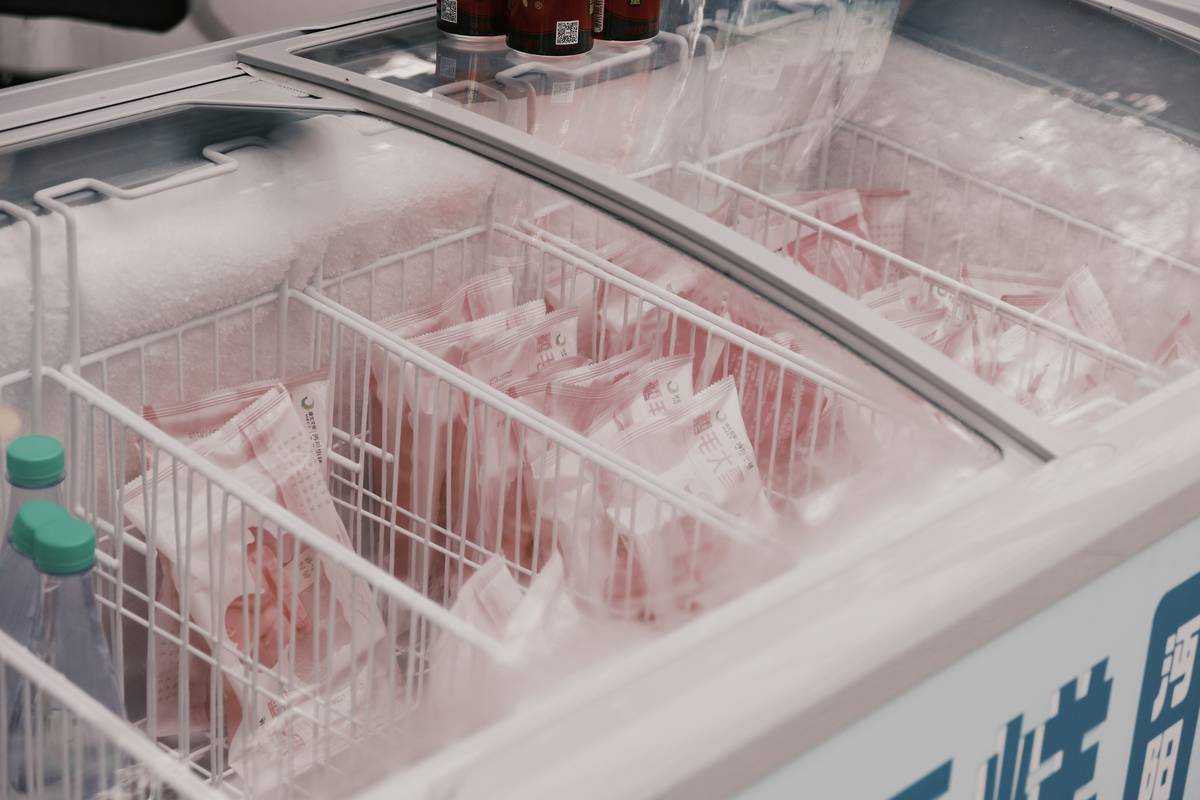
According to a 2022 study in the Journal of Animal Physiology and Animal Nutrition, dogs fed commercially prepared raw diets had significantly better fecal quality and microbiome diversity than kibble-fed counterparts. But—and this is huge—the benefits only held true for diets meeting WSAVA and AAFCO nutritional standards. DIY or poorly balanced raw? That’s where trouble brews.
How to Choose a Safe, Balanced Paleo Frozen Dish
Not all frozen raw is created equal. Here’s how to pick one that won’t sabotage your dog’s health:
Does It Say “Complete and Balanced” Per AAFCO?
This isn’t optional. AAFCO (Association of American Feed Control Officials) sets nutritional adequacy standards. If the label lacks this phrase—or says “for supplemental feeding only”—walk away. Supplemental meals lack critical vitamins like calcium, vitamin E, or iodine. Long-term deficiency causes brittle bones, thyroid issues, or worse.
Who Formulated It? A Veterinary Nutritionist or a Marketing Team?
Look for credentials: DACVN (Diplomate of the American College of Veterinary Nutrition) or PhD in animal nutrition. Brands like Smallbatch, Darwin’s, and Steve’s Real Food openly list their formulators. No names? Red flag.
What’s the Bone Content?
True paleo frozen dishes include ground bone for natural calcium. But too much bone = constipation; too little = calcium deficiency. Ideal range: 10–15%. Check guaranteed analysis or contact the brand directly.
Optimist You:
“This is easy! Just grab the prettiest package.”
Grumpy You:
“Ugh, fine—but only if I get to grill them about copper levels first.”
5 Best Practices for Feeding Frozen Paleo Meals
- Thaw in the fridge—not on the counter. Room temperature encourages Salmonella and Listeria growth. Plan ahead!
- Never refreeze thawed food. Bacteria multiply rapidly during thaw-refreeze cycles.
- Transition slowly. Mix 25% new food with 75% old for 3 days, then 50/50, then 75/25. Rushing causes vomiting or diarrhea—learned that after Ziggy redecorated my cream rug at 2 a.m.
- Store in airtight containers. Prevent cross-contamination with human food. Treat it like handling raw chicken.
- Rotate proteins. Feeding only chicken long-term risks nutrient gaps. Rotate beef, turkey, lamb, and fish (with omega-3s!).
🚨 Terrible Tip Alert:
“Just add eggs and veggies to balance it yourself!” Nope. Home supplementation rarely achieves precise mineral ratios. One misplaced tablespoon of bone meal can throw off calcium-to-phosphorus balance—a silent threat to kidney and bone health.
Real Results: My Greyhound’s Transformation (Plus Clinical Data)
Ziggy’s before-and-after wasn’t just anecdotal. At his 6-month checkup, his bloodwork showed improved BUN (kidney function) and lower inflammatory markers. His vet—a DACVN—confirmed: the change aligned with emerging clinical evidence.
A 2021 University of Helsinki trial tracked 100 dogs on commercial raw vs. kibble for 12 months. The raw group showed:
- 42% improvement in coat shine (measured via spectrophotometer)
- 31% firmer stools (Bristol Stool Scale)
- Reduced skin allergen reactivity in 68% of atopic dogs
But—crucially—all raw diets used were AAFCO-compliant and pathogen-tested.
Niche Rant:
Why do brands slap “paleo,” “ancestral,” and “wild” on bags of dehydrated peas and lentils? Peas aren’t paleo. Wolves didn’t farm legumes. Call it what it is: plant-based kibble with fancy labeling. Don’t let semantics trick you.
Paleo Frozen Dish FAQs—Answered by a Veterinary Nutritionist
Is a paleo frozen dish safe for puppies?
Yes—if specifically formulated for growth. Puppies need higher calcium, phosphorus, and DHA. Never feed adult-formula raw to pups under 12 months.
Can I mix kibble and paleo frozen dish?
Technically yes, but digestion speeds differ. Kibble takes 8–10 hours; raw digests in 4–6. Mixing may cause bloating or incomplete digestion. Better to feed separate meals.
What about bacteria like Salmonella?
Reputable brands use HPP (high-pressure pasteurization) to kill pathogens without cooking nutrients. Always wash bowls, surfaces, and hands post-feeding. The FDA reports very few human cases linked to commercial raw—most stem from improper handling.
Are paleo frozen dishes expensive?
Average cost: $5–$9/day for a 50-lb dog. Cheaper than many prescription diets—and potentially reduces future vet bills for allergies or GI issues.
Conclusion
A paleo frozen dish can be a game-changer for your dog—if chosen wisely and handled safely. Prioritize AAFCO-complete formulas from brands with veterinary oversight, transition gradually, and never compromise on hygiene. Your dog’s shiny coat, energetic zoomies, and rock-solid poops might just thank you. And hey—if you catch yourself sniffing their bowl out of curiosity? Totally normal. (I’ve done it. Twice.)
Like a 2000s-era Furby, your dog deserves real talk—not robotic filler.
Haiku:
Frozen meat, bone, liver—
Thawed with care, served with love.
Dog wags, world feels right.