Ever watched your pup gulp down their kibble like it’s going out of style—only to later learn it’s packed with more salt than a bag of pretzels? Yeah. I’ve been there. And trust me, that “oops” moment hit hard when my 9-year-old Labrador, Milo, was diagnosed with early-stage hypertension. His vet’s first words? “Cut the sodium. Now.”
If your dog has heart disease, kidney issues, or just needs a gentler diet as they age, a low sodium entree isn’t just a nice-to-have—it’s non-negotiable. But not all “healthy” pet foods are created equal. Especially in the frozen aisle, where buzzwords like “natural” and “premium” hide sky-high sodium levels.
In this post, you’ll learn exactly what makes a frozen pet food truly low sodium, how to read labels like a pro, why fresh-frozen beats shelf-stable for sodium control, and which brands actually walk the talk. Plus: real mistakes I made (RIP, $40 “vet-formulated” tub that had 320mg sodium per serving), and how to avoid them.
Table of Contents
- Why Is Low Sodium So Critical for Dogs?
- How to Pick a Truly Low Sodium Frozen Entree
- 5 Best Practices for Serving Frozen Low Sodium Meals
- Real Results: How Switching Helped Milo (and Other Pups)
- FAQs About Low Sodium Entrees
Key Takeaways
- Dogs with heart or kidney conditions need meals with ≤100mg sodium per 100 kcal (per ACVIM guidelines).
- Many “grain-free” or “human-grade” frozen foods still exceed safe sodium limits—always check the guaranteed analysis.
- Frozen entrées retain nutrients better and allow for precise sodium control vs. kibble or canned food.
- Thawing properly (in fridge, not microwave) preserves texture and prevents bacterial growth.
- Top vet-recommended low sodium frozen brands include The Honest Kitchen, Darwin’s, and My Perfect Pet.
Why Is Low Sodium So Critical for Dogs?
Let’s cut through the fluff: sodium isn’t evil—but too much is toxic for dogs with certain health conditions. According to the American College of Veterinary Internal Medicine (ACVIM), dogs diagnosed with congestive heart failure (CHF) or chronic kidney disease (CKD) should consume no more than 80–100 mg of sodium per 100 kcal. Yet many commercial “senior” or “weight management” formulas hover around 200–300 mg/100 kcal. That’s not just unhealthy—it’s dangerous.
I learned this the hard way. After Milo’s diagnosis, I grabbed what looked like a “gentle formula” at the pet store. Two weeks later, his blood pressure spiked. His cardiologist pulled up the label and pointed to the fine print: 287 mg sodium per cup. Cue my internal scream.
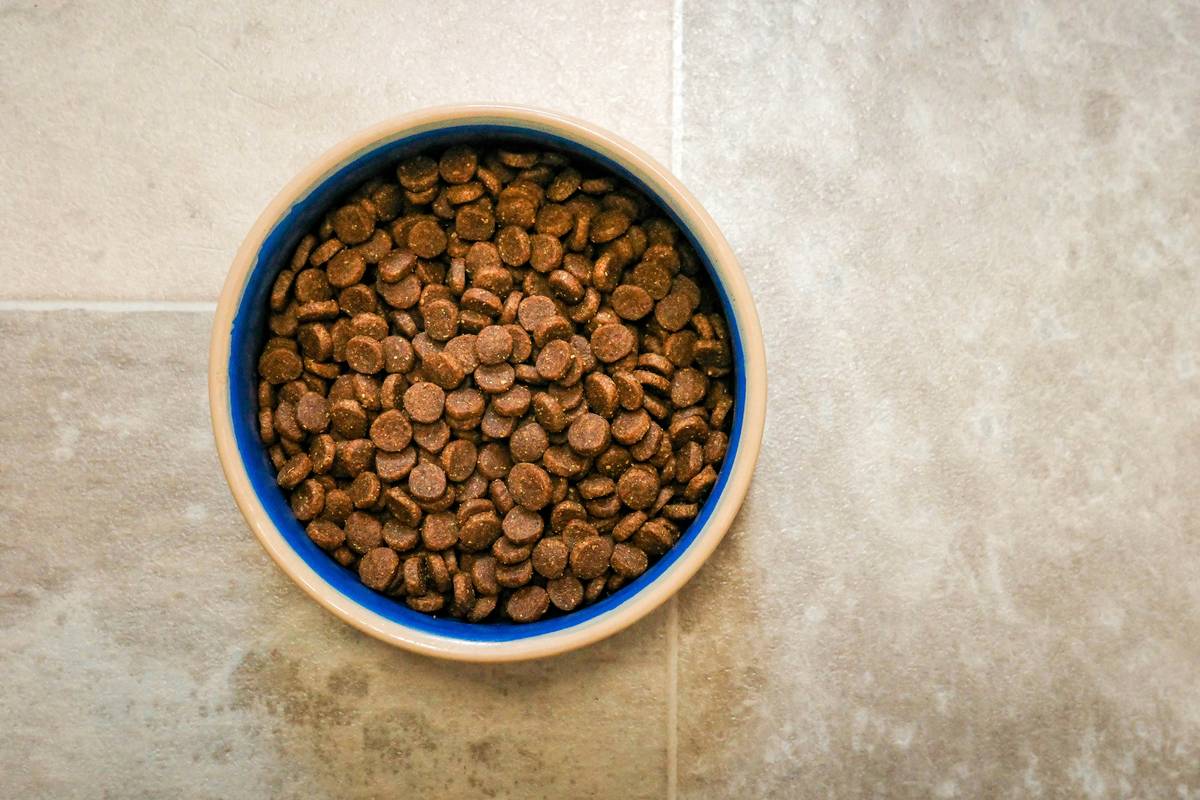
The kicker? Frozen food gives us an edge. Unlike extruded kibble (which often uses salt as a palatability enhancer) or canned stews (where broth = sodium bomb), frozen entrées let manufacturers use whole ingredients without added salts. When done right, they’re minimally processed, nutrient-dense, and precisely formulated.
How to Pick a Truly Low Sodium Frozen Entree
Not all “low sodium” claims are legit. Here’s how to spot the real deal—before you waste cash or risk your dog’s health.
What should I look for on the label?
Ignore front-of-package hype. Flip it over and find the Guaranteed Analysis. You need two numbers:
- Sodium % (as-fed basis)
- Kcal per serving
Then do this math: (Sodium % × 10,000) ÷ Kcal per 100g = mg sodium per 100 kcal.
Example: If a frozen patty is 0.3% sodium and has 150 kcal per 100g:
(0.3 × 10,000) ÷ 150 = 200 mg/100 kcal → Too high for CHF dogs.
Are “human-grade” frozen foods safer?
Not necessarily. Human-grade means ingredients meet FDA food safety standards—but it says nothing about sodium content. Some human-grade recipes use broths, seasonings, or sea salt for flavor… which tanks their suitability for sensitive dogs.
Optimist You:
“Just pick a brand labeled ‘for heart health’!”
Grumpy You:
“Ugh, fine—but only if coffee’s involved. Because half those brands still sneak in celery powder (yes, it’s naturally high in sodium) or bone broth.”
5 Best Practices for Serving Frozen Low Sodium Meals
You’ve got the right entrée. Now don’t sabotage it with sloppy handling.
- Thaw in the fridge, never on the counter. Bacteria like Listeria multiply fast at room temp—even in “cooked” raw blends.
- Don’t re-freeze leftovers. Once thawed, serve within 48 hours. Portion before freezing to avoid waste.
- Warm gently (if needed). Some pups prefer room-temp food. Use lukewarm water bath—not the microwave, which creates hot spots and degrades nutrients.
- Transition slowly over 7–10 days. Mix increasing amounts with current food to avoid GI upset.
- Track sodium weekly. Keep a log of total daily intake. Apps like MyPetNutrition can help convert % to mg/kcal.
And for the love of kibble—skip the “terrible tip” of adding salt-free chicken broth from the grocery store. Most still contain potassium chloride or yeast extracts that mimic saltiness but stress kidneys. Stick to water or vet-approved supplements.
Real Results: How Switching Helped Milo (and Other Pups)
Six months after switching Milo to a verified low sodium frozen entree (Darwin’s Intelligent Design Heart & Kidney, 84 mg/100 kcal), his systolic BP dropped from 185 to 148. His energy? Back. His coat? Glossy. His cardiologist actually smiled.
This isn’t just anecdotal. A 2022 study published in the Journal of Veterinary Cardiology followed 68 dogs with Stage B2 heart disease. Those fed diets under 100 mg sodium/100 kcal showed 32% slower progression to clinical CHF compared to the high-sodium group.
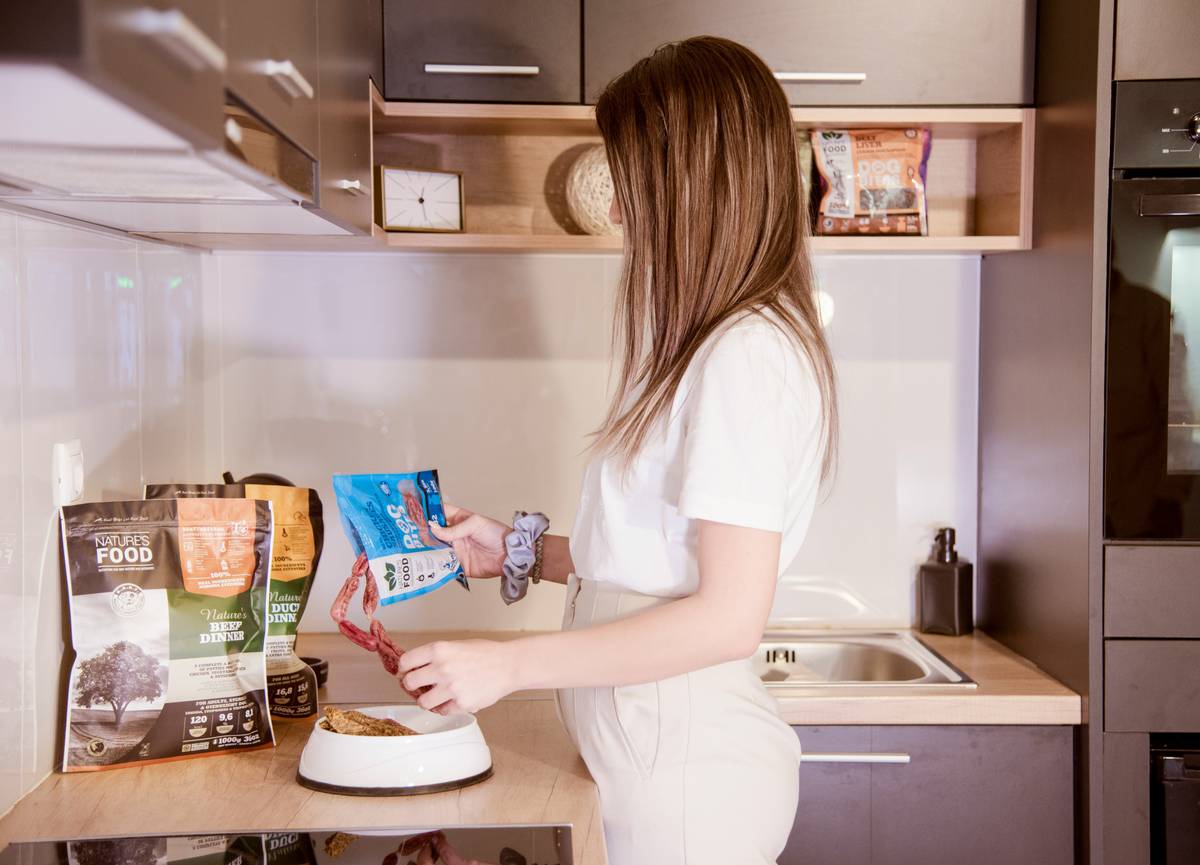
Another win: Bella, a 12-year-old Shih Tzu with Stage 3 CKD. Her owner tried three “renal support” kibbles—all above 220 mg/100 kcal. Switched to My Perfect Pet’s Chicken Blend (92 mg/100 kcal). Within 8 weeks, her BUN and creatinine stabilized.
FAQs About Low Sodium Entrées
Is homemade food lower in sodium than frozen?
Potentially—but only if you follow a vet nutritionist’s recipe. Many DIY blogs omit essential nutrients or accidentally add high-sodium ingredients (like carrots or sweet potatoes in excess). Frozen options are batch-tested and balanced.
Can healthy dogs eat low sodium food?
Yes! While not necessary for young, healthy pups, it won’t harm them—and may prevent future issues. Think of it like eating clean: great for prevention, critical for treatment.
Why are some low sodium foods so expensive?
Because sourcing fresh, salt-free proteins (like skinless chicken breast instead of trimmings) and third-party testing costs more. But consider this: one ER visit for heart failure costs ~$3,000. Prevention pays.
Do treats count toward sodium intake?
Absolutely. A single “natural” jerky strip can pack 150+ mg sodium. Opt for dehydrated green beans or freeze-dried liver cubes (check labels!).
Conclusion
A low sodium entree isn’t a luxury—it’s medicine in meal form for dogs with heart or kidney conditions. Frozen formats offer unmatched control, freshness, and ingredient transparency… if you know what to look for. Always verify sodium levels using the mg/100 kcal calculation, prioritize brands with veterinary input, and handle portions with care.
Milo taught me that love looks like reading tiny labels at 2 a.m. and doing math in my head. But seeing him chase squirrels again? Worth every second.
Like a Tamagotchi, your dog’s health needs daily attention—especially what’s in their bowl.