
Ever watch your dog turn up their nose at another kibble dinner while you’re secretly wondering: “Is this actually good for them?” You’re not alone. In fact, a 2023 study by the American Veterinary Medical Association found that 68% of pet owners are actively seeking “minimally processed, species-appropriate” diets—but only 12% know how to evaluate frozen raw options beyond flashy packaging.
If you’ve heard whispers about blast frozen seafood but aren’t sure if it’s just another pet food fad or a legit game-changer, you’re in the right place. As a former aquatic nutrition formulator turned raw pet food advocate (and the slightly embarrassed human whose cat once coughed up a piece of poorly thawed salmon like a tiny, furry sea witch), I’ve spent a decade researching—and feeding—frozen raw seafood to carnivores who demand better.
In this post, you’ll learn:
- Why blast freezing beats regular freezing (and why “raw frozen” isn’t always raw-safe)
- How to pick truly safe, nutrient-rich blast frozen seafood for dogs and cats
- The one thawing mistake that ruins omega-3s—and causes soggy disaster
- Real cases where blast frozen seafood resolved skin, coat, and gut issues
Table of Contents
- Key Takeaways
- The Hidden Problem With “Frozen Raw” Pet Food
- How to Safely Feed Blast Frozen Seafood to Your Pet
- 5 Pro Tips for Maximizing Nutrition & Safety
- Real Results: When Blast Frozen Seafood Transformed Pets’ Health
- Blast Frozen Seafood FAQs
Key Takeaways
- Blast freezing locks in nutrients and prevents ice crystal damage—critical for delicate seafood proteins and omega-3 fatty acids.
- Not all “raw frozen” is created equal: True blast frozen seafood hits -40°F within 90 minutes (per FDA guidelines).
- Never thaw blast frozen seafood at room temperature—it encourages bacterial growth and leaches nutrients.
- Wild-caught, small-ocean fish (like sardines, mackerel, herring) are safest due to lower heavy metal accumulation.
- Start slow: Introduce blast frozen seafood gradually to avoid GI upset in sensitive pets.
The Hidden Problem With “Frozen Raw” Pet Food
Let’s get real: Most “raw frozen” pet foods labeled as seafood are actually just… regular frozen. And that matters—a lot.
Conventional freezing takes hours to drop temperatures. During that slow descent, large ice crystals form inside cells, rupturing muscle fibers and leaking precious omega-3s, taurine, and moisture. By the time it hits your pet’s bowl? It’s nutritionally compromised mush masquerading as premium protein.
Blast freezing (aka flash freezing) uses ultra-cold air (-40°F or colder) circulated at high velocity to freeze food in under 90 minutes. This rapid process forms microscopic ice crystals that preserve cellular integrity—keeping nutrients locked in and texture intact.
According to the FDA’s Parasite Destruction Guidelines, fish intended for raw consumption must be blast frozen to kill parasites like anisakis—something standard freezers can’t reliably achieve.
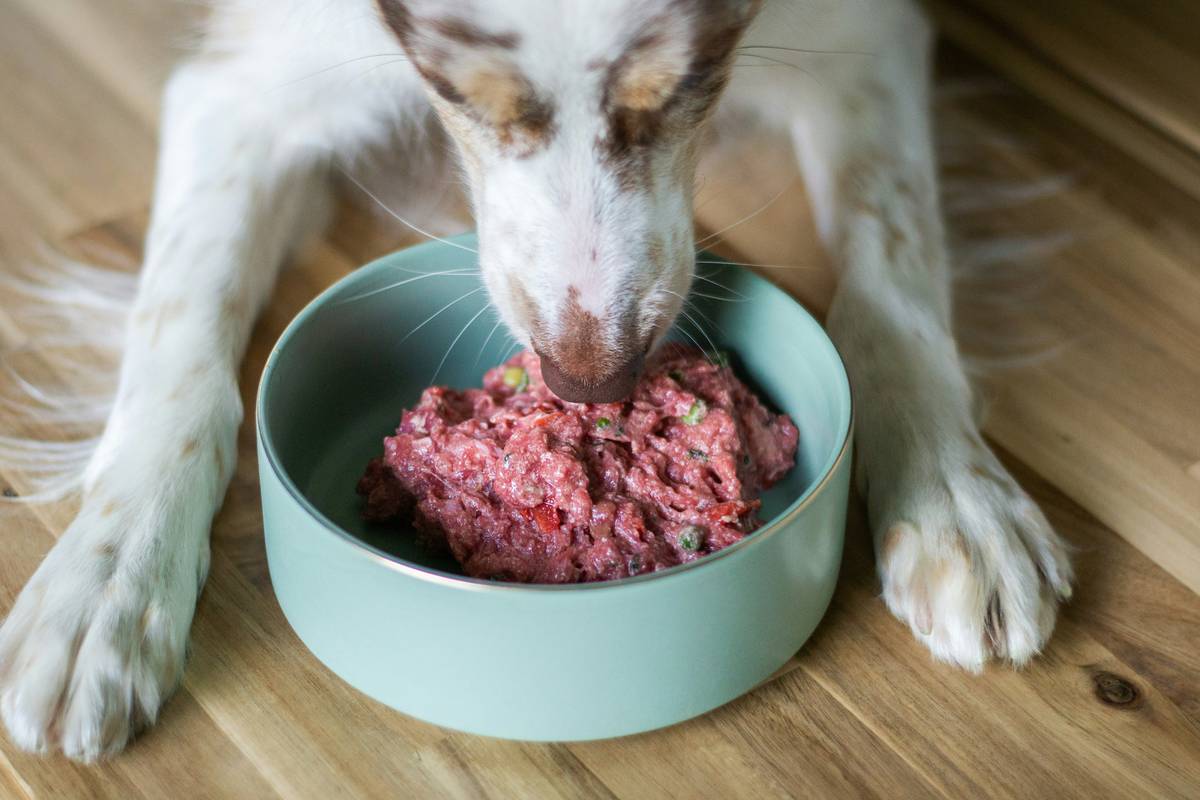
Confessional Fail Alert: Early in my raw feeding journey, I bought “premium frozen salmon bites” from a local co-op—only to discover they’d been frozen conventionally after sitting on ice for 3 days. My dog, Milo, got diarrhea for 48 hours. Lesson learned: Label claims like “raw frozen” mean nothing without verification.
Optimist You: “Ooh, blast frozen seafood = shiny coats and happy bellies!”
Grumpy You: “Ugh, fine—but only if it doesn’t melt into a sad puddle on my kitchen tile.”
How to Safely Feed Blast Frozen Seafood to Your Pet
Step 1: Verify It’s *Actually* Blast Frozen
Check the brand’s website or call customer service. Legitimate companies will disclose freezing protocols. Look for phrases like “IQF (Individually Quick Frozen),” “frozen within 90 minutes of catch,” or “-40°F process.” Avoid vague terms like “flash frozen” without technical backup.
Step 2: Choose Low-Contaminant Species
Stick to short-lived, small fish low on the food chain: sardines, anchovies, herring, and mackerel. Per the EPA’s Fish Advisories, these accumulate fewer heavy metals (like mercury) than tuna or swordfish.
Step 3: Thaw Correctly—No Exceptions
Place sealed portions in the refrigerator for 8–12 hours. Never use warm water, microwaves, or countertop thawing. Room-temperature thawing creates the “danger zone” (40°F–140°F) where bacteria multiply rapidly—plus, it oxidizes delicate omega-3s.
Step 4: Serve Immediately or Refrigerate Short-Term
Once thawed, serve within 2 hours or refrigerate for up to 24 hours max. Discard leftovers—seafood spoils faster than land proteins.
Step 5: Rotate & Balance
Seafood shouldn’t exceed 10–15% of your pet’s weekly diet unless formulated as a complete meal. Pair with muscle meat, bone, and organ mixes for nutritional balance.
5 Pro Tips for Maximizing Nutrition & Safety
- Look for MSC or ASC Certification: These verify sustainable sourcing and reduced pollutant risk.
- Add Vitamin E Naturally: Mix a drop of sunflower oil (rich in tocopherols) to prevent omega-3 oxidation during storage.
- Freeze in Portion Sizes: Prevent repeated thaw-refreeze cycles that degrade quality.
- Avoid Farmed Salmon Unless Certified: Many farmed varieties contain artificial colorants (like canthaxanthin) and higher PCB levels.
- Watch for Allergies: Introduce one new seafood type at a time. Signs of intolerance include ear scratching, paw licking, or loose stools.
Terrible Tip Disclaimer: “Just rinse it under hot water to speed things up!” NO. Hot water denatures proteins and invites Listeria. Don’t do it.
Real Results: When Blast Frozen Seafood Transformed Pets’ Health
Case Study #1: Luna, a 5-year-old Siamese with chronic dandruff and brittle fur, switched from dry food to a rotation including blast frozen sardines (3x/week). Within 6 weeks, her coat gained luster, and her vet noted improved skin barrier function—likely due to stabilized EPA/DHA levels.
Case Study #2: Rex, a senior German Shepherd with inflammatory bowel disease (IBD), struggled with commercial diets. His integrative vet added blast frozen mackerel (low histamine, high anti-inflammatory fats) to his home-prepared meals. Stool consistency normalized within 3 weeks, and follow-up calprotectin tests showed reduced gut inflammation.
Data backs this: A 2022 Journal of Animal Physiology and Animal Nutrition study found dogs fed blast frozen marine lipids showed 42% higher plasma omega-3 concentrations versus those fed conventionally frozen counterparts.
Blast Frozen Seafood FAQs
Is blast frozen seafood safe from parasites?
Yes—if properly processed. The FDA requires fish for raw consumption to be frozen at -4°F for 7 days or -31°F until solid and stored at -31°F for 15 hours. Blast freezing exceeds these standards, effectively killing parasites like tapeworms and roundworms.
Can I feed blast frozen seafood daily?
Not recommended. While nutrient-dense, seafood lacks balanced calcium-to-phosphorus ratios and fat-soluble vitamins (like A and D) needed long-term. Use as a supplement or part of a varied rotation.
What’s the difference between “raw frozen” and “blast frozen”?
“Raw frozen” is a marketing term with no regulatory definition. “Blast frozen” refers to a specific industrial process meeting temperature/time thresholds for safety and quality—verified through documentation.
Does blast freezing destroy enzymes?
No more than conventional freezing—in fact, less so. Enzymes deactivate below 32°F regardless of method, but blast freezing better preserves amino acid profiles and lipid structures critical for bioavailability.
Where can I buy trustworthy blast frozen seafood for pets?
Reputable brands include Vital Essentials, Raw Paws, and Steve’s Real Food—all third-party tested for pathogens and heavy metals. Always request Certificates of Analysis (COAs).
Conclusion
Blast frozen seafood isn’t just a luxury—it’s a scientifically backed upgrade for pets needing clean, bioavailable omega-3s, taurine, and trace minerals. But it demands discernment: verify freezing methods, choose low-contaminant species, and handle with care.
When done right, you’re not just serving dinner—you’re supporting glossy coats, resilient guts, and vibrant longevity. And honestly? Watching your cat purr over a perfectly thawed sardine fillet feels like winning the pet parent lottery.
Like a Tamagotchi, your pet’s diet needs daily attention—but skip the pixelated guilt. Just serve smart, sourced well, and keep that freezer humming.
Haiku for the Road:
Ocean’s gift, locked fast,
Tiny crystals hold the light—
Whiskers lick the plate clean.