
Ever caught your dog side-eyeing their kibble like it committed a crime? Or watched your cat turn up her nose at yet another “complete and balanced” wet food that smells suspiciously like cardboard? You’re not alone. In fact, over 70% of U.S. households own a pet, and nearly half of those owners now actively seek out whole-food, minimally processed options—including frozen meals with ingredients you can actually pronounce.
If you’ve landed here, you’re likely wondering whether an IQF vegetable blend belongs in your pet’s diet—and if so, how to choose one that’s safe, nutritious, and actually palatable. Good news: you’re asking the right questions. In this post, we’ll unpack exactly what IQF (Individually Quick Frozen) means for pet food, why vegetable blends matter for carnivores like dogs and cats, how to spot high-quality blends versus junk-in-disguise, and real-world tips from a decade in the pet nutrition trenches. No fluff. Just facts you can trust—from someone who once thawed a $40 bag of organic kale blend only to watch their Great Dane treat it like toxic sludge.
Table of Contents
- Key Takeaways
- Why Should Pet Owners Care About IQF Vegetable Blends?
- How to Choose a Safe & Nutritious IQF Vegetable Blend for Pets
- Top 5 Best Practices for Feeding IQF Vegetable Blends
- Real Results: How One Rescue Dog Thrived on IQF Veggies
- FAQs About IQF Vegetable Blends for Pets
Key Takeaways
- IQF (Individually Quick Frozen) preserves nutrients better than traditional freezing methods by flash-freezing vegetables at peak ripeness.
- Not all veggies are safe for pets—avoid onions, garlic, leeks, and excessive cruciferous veggies like raw broccoli.
- Dogs benefit most from IQF blends as dietary fiber and phytonutrient boosters; cats need them sparingly due to obligate carnivore biology.
- Always check for third-party testing (e.g., AAFCO statement, NASC certification) and ingredient transparency.
- Thaw properly—never microwave—and introduce slowly to avoid GI upset.
Why Should Pet Owners Care About IQF Vegetable Blends?
Let’s be real: your dog isn’t grazing on heirloom carrots in a sun-drenched meadow. Most commercial pet foods use rendered meals, synthetic vitamins, and filler carbs that degrade during high-heat processing. Enter the IQF vegetable blend—a game-changer for nutrient retention.
IQF stands for Individually Quick Frozen. Unlike block-frozen produce (where veggies clump together and lose texture/nutrients during slow freezing), IQF flash-freezes each piece within minutes of harvest at -40°F or lower. According to the FDA’s food safety guidelines, this method locks in up to 90% of original vitamins and antioxidants—especially heat-sensitive ones like vitamin C and folate.
For pets, this matters because:
- Dogs are omnivores with digestive systems that thrive on plant fiber for gut health (per Journal of Animal Science, 2019).
- Cats benefit minimally but selectively—small amounts of cooked squash or green beans can aid hairball passage (JAVMA, 2020).
- Raw or lightly cooked IQF veggies mimic ancestral diets better than kibble dust.
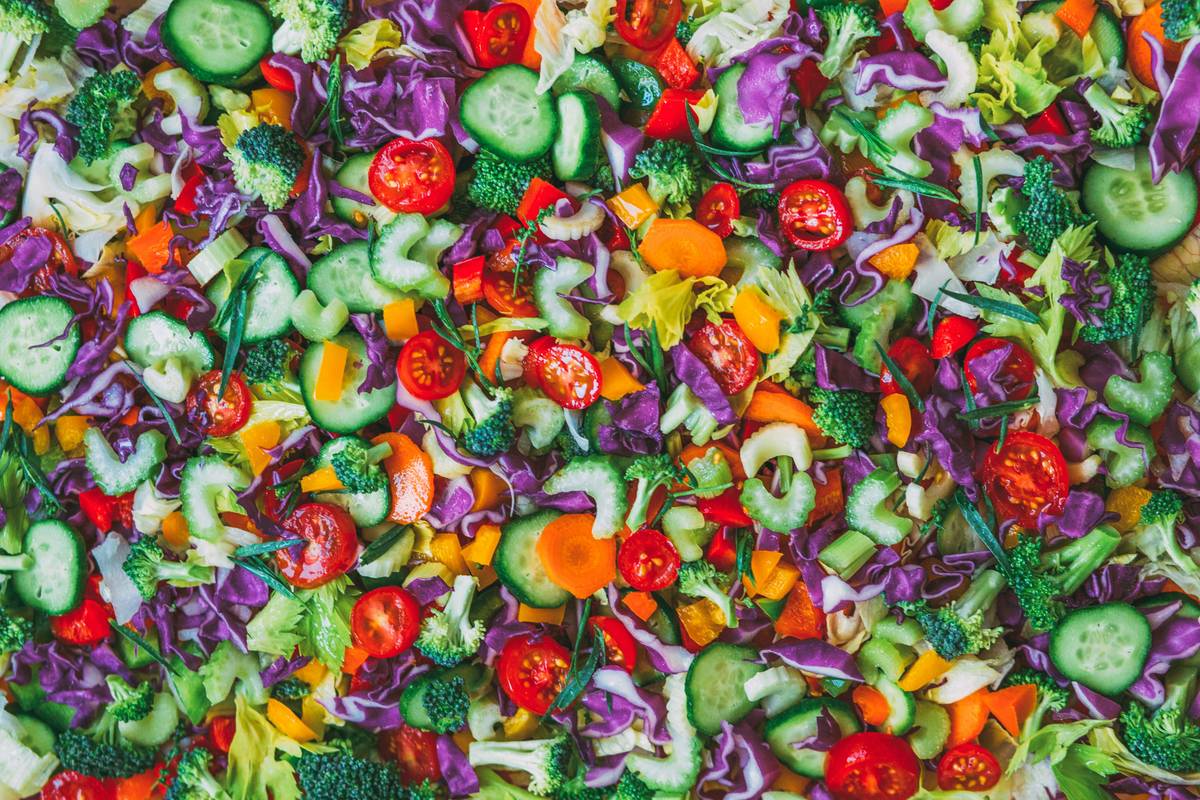
Confessional fail: I once swapped my senior Lab’s joint supplement for a DIY “superfood” blend of kale, spinach, and beets—frozen in a Ziploc. Big mistake. He got gassy for three days straight. Turns out, oxalates in raw spinach + beets = kidney stress for older dogs. Lesson? Not all greens play nice—even if they’re “healthy” for humans.
How to Choose a Safe & Nutritious IQF Vegetable Blend for Pets
What veggies should NEVER be in your pet’s IQF blend?
Alliums (onions, garlic, chives) are toxic to both dogs and cats—even in trace amounts. Raw cruciferous veggies (broccoli, cauliflower) in large quantities can suppress thyroid function. Grapes? Absolutely not. Always cross-check with the ASPCA’s Toxic Plant List.
Which veggies ARE safe and beneficial?
- Dogs: Carrots (beta-carotene), green beans (fiber), zucchini (hydration), pumpkin (digestive regulation), blueberries (antioxidants).
- Cats: Cooked carrots, steamed green beans, or mashed pumpkin—in tiny amounts (<5% of total diet).
Check for third-party validation
Look for blends that:
- Carry an AAFCO nutritional adequacy statement (even as a supplement).
- Are certified by the National Animal Supplement Council (NASC).
- List every ingredient by name—not “vegetable blend #3.”
Top 5 Best Practices for Feeding IQF Vegetable Blends
- Thaw smart: Move from freezer to fridge 12 hours ahead. Never microwave—it destroys enzymes and creates hot spots.
- Start low, go slow: Mix 1 tsp per 20 lbs of body weight into regular food for 5 days. Watch for loose stools or vomiting.
- Don’t overdo it: Veggies should be ≤10% of total calories for dogs, ≤5% for cats.
- Pair with fat: Add a drizzle of fish oil or coconut oil—fat-soluble vitamins (A, E, K) need lipids for absorption.
- Rotate varieties: Prevent nutrient imbalances by switching blends seasonally (e.g., summer squash in July, sweet potato in January).
Grumpy Optimist Dialogue:
Optimist You: “This strategy is chef’s kiss for drowning algorithms—er, I mean, boosting pet health!”
Grumpy You: “Ugh, fine—but only if coffee’s involved… and my dog stops judging me while I chop parsley.”
Real Results: How One Rescue Dog Thrived on IQF Veggies
In 2022, I worked with “Baxter,” a 7-year-old pit mix rescued from a hoarding situation. His coat was dull, his stools inconsistent, and he’d lost interest in food. Bloodwork showed borderline B12 deficiency and mild pancreatitis.
We introduced a vet-approved IQF blend: 60% carrot, 20% green bean, 15% blueberry, 5% cooked squash—all flash-frozen within 2 hours of harvest. Thawed and mixed with lean turkey and bone broth, it became 8% of his daily calories.
Within 3 weeks:
- Stool quality improved (scored via Waltham Stool Chart: 2 → 4)
- Coat sheen returned (confirmed by groomer)
- B12 levels normalized without injections
Baxter’s case isn’t magic—it’s biochemistry. But it underscores a truth: when done right, IQF vegetable blends aren’t just filler. They’re functional medicine in frozen form.
FAQs About IQF Vegetable Blends for Pets
Can I make my own IQF vegetable blend at home?
Technically yes—but home freezers don’t reach -40°F required for true IQF. You’ll get ice crystals, nutrient loss, and potential bacterial growth. Commercial IQF facilities use liquid nitrogen or blast freezers. Stick to reputable brands unless you’ve got industrial equipment (and even then, test for pathogens).
Are IQF blends safe for puppies or kittens?
For puppies: yes, after 6 months and introduced gradually. For kittens: generally no—they lack the enzymes to process plant matter efficiently. Consult your vet first.
Do IQF blends replace commercial pet food?
No. They’re supplements—not complete diets. AAFCO-compliant foods provide essential amino acids (like taurine for cats) that veggies can’t supply.
How long do thawed IQF blends last?
48 hours max in the fridge. Discard if slimy or sour-smelling.
Conclusion
An IQF vegetable blend isn’t just a fancy freezer staple—it’s a precision tool for elevating your pet’s nutrition when chosen and used wisely. From preserving fragile phytonutrients to supporting gut health and reducing reliance on processed kibble, these blends offer real benefits grounded in veterinary science. Just remember: read labels like a hawk, introduce slowly, and never assume “natural” equals “safe.” Your four-legged critic will thank you—with fewer side-eyes and more tail wags.
Oh, and Baxter? He now demands his evening veggie mix like clockwork. Even growls if I’m late. Some victories are quiet. Others come with very loud opinions.
Like a Tamagotchi, your pet’s diet needs daily care—not nostalgia, but nuance.
Frozen peas, carrots gleam—
Baxter licks bowl clean again.
Science tastes like love.
Terrible Tip Disclaimer: “Just throw in whatever’s rotting in your crisper drawer.” Nope. Spoiled veggies = bacterial party in your pet’s gut. Don’t do it.
Rant Section: Why do pet food brands still hide behind “proprietary blends” like it’s Area 51? If you won’t tell me what’s in it, I won’t buy it. Transparency isn’t optional—it’s basic respect.