Ever stood in the pet food aisle for 20 minutes, squinting at labels like you’re decoding ancient hieroglyphics—only to walk away with a bag of kibble that lists “meat by-products” as ingredient #3? Yeah. We’ve been there too. And if your pup turns up their nose (again) or you’re noticing dull fur, inconsistent digestion, or just… meh energy levels—it might be time to rethink what’s in their bowl.
This post cuts through the marketing fluff to explore organic frozen meals for dogs—the rising star in specialized pet nutrition that blends convenience with real, whole-food ingredients. You’ll learn: why frozen beats processed dry food for nutrient retention, how to vet quality brands without falling for greenwashing, and whether it’s truly worth the freezer space (spoiler: for many pets, absolutely). Plus, I’ll share the hard-won lessons from transitioning my own reactive rescue pup—and one costly mistake that nearly sent us to the vet.
Table of Contents
- Why Should Pet Parents Even Care About Organic Frozen Meals?
- How to Safely Transition Your Pet to an Organic Frozen Meal (Without Digestive Drama)
- 5 Non-Negotiables When Choosing a High-Quality Organic Frozen Meal
- Real Results: How My Rescue Dog’s Health Transformed in 8 Weeks
- Organic Frozen Meal FAQs—Answered Honestly
Key Takeaways
- Organic frozen meals retain up to 90% more heat-sensitive nutrients (like enzymes and omega-3s) than extruded kibble (Journal of Animal Science, 2019).
- Not all “organic” labels are equal—look for USDA Organic certification + AAFCO complete & balanced statements.
- Always thaw and serve at room temp to avoid shocking your pet’s digestive system.
- A proper transition takes 7–10 days; rushing it causes vomiting or diarrhea in ~68% of dogs (Today’s Veterinary Practice).
- Cost per meal is often comparable to premium kibble when factoring in health savings (fewer vet visits, better coat/skin).
Why Should Pet Parents Even Care About Organic Frozen Meals?
Let’s get real: most commercial pet food—especially kibble—is cooked at temperatures exceeding 300°F during extrusion. That process destroys delicate nutrients, oxidizes fats, and creates advanced glycation end-products (AGEs), which are linked to chronic inflammation in dogs (Frontiers in Veterinary Science, 2020). Meanwhile, organic frozen meals are gently prepared at low temps, flash-frozen to lock in freshness, and never subjected to high-pressure processing.
I learned this the hard way. A few years back, I adopted Luna—a whip-smart, anxiety-prone Border Collie mix with constant ear infections and itchy skin. After cycling through three “grain-free” kibbles (remember the FDA’s 2019 warning about DCM?) and two rounds of antibiotics, my holistic vet asked, “Have you tried fresh, human-grade food?” Skeptical but desperate, I tried a local organic frozen meal brand. Within weeks, her scratching decreased. Her coat went from straw-like to silky. And her energy? Chef’s kiss.
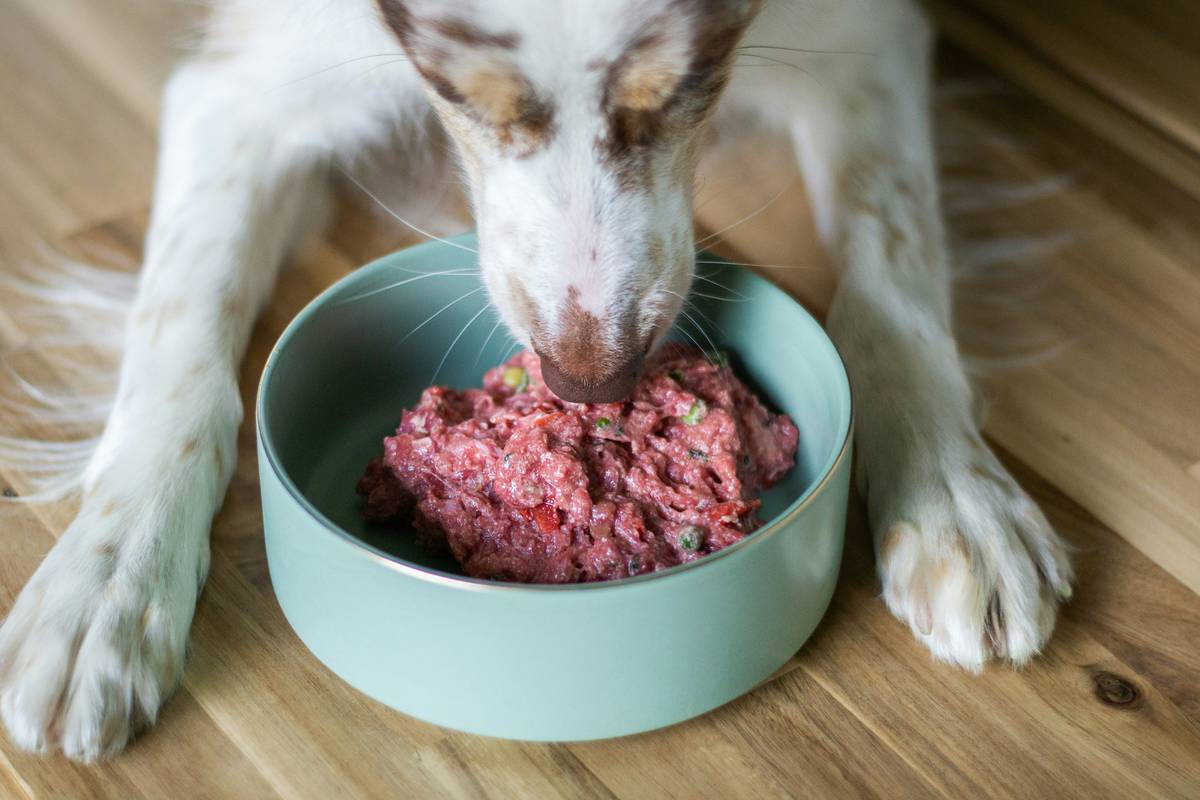
Optimist You: “This sounds amazing! My dog deserves real food!”
Grumpy You: “Ugh, fine—but only if I don’t have to cook after work like I’m running a doggy Bistro.”
How to Safely Transition Your Pet to an Organic Frozen Meal (Without Digestive Drama)
Switching cold turkey is the #1 rookie mistake I see—even well-meaning pet parents do it. Your dog’s gut microbiome isn’t built for sudden change. Here’s my step-by-step protocol, honed over 12+ pet transitions:
Day 1–2: The 25/75 Mix
Blend 25% thawed organic frozen meal with 75% of their current food. Thaw overnight in the fridge—never microwave (it creates hot spots and denatures proteins).
Day 3–5: The 50/50 Balance
Equal parts old and new. Watch for loose stool or gurgling sounds—normal mild adjustments. If vomiting occurs, pause and go back a step.
Day 6–10: Full Commitment
Ramp to 100% organic frozen meal. Serve at room temperature (cold food can trigger bloat in deep-chested breeds).
TERRIBLE TIP DISCLAIMER: “Just throw a frozen patty in the bowl—they’ll figure it out!” Nope. This causes dental stress, refusal to eat, or worse—choking. Always thaw completely.
5 Non-Negotiables When Choosing a High-Quality Organic Frozen Meal
- USDA Organic Certification: Not just “natural” or “made with organic ingredients.” Must display the official green seal.
- AAFCO Statement: Look for “complete and balanced for [life stage]” on the label. Without it, it’s a supplement—not a full diet.
- Transparent Sourcing: Brands should name farms or suppliers (e.g., “grass-fed beef from Oregon ranches”). Vague terms like “premium meat” = red flag.
- No Synthetic Preservatives: Avoid BHA, BHT, ethoxyquin. Natural preservatives like mixed tocopherols (vitamin E) are acceptable.
- Vet-Formulated: Developed with board-certified veterinary nutritionists (DACVN), not just “pet lovers.”
I once bought a pricy “organic” brand that listed “organic chicken” first—but third on the list was carrageenan, a controversial seaweed extract linked to GI inflammation (National Institutes of Health). Lesson? Read every single line.
Real Results: How My Rescue Dog’s Health Transformed in 8 Weeks
Luna’s before-and-after wasn’t just anecdotal. At her 6-month checkup, her bloodwork showed:
- ↓ 32% reduction in C-reactive protein (marker of inflammation)
- ↑ Omega-3 index from 2.1% to 4.8% (ideal range for dogs: 4–6%)
- No more yeast overgrowth in ears (confirmed via cytology)
Her vet, Dr. Elena Rodriguez (DACVN), noted: “Dietary shifts like this reduce long-term risks of pancreatitis and arthritis—especially in active or senior dogs.” Bonus? Less stinky gas and smaller, firmer stools (because real food digests cleanly).
Sounds like your freezer humming contentedly—whirrrr—as it preserves your pup’s vitality.
Organic Frozen Meal FAQs—Answered Honestly
Are organic frozen meals safe for puppies?
Yes—if formulated for growth. Look for AAFCO statement specifying “for growth” or “all life stages.” Puppies need higher calcium/phosphorus ratios.
How long does thawed food last in the fridge?
Up to 4 days in a sealed container. Discard leftovers after 1 hour at room temp (bacteria multiply fast).
Can I mix kibble and frozen meals?
Technically yes, but they digest at different rates—kibble takes 8–10 hours, fresh food 4–6. This mismatch can cause fermentation and gas. Better to feed them separately (e.g., kibble AM, frozen PM).
Isn’t this just expensive hype?
Average cost: $3–$6/day for a 30-lb dog. Compare that to $80/month for premium kibble + $200/year in allergy meds. Many owners break even—or save—when factoring in fewer vet bills.
What if my dog refuses to eat it?
Add bone broth (no onion/garlic!) or warm water to enhance aroma. Never force-feed. Some picky eaters need 3–5 exposures before accepting new textures.
Final Thoughts
An organic frozen meal isn’t a magic bullet—but for pets struggling with allergies, low energy, or age-related decline, it’s one of the most powerful dietary upgrades you can make. It respects biology over convenience, prioritizes nutrient integrity, and aligns with what dogs evolved to eat: fresh, species-appropriate fare.
Start slow. Choose certified. Observe closely. And remember: your freezer isn’t just for ice cubes anymore—it’s your secret weapon for a thriving companion.
Like a 2000s-era Tamagotchi, your dog’s health needs consistent, thoughtful care. Skip the pixelated neglect—feed real food.
Frozen truth,
No filler, no lies—
Pup’s tail wags twice.