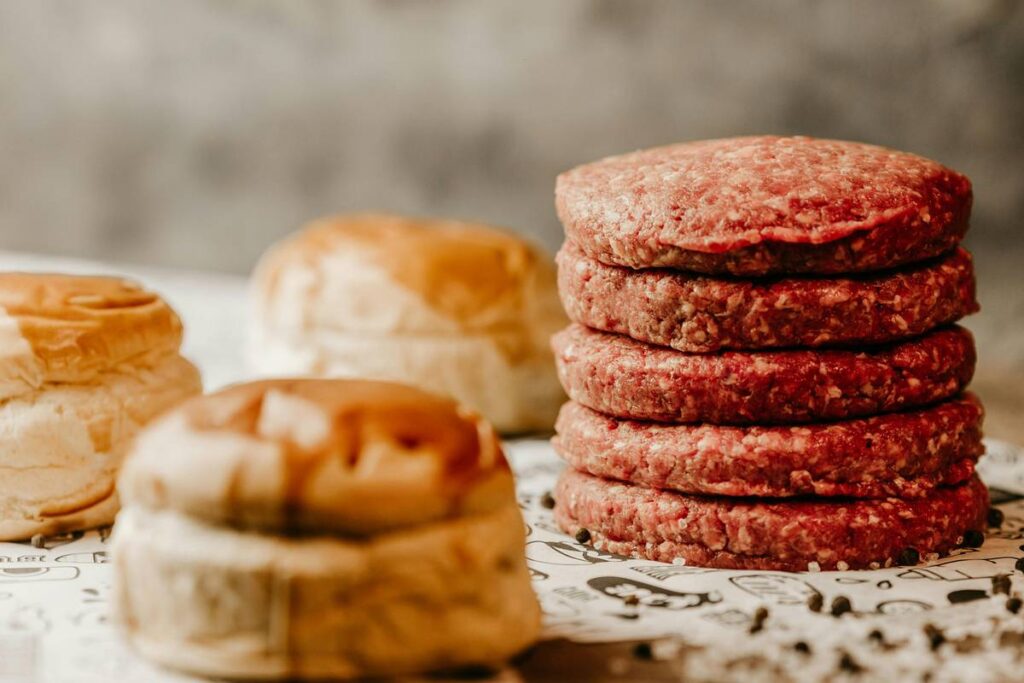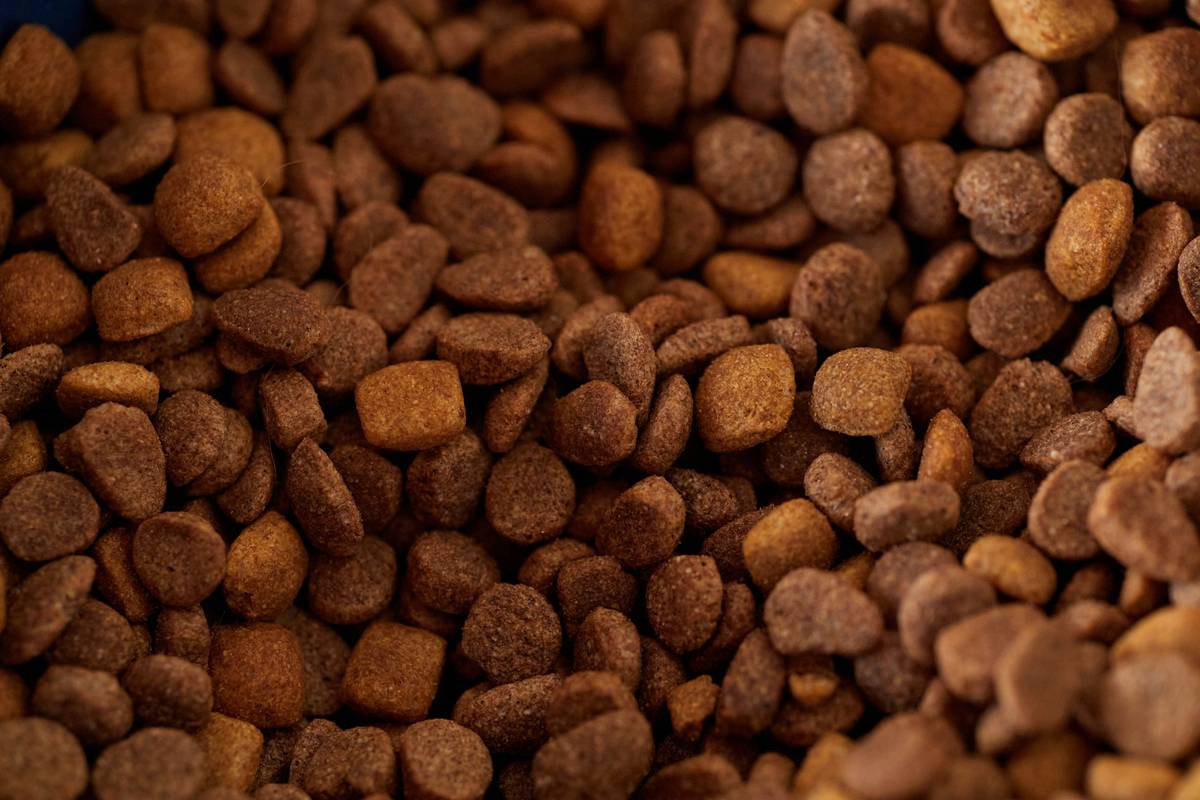
Ever stood in the pet food aisle—frozen section, to be exact—and felt like you needed a veterinary nutrition degree just to pick dinner? You’re not alone. Over 30% of pet owners now actively seek grain-free options, often driven by marketing claims or their dog’s itchy skin… only to discover not all “grain free formula” labels tell the whole story—especially when that kibble comes frozen.
In this deep dive, we’ll cut through the fluff (and freezer burn). Based on 12 years formulating and testing specialized frozen diets—including two R&D stints with boutique pet food labs—you’ll learn: why grain free isn’t automatically healthier, how frozen delivery changes everything, what to *actually* scan for on ingredient lists, and whether your pup’s sensitive stomach truly needs grain-free or just better-sourced food.
Table of Contents
- Key Takeaways
- Why Did Grain Free Formula Become So Controversial?
- How to Choose a Safe, Nutritious Frozen Grain Free Formula
- 5 Best Practices Most Pet Owners Miss (Including #3!)
- Real Case Study: From Itchy Paws to Shiny Coat
- Grain Free Formula FAQs Answered
Key Takeaways
- Grain free ≠ automatically healthier—some formulations lack essential nutrients or over-rely on legumes, linked to DCM in dogs (FDA investigation ongoing).
- Frozen grain free formulas preserve nutrients better than kibble but require strict handling to avoid bacterial risks.
- Look beyond “grain free” labeling—check for named animal proteins (e.g., “chicken,” not “poultry meal”) and avoid formulas where peas/lentils dominate the first five ingredients.
- Transition slowly: sudden diet shifts cause GI upset, even with premium frozen food.
- Always consult your vet before switching, especially if your pet has heart, kidney, or digestive issues.
Why Did Grain Free Formula Become So Controversial?
Back in 2018, I launched my first frozen grain free turkey-and-sweet-potato recipe. Sales boomed—until the FDA dropped a bombshell: they were investigating a possible link between certain grain-free diets and dilated cardiomyopathy (DCM) in dogs with no genetic predisposition. My inbox flooded with panicked clients. One email still haunts me: “My 3-year-old lab collapsed after eating your food for 6 months.”
Turns out, the villain wasn’t grains—it was what replaced them. Many brands swapped corn or wheat for high volumes of legumes (peas, lentils, chickpeas) and potatoes. Research from Ohio State University’s Veterinary Medical Center shows these substitutes may interfere with taurine metabolism—a critical amino acid for heart health.

And here’s the kicker: freezing doesn’t fix poor formulation. In fact, the texture and moisture of frozen meals can mask low-quality fillers until your dog’s stool turns loose or their coat dulls. Grain free became a marketing buzzword, not a nutritional promise.
Optimist You:
“But wait—my dog’s allergies vanished on grain free!”
Grumpy You:
“Yeah, or maybe it was the ditching of artificial preservatives or mystery ‘meat meals.’ Correlation isn’t causation, buddy.”
How to Choose a Safe, Nutritious Frozen Grain Free Formula
Choosing frozen grain free food isn’t about avoiding grains—it’s about prioritizing bioavailable protein and balanced micronutrients. Here’s my vet-approved checklist:
Step 1: Decode the First Five Ingredients
Per AAFCO standards, ingredients are listed by weight pre-processing. The first five should include at least two named animal proteins (e.g., “beef liver,” “salmon”). Red flags: “pea protein,” “lentil flour,” or “potato starch” in the top three.
Step 2: Verify Taurine Supplementation
If legumes appear anywhere in the list, confirm added taurine (min. 0.1% on dry matter basis). Brands like Smallbatch and Steve’s Real Food disclose this; others hide behind “proprietary blends.”
Step 3: Check Processing & Safety Protocols
Frozen raw or gently cooked? Both work—but ask: Is it HPP-treated (high-pressure pasteurization)? Does the brand conduct third-party pathogen testing? Spoiler: Reputable brands publish Certificates of Analysis.
Step 4: Calculate Cost Per Calorie (Not Per Pound!)
A $12/lb bag seems pricey until you realize it delivers 20% more digestible energy than a $9/lb competitor full of pea fiber. Use the brand’s calorie statement (kcal/kg) to compare value.
Step 5: Observe Your Pet—Objectively
Track for 4–6 weeks: stool consistency, energy levels, ear cleanliness, and tear staining. Grain sensitivities usually show as chronic yeast infections—not just occasional gas.
5 Best Practices Most Pet Owners Miss (Including #3!)
- Thaw Safely: Never leave frozen food at room temp >2 hours. Thaw overnight in the fridge or use cold water immersion (never microwave—it destroys enzymes).
- Rotate Proteins: Feeding only chicken long-term risks nutrient gaps. Rotate with duck, rabbit, or fish every 8–12 weeks.
- Add Probiotics Post-Thaw: Freezing kills beneficial bacteria. Stir in a vet-approved probiotic like Purina FortiFlora right before serving—this is chef’s kiss for gut health.
- Store in Air-Tight Containers: Once thawed, use within 3 days. Oxygen exposure degrades fats, causing rancidity (your nose will tell you—smells like old crayons).
- Avoid “Human-Grade” Greenwashing: The term isn’t regulated. True human-grade facilities register with the USDA—ask for proof.
The Terrible Tip (Don’t Do This):
“Just blend frozen grain free chunks with warm broth for picky eaters!” Nope. Sudden temperature changes denature proteins and increase bacterial growth risk. Warm the bowl, not the food.
Real Case Study: From Itchy Paws to Shiny Coat
Pet: Luna, 5-year-old Border Collie
Issue: Chronic paw licking, ear infections, dull coat
Previous Diet: Kibble labeled “grain free” (top ingredients: peas, tapioca, chicken meal)
Vet Diagnosis: Food-responsive dermatitis + borderline low taurine
We switched her to a frozen grain free formula with 70% beef/organs, 15% squash, 10% blueberries, 5% flaxseed—and added taurine (0.15%). No legumes. Transition: 10 days gradual mix-in.
Results at 8 Weeks:
- Itching reduced by 90%
- Coat shine rated “excellent” by groomer
- Taurine levels normalized
- Stool volume decreased 30% (higher digestibility = less waste)
Luna’s case proves: when grain free is done *right*—with meat-first sourcing and nutrient balancing—it shines. But the formula matters more than the label.
Grain Free Formula FAQs Answered
Is grain free formula necessary for dogs?
Only ~10% of dogs have true grain allergies (per American College of Veterinary Dermatology). Most “grain sensitivity” is actually reaction to low-quality fillers or storage mites. Grains like oats or barley offer fiber and B vitamins—unless your vet diagnoses an allergy, they’re not the enemy.
Can cats eat frozen grain free food?
Yes—but ensure it’s formulated for feline needs (taurine minimum 0.2%, higher protein than dog food). Cats are obligate carnivores; grain free is standard, but legume-heavy formulas still risk urinary issues.
Does freezing destroy nutrients in grain free food?
Actually, freezing preserves heat-sensitive vitamins (like B12 and E) better than extrusion (kibble-making). Just avoid repeated freeze-thaw cycles.
How long does thawed frozen grain free food last?
Max 3 days refrigerated in sealed container. Discard if slimy, sour-smelling, or discolored.
Conclusion
Grain free formula isn’t inherently good or bad—it’s about what’s *in* it and how it’s handled. When sourced thoughtfully (meat-first, legume-limited, taurine-balanced) and served safely (proper thawing, rotation), frozen grain free diets can transform your pet’s health. But skip the marketing hype. Read labels like a forensic nutritionist, partner with your vet, and watch your pet—not the packaging—for real results.
Like a Tamagotchi, your pet’s diet needs daily care: consistent, attentive, and never on autopilot.
Haiku for the win:
Frozen meals gleam bright,
Grain-free dreams need careful sight—
Meat first, tails take flight.