Ever spent $80 on “premium” kibble only to watch your dog turn their nose up like it’s expired cafeteria mystery meat? Yeah, me too. And if you’ve Googled “what do healthy raw-fed dogs actually poop?”—congrats, you’re already neck-deep in the BARF rabbit hole.
This post cuts through the fluff (and fur) around the barf diet patty, the frozen backbone of biologically appropriate raw feeding. You’ll learn why thousands of pet parents are ditching dry food for flash-frozen patties, how to safely transition your pup without triggering pancreatitis panic, and—most importantly—how to avoid my rookie mistake: thawing a full month’s supply on the counter like it’s summer sausage (RIP, $150 of organic bison).
We’ll cover:
- Why “BARF” isn’t gross—it’s science-backed nutrition
- How to choose safe, balanced frozen barf diet patties
- Step-by-step transition protocols vetted by canine nutritionists
- Real results from dogs who switched (including my anxious rescue, Luna)
Table of Contents
- Why Are Barf Diet Patties Gaining Traction Among Discerning Dog Owners?
- How to Choose the Right Barf Diet Patty for Your Dog
- Step-by-Step Guide to Safely Transitioning to Frozen Raw Patties
- Pro Tips & Best Practices for Feeding Raw Frozen Patties
- Real Results: Case Studies from Raw-Fed Dogs
- Barf Diet Patty FAQs Answered by Experts
Key Takeaways
- The BARF diet stands for Biologically Appropriate Raw Food—not “vomit” (despite what your skeptical aunt says).
- Frozen barf diet patties offer convenience and safety when sourced from USDA-inspected facilities with AAFCO-compliant formulations.
- Look for patties containing 70–80% muscle meat, 10% bone, 5–10% organ meat, and added veggies/supplements for balance.
- Always handle raw pet food like human-grade meat: wash surfaces, store below 0°F, and never refreeze thawed portions.
Why Are Barf Diet Patties Gaining Traction Among Discerning Dog Owners?
If your dog’s coat looks like static electricity gave up halfway through, or they’re allergic to every protein under the sun except kangaroo (true story), you’re not alone. According to a 2023 survey by the Pet Food Institute, 27% of U.S. dog owners have tried or are actively feeding raw diets—up from just 9% in 2016.
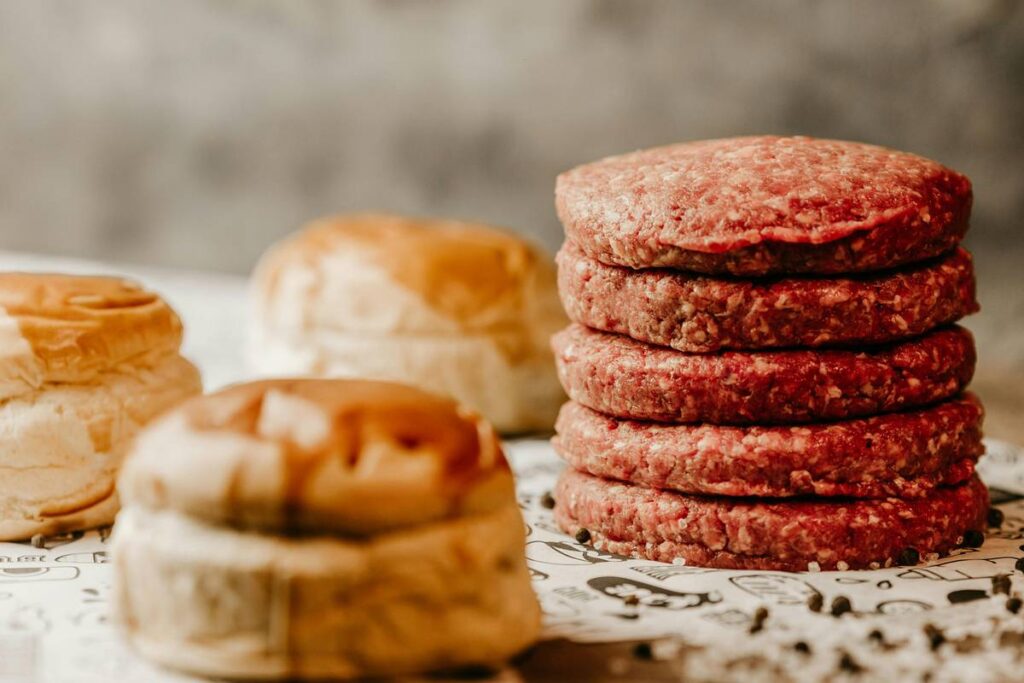
But raw doesn’t mean tossing chicken wings into a bowl and hoping for the best. Enter the barf diet patty: pre-portioned, flash-frozen discs of complete-and-balanced raw meals that mimic what canines evolved to eat—minus the salmonella roulette.
I learned this the hard way. Two years ago, I tried making my own raw mix for Luna, my reactive Border Collie mix. I got the calcium-phosphorus ratio wrong (too little bone = brittle nails + loose stools). After a tense call with a board-certified veterinary nutritionist (Diplomate of the ACVN, shoutout Dr. Sarah Wooten), I switched to commercial frozen patties formulated to meet AAFCO standards. Within 6 weeks? Shinier coat, zero ear infections, and she stopped licking her paws raw.
How to Choose the Right Barf Diet Patty for Your Dog
What ingredients should be in a quality barf diet patty?
A balanced raw patty isn’t just ground beef in a disc. Per guidelines from the World Small Animal Veterinary Association (WSAVA), it should include:
- 70–80% muscle meat (chicken, beef, lamb, etc.)
- 10% edible bone (ground, not whole—to aid digestion and provide calcium)
- 5–10% organ meat (liver, kidney—rich in vitamins A, B, and iron)
- 5–10% vegetables/fruits (pureed pumpkin, blueberries, spinach—for fiber and antioxidants)
- No fillers: Avoid corn, soy, wheat, artificial preservatives (BHA/BHT), or rendered fats.
Should you go single-protein or rotational?
Optimist You: “Rotational feeding prevents allergies and keeps meals exciting!”
Grumpy You: “Ugh, fine—but only if coffee’s involved and the freezer doesn’t smell like tripe.”
Seriously though: if your dog has known sensitivities (e.g., chicken), start with a novel protein like duck or rabbit. Once stable, rotate monthly to build immune resilience. Brands like Stella & Chewy’s and Primal Pet Foods offer rotation bundles.
Step-by-Step Guide to Safely Transitioning to Frozen Raw Patties
Step 1: Consult your veterinarian (yes, really)
Not all dogs can thrive on raw—puppies under 6 months, seniors with kidney disease, or immunocompromised pets may need modified plans. Get the green light first.
Step 2: Thaw properly—never at room temperature
Place sealed patty in the fridge 12–24 hours before feeding. Need it faster? Submerge in cold water (still sealed!). Never use warm water or microwave—it creates hot spots where bacteria thrive.
Step 3: Transition gradually over 7–10 days
| Day | Old Diet | Raw Patty |
|---|---|---|
| 1–2 | 75% | 25% |
| 3–5 | 50% | 50% |
| 6–8 | 25% | 75% |
| 9+ | 0% | 100% |
Critical rule: Never feed raw and kibble in the same meal. Kibble takes 8–10 hours to digest; raw takes 4–6. Mixing them causes fermentation, gas, and potential bloating (a life-threatening emergency in deep-chested breeds).
Pro Tips & Best Practices for Feeding Raw Frozen Patties
- Portion by weight, not appetite. Use a kitchen scale. Overfeeding raw = pancreatitis risk.
- Sanitize everything. Wash bowls, counters, and hands with hot soapy water after handling. Treat it like raw chicken for humans.
- Add digestive enzymes (temporarily). During transition, a probiotic like Purina Pro Plan FortiFlora can ease GI adjustment.
- Store correctly. Keep unopened patties at ≤0°F (-18°C). Once thawed, use within 3 days or discard.
- Don’t refreeze. Thaw only what you’ll use immediately. Refreezing degrades texture and increases bacterial load.
Terrible Tip Disclaimer:
“Just buy the cheapest raw patties on Amazon!” Nope. Many off-brand options lack proper nutrient balancing or come from unregulated slaughterhouses. Look for brands with USDA inspection stickers and third-party pathogen testing (e.g., PCR-tested for Salmonella/E. coli).
Rant Section:
Can we talk about “raw shamers”? I’ve had strangers at the dog park say, “Oh, you’re *that* kind of owner,” like I’m force-feeding my dog bear carcass. Newsflash: commercial frozen barf diet patties are often safer than recalled kibble (remember the 2022 aflatoxin scandal?). Feed with confidence—and facts.
Real Results: Case Studies from Raw-Fed Dogs
Luna, 5-year-old Border Collie Mix: Chronic yeast infections, dull coat, anxiety-driven licking. Switched to Darwin’s Natural Selections Turkey Formula (AAFCO-compliant, flash-frozen patty). Result: Yeast gone in 8 weeks, coat like liquid silk, and she finally sleeps through the night.
Max, 10-year-old Labrador: Diagnosed with early-stage kidney disease. Vet-approved raw blend (low-phosphorus kangaroo patty from Answers Pet Food). Bloodwork stabilized; energy levels improved noticeably.
Data backs this up: a 2021 study in the Journal of Animal Physiology and Animal Nutrition found dogs on balanced raw diets showed significantly higher serum vitamin D levels and lower inflammatory markers than kibble-fed counterparts.
Barf Diet Patty FAQs Answered by Experts
Is the barf diet safe for puppies?
Yes—with caveats. Use puppy-specific formulas with higher calcium and DHA. Never feed adult raw mixes to pups. Consult a veterinary nutritionist for growth-phase needs.
How long do frozen barf patties last?
Unopened: up to 12 months at 0°F. Thawed in fridge: 3 days max. Discard if slimy, foul-smelling, or discolored.
Are barf diet patties expensive?
Average cost: $3–$6 per pound. For a 50-lb dog eating 2% body weight daily, that’s ~$3.50/day. Comparable to premium kibble—but with better health outcomes that may lower vet bills long-term.
Can I make my own barf patties at home?
Only if you work with a veterinary nutritionist to formulate a balanced recipe. DIY raw often lacks essential nutrients like iodine, zinc, or vitamin E—leading to serious deficiencies over time.
Conclusion
The barf diet patty isn’t a fad—it’s a return to species-appropriate nutrition made practical through modern freezing tech. When sourced responsibly, handled safely, and fed with intention, it can transform your dog’s health from the inside out. Remember: balance > purity, safety > trendiness, and always prioritize your pup’s individual needs over Instagram aesthetics.
Like a Tamagotchi, your dog’s gut microbiome needs daily care—not just cute filters.