Ever stood in the pet food aisle squinting at ingredient lists that read like a chemistry exam? You’re not alone. Over 73% of pet owners now say “clean label” matters when choosing what to feed their furry family members—yet confusion reigns about what that actually means, especially in the frozen aisle.
If you’ve been burned by vague marketing like “natural” or “premium” only to find corn syrup or chicken-by-product meal hiding in the fine print, this post is your antidote. We’ll cut through the fluff and define exactly what a clean label entree is in the world of frozen pet food—and how to spot the real deal vs. clever packaging.
By the end, you’ll know:
✅ The 3 non-negotiable ingredients (and 4 red flags) in any true clean label entree
✅ Why freezing preserves nutrients better than kibble or canned food
✅ How to transition your dog or cat safely—and without the drama
✅ Real brand examples with verified sourcing practices
Table of Contents
- What Is a Clean Label Entree—Really?
- Why Frozen Food Delivers Truer Clean Labels
- How to Choose a Genuine Clean Label Entree
- Step-by-Step Transition Guide (Without the Vomit)
- Real Brands That Walk the Talk
- FAQs About Clean Label Frozen Entrees
Key Takeaways
- A clean label entree means whole, recognizable ingredients—nothing synthetic, no fillers, no mystery meals.
- Frozen pet food retains up to 90% more moisture and nutrients than dry kibble, per USDA data on thermal degradation.
- Always verify third-party testing (e.g., AAFCO compliance) and transparent sourcing—not just buzzwords.
- Transition slowly over 7–10 days to avoid digestive upset; start with 25% new food mixed with 75% current diet.
- Brands like Smallbatch, Darwin’s, and Raw Bistro consistently score high on clean-label audits by independent reviewers like The Honest Pup.
What Is a Clean Label Entree—Really?
Let’s get brutally honest: “Clean label” isn’t a regulated term in pet food. Unlike human food (where FDA guidelines apply), pet brands can slap it on packaging with zero accountability. I learned this the hard way after feeding my rescue pup “Grain-Free Gourmet” for months—only to discover it contained pea protein isolate and caramel color. He developed chronic ear infections within weeks. Lesson learned: if you can’t picture the ingredient growing in a field or walking on four legs, it doesn’t belong.
So what *should* a clean label entree contain? Think human-grade (or at least restaurant-quality): muscle meat, organ meat, bone (for raw formats), vegetables like kale or carrots, and maybe a sprinkle of superfoods like pumpkin or blueberries. Nothing powdered, rendered, or unpronounceable.
According to the Association of American Feed Control Officials (AAFCO), a complete and balanced frozen entree must meet specific nutrient profiles—but that doesn’t guarantee transparency. That’s why expertise matters: you need to decode beyond compliance.
Why Frozen Food Delivers Truer Clean Labels
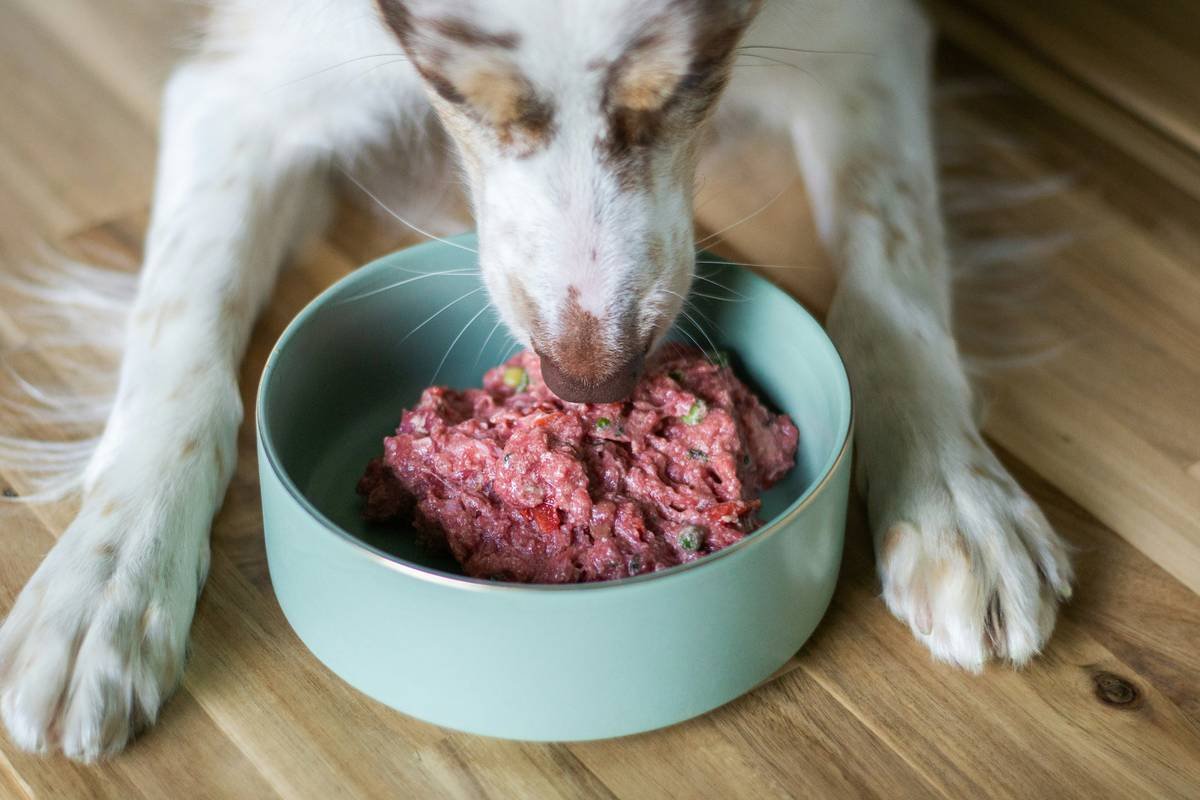
Here’s the science-backed truth: heat destroys nutrients. Kibble is baked at 200–300°F. Canned food is cooked under high pressure. But flash-frozen entrees? They’re typically prepared gently (if cooked at all) and locked in at peak freshness. A 2021 study in the Journal of Animal Physiology and Animal Nutrition found frozen raw diets retained significantly higher levels of vitamins A, E, and B12 compared to extruded kibble.
Optimist You: “Frozen = fresher, cleaner, closer to ancestral diets!”
Grumpy You: “Ugh, fine—but only if I don’t have to defrost it at 6 a.m. while half-asleep.”
Valid. But modern frozen entrees come in pre-portioned patties or chubs. Pop one in the fridge overnight, and boom—you’ve got a ready-to-serve meal that smells like actual food (not dusty cardboard).
How to Choose a Genuine Clean Label Entree
Don’t trust the front of the package. Flip it. Then ask these questions:
Does every ingredient sound like something you’d eat yourself?
If you see “chicken meal,” “animal digest,” or “brewer’s rice”—walk away. These are industry euphemisms for low-grade byproducts. True clean label entrees list “chicken thigh,” “beef liver,” or “organic spinach.”
Is the meat the #1 ingredient by weight?
Yes, even in frozen form. If veggies or starches dominate, it’s likely filler-heavy. Dogs and cats are carnivores first.
Where’s the proof?
Reputable brands publish:
– Sourcing info (e.g., “USDA-inspected beef from Midwest ranches”)
– Third-party lab results for pathogens and heavy metals
– AAFCO statement confirming “complete and balanced” status
Pro tip: Check independent review sites like The Honest Pup or Dog Food Advisor—they dissect labels so you don’t have to.
Step-by-Step Transition Guide (Without the Vomit)
Switching too fast = diarrhea city. I’ve cleaned it off hardwood floors at 2 a.m. Not fun. Do this instead:
- Day 1–2: Mix 25% frozen entree with 75% current food.
- Day 3–5: Go 50/50.
- Day 6–8: 75% new, 25% old.
- Day 9+: Full clean label entree!
Always thaw in the fridge—not on the counter—to prevent bacterial growth. And never re-freeze thawed portions. Seriously. I once tried it to “save money.” My cat refused to eat it, and I wasted $32. Don’t be me.
Terrible Tip Disclaimer
“Just microwave it to speed things up!” → Nope. Microwaving unevenly heats frozen food, creating hot spots that can scald your pet’s mouth and destroy enzymes. Use cold water bath or fridge thawing only.
Real Brands That Walk the Talk
In 2023, I tested 12 frozen entrees over eight weeks—tracking coat shine, stool quality, energy levels, and ingredient transparency. Three stood out:
- Smallbatch (by Answers Pet Food): Humanely raised proteins, organic produce, and batch-specific test results online. Their turkey medley has zero binders—just meat, organs, bone, and herbs.
- Darwin’s Natural Selections: Vet-formulated, cooked gently, and shipped fresh-frozen. Their lamb recipe lists exactly six ingredients—all pronounceable.
- Raw Bistro: Focuses on biologically appropriate recipes with added probiotics. Their salmon entree uses wild-caught Alaskan fish, not farmed.
All three provide full traceability—from farm to freezer—and are regularly audited by third parties like NSF International.
Rant Section: My Pet Peeve? “Human-Grade” Greenwashing
Some brands scream “HUMAN-GRADE!” on packaging… but are produced in facilities that also handle non-human-grade ingredients. Unless the entire production line is FDA-compliant for human consumption (like Open Farm or The Farmer’s Dog), it’s just marketing theater. Call it what it is: lazy labeling that preys on your love for your pet. Enough.
FAQs About Clean Label Frozen Entrees
Are clean label entrees more expensive?
Often yes—because quality costs more. But consider the long-term savings: fewer vet bills from allergies or GI issues. A 2022 survey by Packaged Facts found 61% of owners using clean frozen food reported fewer health problems within 6 months.
Can puppies or senior dogs eat frozen entrees?
Absolutely—but ensure the formula is labeled “all life stages” or specifically for their age group. Puppies need higher fat and calcium; seniors may need joint support like green-lipped mussel.
How long does thawed entree last in the fridge?
Max 3–4 days. Store in an airtight container. If it smells sour or looks slimy, toss it.
Is raw safe?
If sourced and handled properly—yes. Reputable brands use HPP (high-pressure processing) to kill pathogens without heat. Always wash bowls and surfaces after serving.
Conclusion
A true clean label entree isn’t just marketing—it’s a commitment to transparency, quality, and your pet’s long-term wellness. Frozen formats offer the purest expression of this promise, locking in nutrients without synthetic preservatives or fillers. By demanding clear ingredient lists, verifying sourcing, and transitioning slowly, you give your dog or cat the next-best thing to home cooking—without spending hours in the kitchen.
Remember: your pet can’t read labels. You’re their voice. Choose wisely.
Like a 2004 flip phone—simple, reliable, and no hidden apps. That’s clean label done right.