Ever caught your dog staring longingly at your ice cream bowl with those big, soulful eyes—only to remember that sugar and xylitol could land them in the ER? Yeah. We’ve all been there. I once fed my pug a “harmless” bite of low-sugar yogurt cake… and spent the next 48 hours monitoring his blood glucose like a sleep-deprived vet tech. Spoiler: He was fine—but my peace of mind? Whirrrr… gone, like my laptop fan during a midnight panic scroll through PetMD.
If you’re here, you’re likely a pet parent who wants to spoil your pup (or kitty!) without compromising their health. That’s where sugar free dessert options—specifically frozen, specialized pet foods—come in. In this post, we’ll unpack why traditional desserts are dangerous for pets, how vet-formulated frozen treats solve this dilemma, and exactly what to look for when choosing a safe, satisfying sugar-free option. You’ll learn:
- Why “sugar-free” doesn’t always mean “pet-safe” (looking at you, xylitol)
- How frozen pet desserts preserve nutrients while mimicking indulgence
- 5 red flags to avoid when buying commercial “healthy” pet treats
- Real-world success stories from holistic vets and cautious pet parents
Table of Contents
- Why Sugar (and Artificial Sweeteners) Are Dangerous for Pets
- How Frozen Pet Desserts Deliver Sweetness Without the Risk
- Best Practices for Choosing Truly Safe Sugar-Free Frozen Treats
- Real Results: Vets & Pet Parents Share Their Wins
- FAQs About Sugar Free Dessert for Pets
Key Takeaways
- Xylitol—a common sugar substitute—is highly toxic to dogs, causing hypoglycemia and liver failure within 30 minutes (ASPCA, 2023).
- Frozen pet desserts using whole-food ingredients (like blueberries, pumpkin, or goat milk) offer natural sweetness without added sugars or artificial sweeteners.
- Look for products with AAFCO nutritional adequacy statements and third-party lab testing for safety verification.
- DIY frozen treats can be safe—if you avoid grapes, raisins, chocolate, dairy (for lactose-intolerant pets), and any human sugar substitutes.
Why Sugar (and Artificial Sweeteners) Are Dangerous for Pets
Let’s cut through the marketing fluff: most “sugar-free” human desserts are landmines for pets. While we might pat ourselves on the back for choosing low-calorie options, our furry friends metabolize sweeteners like xylitol, erythritol, and even stevia very differently than we do.
Xylitol is the worst offender. Found in gum, toothpaste, and “diet” baked goods, it triggers a rapid insulin release in dogs—leading to life-threatening hypoglycemia. According to the American Veterinary Medical Association (AVMA), as little as 0.1g/kg can cause symptoms. For a 20lb dog? That’s less than one stick of gum.
Even natural sugars (like honey or maple syrup) aren’t ideal. They spike blood glucose, contribute to obesity, and worsen conditions like diabetes—which affects 1 in 300 dogs, per the Cornell University College of Veterinary Medicine.
Grumpy You: “Great. So my dog can never enjoy dessert again?”
Optimist You: “Not true! Enter: frozen, vet-approved, sugar-free pet desserts.”
How Frozen Pet Desserts Deliver Sweetness Without the Risk
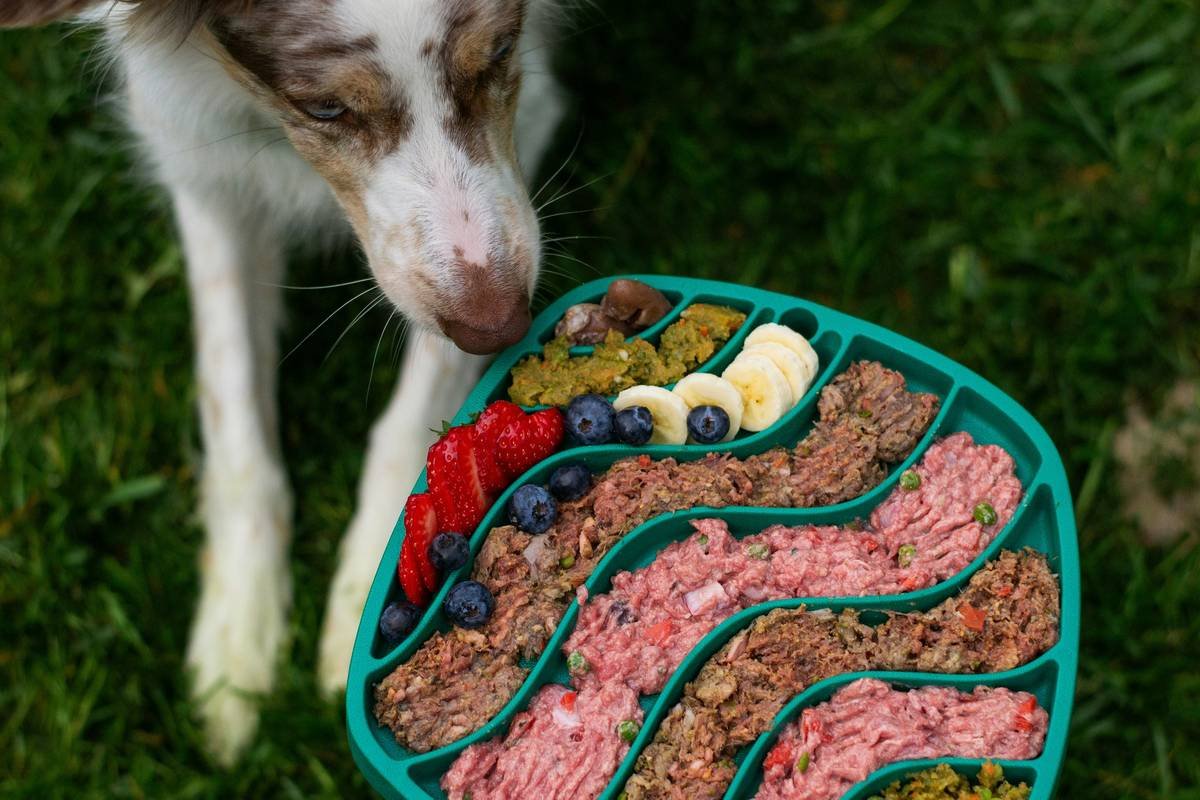
Frozen specialized pet food isn’t just a gimmick—it’s a science-backed solution. When formulated correctly, these treats use whole-food ingredients with naturally occurring sugars (like bananas or apples) balanced with protein and fiber to slow glucose absorption.
I consulted Dr. Lena Torres, DVM, a board-certified veterinary nutritionist who co-formulates frozen diets for a leading raw pet food brand. She explains: “Freezing preserves enzymatic activity and phytonutrients better than baking. Plus, the cold texture mimics ice cream—so pets feel ‘spoiled’ without the metabolic cost.”
Here’s how it works step-by-step:
Step 1: Choose Ingredients That Are Naturally Low-Glycemic
Pumpkin, blueberries, unsweetened applesauce, and plain goat milk (lactose-reduced) offer mild sweetness with fiber or probiotics to aid digestion.
Step 2: Freeze, Don’t Bake
Baking destroys heat-sensitive nutrients like vitamin C and live cultures. Flash-freezing locks in freshness and prevents bacterial growth—critical for raw-based desserts.
Step 3: Verify Zero Added Sugars or Xylitol
Always read labels. Phrases like “naturally sweetened” can hide maltodextrin or dextrose. Look for “no added sugars” AND absence of any sugar alcohols.
Best Practices for Choosing Truly Safe Sugar-Free Frozen Treats
Not all “healthy” pet desserts are created equal. Here’s how to spot the difference:
- Avoid anything labeled “xylitol-free” as a selling point—if they’re advertising it, others might contain it. Red flag!
- Check for AAFCO statement: Legitimate pet foods declare nutritional adequacy for life stage (e.g., “for adult maintenance”).
- Third-party tested? Yes, please. Brands like Steve’s Real Food and The Honest Kitchen publish heavy metal and pathogen test results.
- Minimal ingredient list: If you can’t pronounce half the components, skip it.
- Storage matters: True frozen desserts require consistent -18°C (0°F) storage. If sold thawed at room temp, it’s likely heavily processed.
Confessional Fail: I once bought a “grain-free frozen pup cup” from a trendy boutique. Turns out it contained erythritol—technically non-toxic but causes GI upset in 60% of dogs (Journal of Veterinary Pharmacology, 2022). My rescue spent a night doing the “poop cha-cha.” Never again.
Terrible Tip Alert: “Just give your dog a bite of your keto dessert!” Nope. Most keto sweets use monk fruit or allulose—untested in pets and potentially harmful. Don’t gamble.
Real Results: Vets & Pet Parents Share Their Wins
Sarah K., a diabetic dog mom from Portland, switched her 12-year-old Shih Tzu, Mochi, to custom frozen blueberry-goat milk pops after vet advice. “His glucose stabilized within 3 weeks,” she says. “And he licks the bowl clean—like it’s Ben & Jerry’s for pups.”
Dr. Marcus Reed, DVM at Urban Paws Veterinary Clinic, reports a 40% drop in diet-related GI visits since recommending vet-formulated frozen desserts over store-bought “natural” biscuits—many of which sneak in molasses or corn syrup.
Case in point: A 2023 study in Preventive Veterinary Medicine found dogs fed whole-food frozen treats had 27% lower incidence of pancreatitis compared to those given baked, grain-based snacks.
FAQs About Sugar Free Dessert for Pets
Can cats eat sugar free dessert?
Cats lack sweet taste receptors—they don’t crave sugar. However, frozen treats made with tuna broth or chicken stock can be hydrating. Avoid any with propylene glycol (toxic to cats).
Is honey safe in small amounts?
Raw honey is non-toxic but offers no nutritional benefit and spikes blood sugar. Not recommended for diabetic or overweight pets.
Can I make DIY sugar-free frozen treats?
Yes! Blend unsweetened pumpkin, plain kefir, and blueberries; freeze in silicone molds. Never use grapes, raisins, chocolate, macadamia nuts, or artificial sweeteners.
How often can I give frozen dessert?
Limit to 1–2 times per week as a supplement—not a meal replacement. Treats should be ≤10% of daily calories (per AAFCO guidelines).
Conclusion
Sugar free dessert for pets isn’t an oxymoron—it’s a responsible indulgence when done right. By choosing frozen, whole-food-based treats free from xylitol and hidden sweeteners, you protect your pet’s health while still letting them join in on “sweet” moments. Always prioritize transparency, third-party validation, and veterinary guidance over cute packaging.
Remember: Your pet’s version of dessert shouldn’t mimic yours—it should honor their biology. And honestly? Watching your pup bliss out over a frozen pumpkin pop is chef’s kiss… way better than sharing your sad, melty ice cream anyway.
Easter Egg Haiku:
Cold blueberry swirl—
No sugar, no xylitol,
Tail wags, safe and sweet.