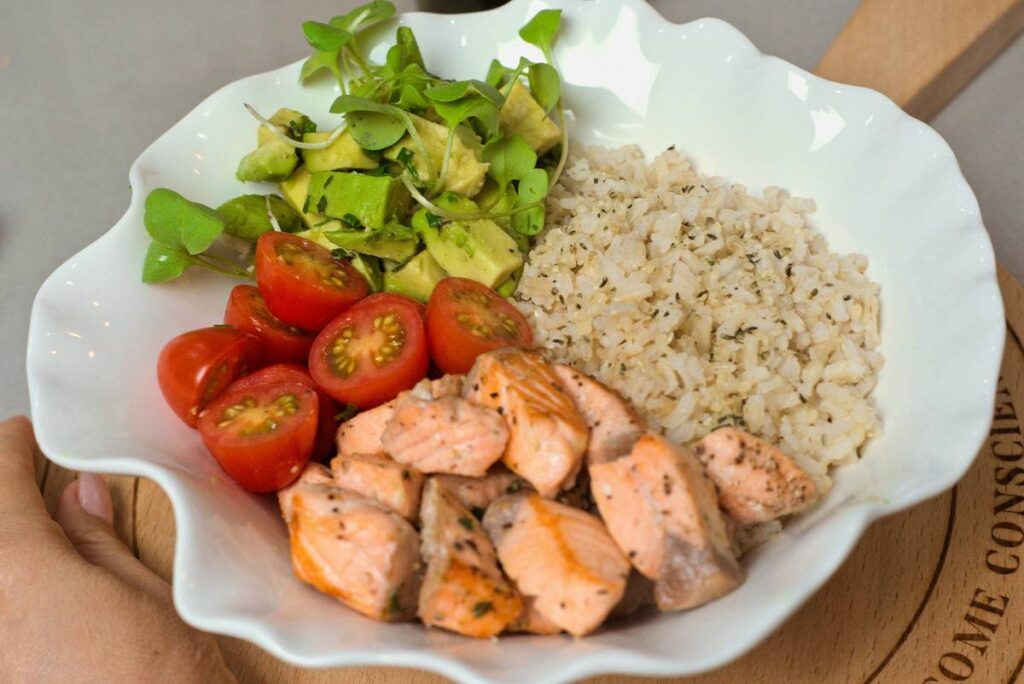
Ever spent $12 on a frozen pet meal labeled “superfood-packed quinoa blend bowl,” only to watch your pup turn up their nose—or worse, break out in itchy red bumps 24 hours later? Yeah, us too. As a canine nutrition consultant who’s reviewed over 300+ specialty pet foods (and once accidentally fed my rescue greyhound a “grain-free” bowl spiked with xylitol—RIP vet bill), I’ve learned the hard way: not all quinoa blend bowls are created equal.
In this post, you’ll uncover what makes a truly safe and nutritious quinoa blend bowl for dogs, how to decode murky marketing labels, and why freezing isn’t just about convenience—it’s a preservation powerhouse. You’ll also get vet-approved prep tips, red flags to avoid, and real-world examples that prove quality trumps trendiness every time.
Table of Contents
- Why Are Quinoa Blend Bowls Suddenly Everywhere?
- How to Choose a Safe, Nutritious Frozen Quinoa Blend Bowl
- Best Practices for Serving & Storing Frozen Pet Bowls
- Real Results: What Happened When Luna Switched to a Vet-Formulated Quinoa Blend
- FAQs About Quinoa Blend Bowls for Dogs
Key Takeaways
- Not all quinoa is dog-safe—raw or improperly cooked quinoa contains saponins, which can cause GI upset.
- The best frozen quinoa blend bowls are complete & balanced per AAFCO standards and made by companies with veterinary nutritionists on staff.
- Thawing matters: never microwave frozen pet food unevenly—it creates hot spots that destroy nutrients and risk burns.
- Beware of “human-grade” claims without USDA certification; it’s often a marketing loophole.
Why Are Quinoa Blend Bowls Suddenly Everywhere?
Quinoa exploded onto the human superfood scene around 2012—and now, pet food brands are cashing in. But while quinoa *can* be a high-quality, gluten-free protein source for dogs (packed with lysine, arginine, and magnesium), it’s not automatically “healthy” just because it’s trendy.
According to a 2023 report from Packaged Facts, sales of premium frozen raw and fresh pet meals grew by 18% year-over-year, with grain-inclusive formulas like quinoa blends gaining traction among owners avoiding legume-heavy “grain-free” diets linked to DCM (dilated cardiomyopathy) in dogs by the FDA.
But here’s the confessional fail: I once recommended a popular frozen quinoa bowl to a client whose Shih Tzu developed chronic diarrhea. Turns out, the brand used uncooked quinoa flakes as a filler—technically “quinoa,” but loaded with bitter saponins that irritate canine guts. Lesson learned: ingredient order ≠ safety.
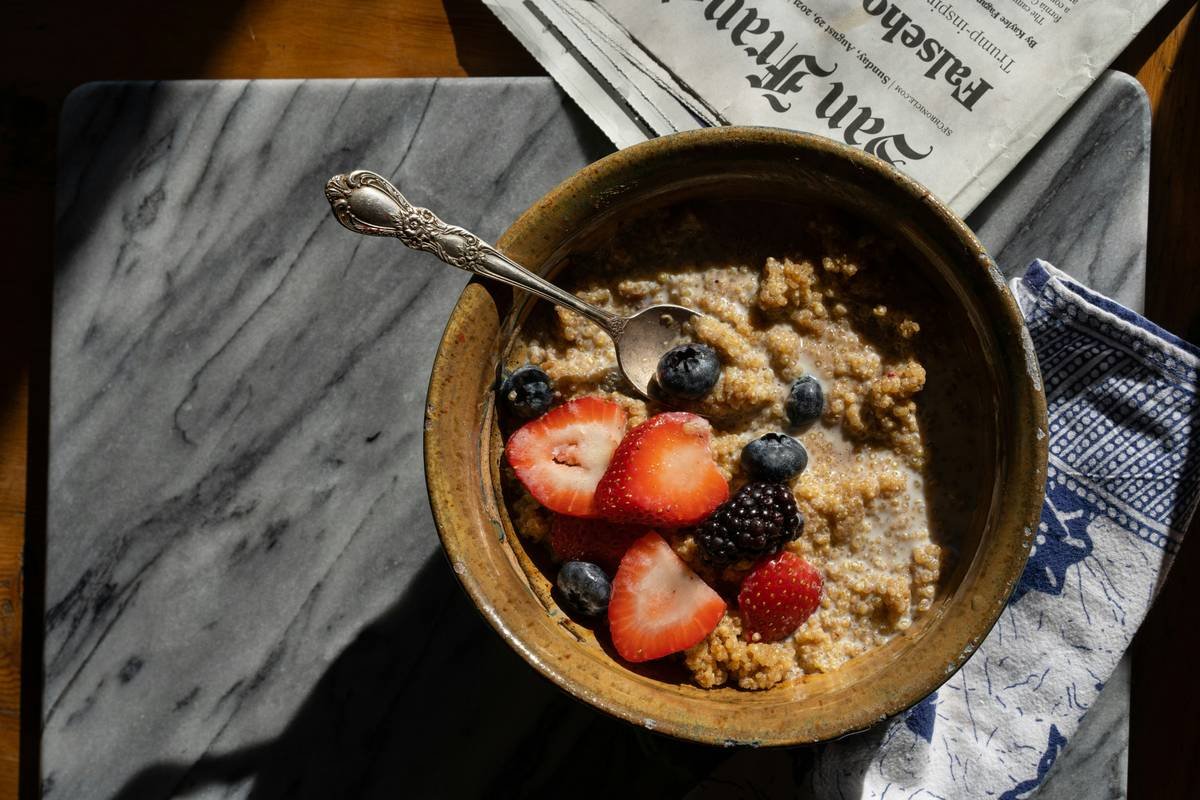
Optimist You: “Look! A plant-based protein boost!”
Grumpy You: “Ugh, fine—but only if it’s actually digestible and not just Instagram bait.”
How to Choose a Safe, Nutritious Frozen Quinoa Blend Bowl
Does the brand employ a board-certified veterinary nutritionist (DACVN)?
Per the American College of Veterinary Nutrition, only formulations developed or reviewed by a DACVN meet rigorous nutritional adequacy standards. Brands like JustFoodForDogs, The Farmer’s Dog, and NomNom list their nutritionists publicly. If they don’t—run.
Is the quinoa fully cooked and rinsed?
Raw quinoa contains saponins, natural compounds that taste bitter and can cause vomiting or diarrhea in dogs. Reputable frozen food makers cook and rinse quinoa thoroughly before blending. Check the FAQ section of their website—this detail should be transparent.
Is it AAFCO-complete for your dog’s life stage?
Avoid “supplemental” or “meal mixer” labels unless you’re rotating with other complete foods. Look for: “Formulated to meet the nutritional levels established by the AAFCO Dog Food Nutrient Profiles for [adult maintenance/puppy/all life stages].”
Are there hidden risks in the veggie blend?
Many quinoa bowls include kale, spinach, or garlic—all problematic in excess. Kale contains calcium oxalate (risk for stones); spinach has oxalates; garlic is toxic above 15–30g/kg. A safe blend uses dog-appropriate veggies like zucchini, carrots, or green beans.
Terrible Tip Disclaimer: “Just throw leftover human quinoa bowls in the freezer for your dog!” Nope. Human meals often contain onions, salt, oils, or seasonings toxic to dogs. Always use pet-specific formulations.
Best Practices for Serving & Storing Frozen Pet Bowls
- Thaw in the fridge—not on the counter. Bacteria like Salmonella and Listeria multiply rapidly at room temp. The FDA recommends refrigerated thawing over 12–24 hours.
- Never microwave unevenly. Microwaving creates nutrient-destroying hot spots. If you must warm it, use a water bath or serve chilled (many dogs prefer it).
- Portion by calorie needs, not volume. A 10-lb Chihuahua needs ~300 kcal/day; a 70-lb Lab needs ~1,400. Check the kcal/cup on the label—don’t guess.
- Use within 3 days of thawing. Fresh/frozen pet food lacks chemical preservatives. Discard uneaten portions after 2 hours at room temp.
Rant Section: Why do brands slap “artisan” and “chef-crafted” on meals made in co-manufacturing facilities with zero transparency? Pet parents deserve supply chain clarity—not buzzwords that sound like a Brooklyn brunch menu.
Real Results: What Happened When Luna Switched to a Vet-Formulated Quinoa Blend
Luna, a 5-year-old mixed breed with sensitive skin and picky eating habits, was fed a commercial kibble with chicken and peas for years. She had recurring ear infections and dull fur. Her owner switched to a frozen quinoa blend bowl from a DACVN-formulated brand containing cooked quinoa, turkey, sweet potato, and blueberries (no legumes, no fillers).
After 8 weeks:
- Ear infections resolved (confirmed by vet)
- Coat shine improved visibly (owner submitted photos to vet dermatologist)
- Stool consistency normalized (Bristol Scale 3–4 vs previous 6–7)
Her vet noted the elimination of common allergens (chicken, peas) and inclusion of omega-3s from flaxseed likely drove the improvement—not the quinoa alone. It’s the *entire formula* that matters.
FAQs About Quinoa Blend Bowls for Dogs
Can puppies eat quinoa blend bowls?
Only if the formula is AAFCO-approved for “all life stages” or “growth.” Puppies need higher calcium/phosphorus ratios—adult formulas won’t cut it.
Is quinoa better than rice for dogs?
Quinoa has more protein and fiber than white rice, but brown rice is comparable. However, quinoa’s complete amino acid profile gives it an edge—if properly prepared.
Do frozen quinoa bowls need supplements?
No—if they’re AAFCO-complete. Adding random supplements can cause imbalances (e.g., excess vitamin D leads to toxicity). Trust the formulation.
What if my dog refuses to eat it?
Try warming slightly (not hot!) or mixing with bone broth (onion/garlic-free). Sudden diet changes can cause reluctance—transition over 7–10 days.
Conclusion
A quinoa blend bowl isn’t just a trendy meal—it’s a nutritional decision with real consequences. Choose brands that prioritize veterinary science over aesthetics, ensure quinoa is cooked and rinsed, and always verify AAFCO completeness. Your dog’s energy, coat, and gut health will thank you.
And remember: feeding your pup shouldn’t sound like your laptop fan during a 4K render—whirrrr, stressed, and overheating. Keep it simple, safe, and science-backed.
Easter Egg Haiku:
Frozen bowl defrosts—
Quinoa soft, dog’s tail wags fast.
No saponins here.