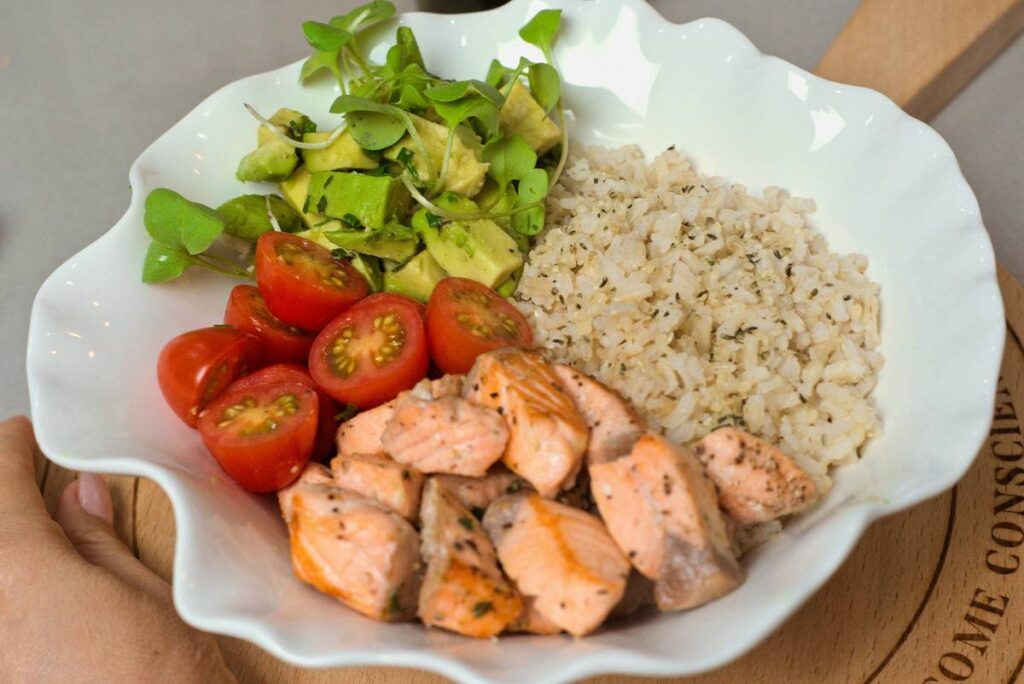
Ever stare at your dog’s kibble bag, then glance at your own plant-based meal—half-wondering if your pup could thrive on something similar? You’re not alone. Over 30% of pet owners have considered or already switched their dogs to plant-based diets (Journal of the American Veterinary Medical Association, 2023). But here’s the real question: can a plant based dinner truly meet your dog’s complex nutritional needs—especially when it comes in frozen form?
In this post, we’ll unpack everything you need to know about frozen, plant-based dinners for dogs: why some pet parents are making the switch, how to evaluate safety and balance, what AAFCO standards actually mean, and whether Fido might just wag his tail harder for lentils than liver. You’ll learn:
- Why “plant-based” doesn’t automatically mean “safe for dogs”
- How to read labels like a veterinary nutritionist
- Real-world examples of dogs thriving (or struggling) on frozen plant-based meals
- Critical red flags to avoid—even if the packaging says “natural”
Table of Contents
- Why Is Plant-Based Pet Food Suddenly Everywhere?
- How to Evaluate a Frozen Plant-Based Dinner for Safety & Nutrition
- Best Practices for Transitioning Your Dog to Plant-Based Frozen Meals
- Real Case Studies: Dogs on Plant-Based Diets
- FAQs About Plant Based Dinner for Dogs
Key Takeaways
- Dogs are omnivores with carnivorous tendencies—they can digest plant proteins, but only if properly formulated.
- Frozen plant-based dinners must be AAFCO-compliant and complete & balanced for your dog’s life stage.
- Never switch cold turkey—transition over 7–10 days to avoid GI upset.
- Work with a board-certified veterinary nutritionist before committing long-term.
- “Grain-free” ≠ “healthier,” and “plant-based” ≠ “automatically ethical or sustainable.”
Why Is Plant-Based Pet Food Suddenly Everywhere?
Let’s get real: I used to roll my eyes at plant-based dog food. Then my rescue mutt, Juno, developed chronic food sensitivities. After three rounds of elimination diets (and $400 in vet bills), her allergist suggested trialing a hydrolyzed protein diet—which, ironically, led us to explore plant-forward frozen options. That’s when I realized this isn’t just a vegan trend—it’s a lifeline for some dogs.
The rise of plant-based pet food mirrors human dietary shifts. According to Grand View Research (2023), the global plant-based pet food market is projected to hit $13.8 billion by 2030, fueled by eco-conscious millennials and Gen Z pet parents. But unlike humans, dogs don’t choose ethics over amino acids. Their bodies need taurine, L-carnitine, vitamin B12, and bioavailable iron—all typically abundant in animal tissue.
So what happens when those nutrients come from yeast, algae, or synthetic supplements? Sometimes, it works beautifully. Other times… well, remember the 2018 FDA warning linking certain “grain-free” diets to canine dilated cardiomyopathy (DCM)? Spoiler: many contained legumes as primary protein sources—and lacked sufficient taurine.
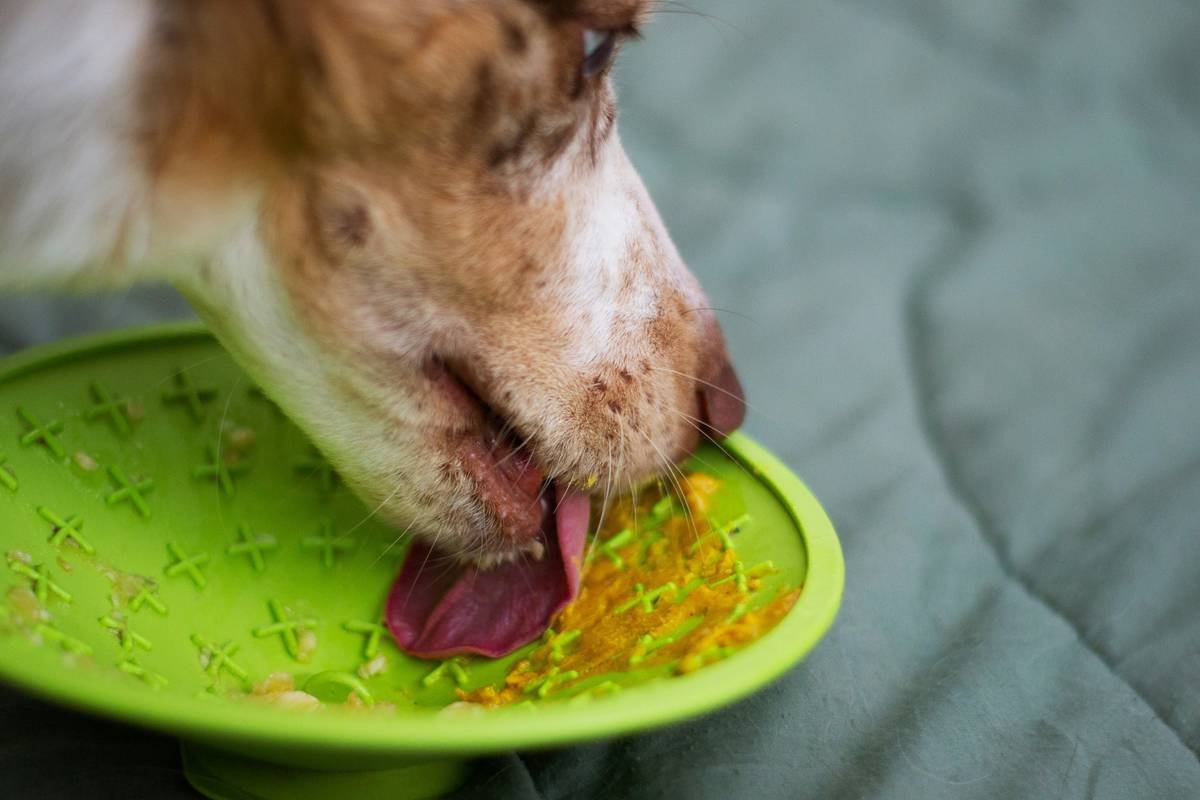
Optimist You: “My dog’s allergies vanished on pea-protein patties!”
Grumpy You: “Yeah, but did your vet check his blood taurine levels and cardiac biomarkers?”
How to Evaluate a Frozen Plant-Based Dinner for Safety & Nutrition
Not all frozen “plant based dinner” options are created equal. Here’s how to vet them like a pro—because your dog’s heart literally depends on it.
Does it meet AAFCO nutrient profiles for your dog’s life stage?
Look for this exact phrase on the label: “Complete and balanced according to AAFCO Dog Food Nutrient Profiles for [adult maintenance, growth, etc.].” If it says “intended for intermittent or supplemental feeding only”—put it back. That means it’s missing key nutrients.
Who formulated it—and how?
A reputable brand will disclose if a PhD animal nutritionist or board-certified veterinary nutritionist (DACVN) developed the recipe. Brands like Wild Earth and The Honest Kitchen publish third-party lab results and digestibility studies. Avoid companies that say “formulated with love” but won’t name their nutrition team.
What’s the protein source—and is it digestible?
Soy, peas, lentils, and chickpeas are common—but they must be processed to reduce anti-nutrients like phytates. Look for terms like “fermented soy” or “enzymatically hydrolyzed pea protein.” These increase bioavailability. Bonus points if the brand includes added taurine (>0.1%) and L-carnitine.
Is it truly complete—or just “mostly plants”?
Some brands sneak in egg, dairy, or fish oils to boost nutrients while still calling themselves “plant-based.” That’s fine—if disclosed. But if you’re avoiding all animal products (for ethical reasons or allergies), double-check the ingredient list.
Best Practices for Transitioning Your Dog to Plant-Based Frozen Meals
Switching diets too fast = diarrhea city. Here’s how to do it right:
- Week 1:** Mix 25% new frozen food (thawed) with 75% old food.
- Week 2:** 50/50 blend.
- Week 3:** 75% new, 25% old.
- Week 4:** Full plant-based dinner—if stools stay firm and energy stable.
Pro tip: Thaw portions overnight in the fridge, not on the counter. And never refreeze once thawed—bacteria love room-temp lentils as much as your dog does.
Also? Track subtle signs: coat shine, ear odor, stool consistency, and enthusiasm at mealtime. One client’s boxer stopped scratching within 10 days—but his vet later found low cobalamin (B12). We added a sublingual supplement, and now he’s thriving.
Real Case Studies: Dogs on Plant-Based Diets
Case 1: Luna, 5-year-old Border Collie with environmental + food allergies
After failing multiple prescription diets, Luna’s owner tried a frozen plant-based dinner with fermented fava beans and added taurine. Within 3 weeks, her skin cleared. Blood work at 6 months showed normal taurine, B12, and creatinine levels. She’s been on it for 2 years with annual vet checks.
Case 2: Bruno, 3-year-old Golden Retriever
Bruno’s owner switched to a trendy “vegan” frozen patty without consulting a vet. By month 4, he was lethargic and losing muscle mass. Blood tests revealed severe taurine deficiency. He was diagnosed with early-stage DCM. After switching back to a meat-based diet + taurine supplementation, his heart function improved—but it was a costly, scary lesson.
Moral? Plant-based can work—but only with rigorous formulation and veterinary oversight.
FAQs About Plant Based Dinner for Dogs
Can dogs survive on a plant-based diet?
Yes—but only if it’s nutritionally complete. Dogs aren’t obligate carnivores like cats. They can synthesize some nutrients from plants, but critical ones (taurine, B12, DHA) often require supplementation.
Are frozen plant-based dinners better than kibble?
“Better” depends on formulation, not format. A high-quality frozen meal may retain more moisture and avoid extrusion damage to nutrients—but a poorly balanced one is worse than a solid kibble. Always prioritize nutrient adequacy over processing method.
Will my dog like the taste?
Many do! Brands use savory yeast, pumpkin, and sweet potato to boost palatability. Freeze-dried toppers can also help during transition. Pro move: warm the meal slightly—it enhances aroma.
Is plant-based pet food more sustainable?
Generally, yes. Livestock production accounts for ~14.5% of global greenhouse gases (FAO). Plant-based pet foods can reduce environmental paw-print—but verify sourcing. Some rely heavily on water-intensive crops like almonds or avocados.
Conclusion
A plant based dinner for your dog isn’t inherently good or bad—it’s a tool. Like any specialized diet, its success hinges on science-backed formulation, proper transition, and ongoing veterinary partnership. If you’re exploring frozen plant-based options, prioritize AAFCO compliance, transparent nutrition teams, and regular health monitoring. And remember: your dog doesn’t care if dinner is vegan—he cares if it keeps him wagging, running, and stealing your socks.
Like a Tamagotchi, your dog’s diet needs daily attention—not just trendy labels.
Lentils simmer slow,
Taurine levels checked today—
Tail wags through the night.