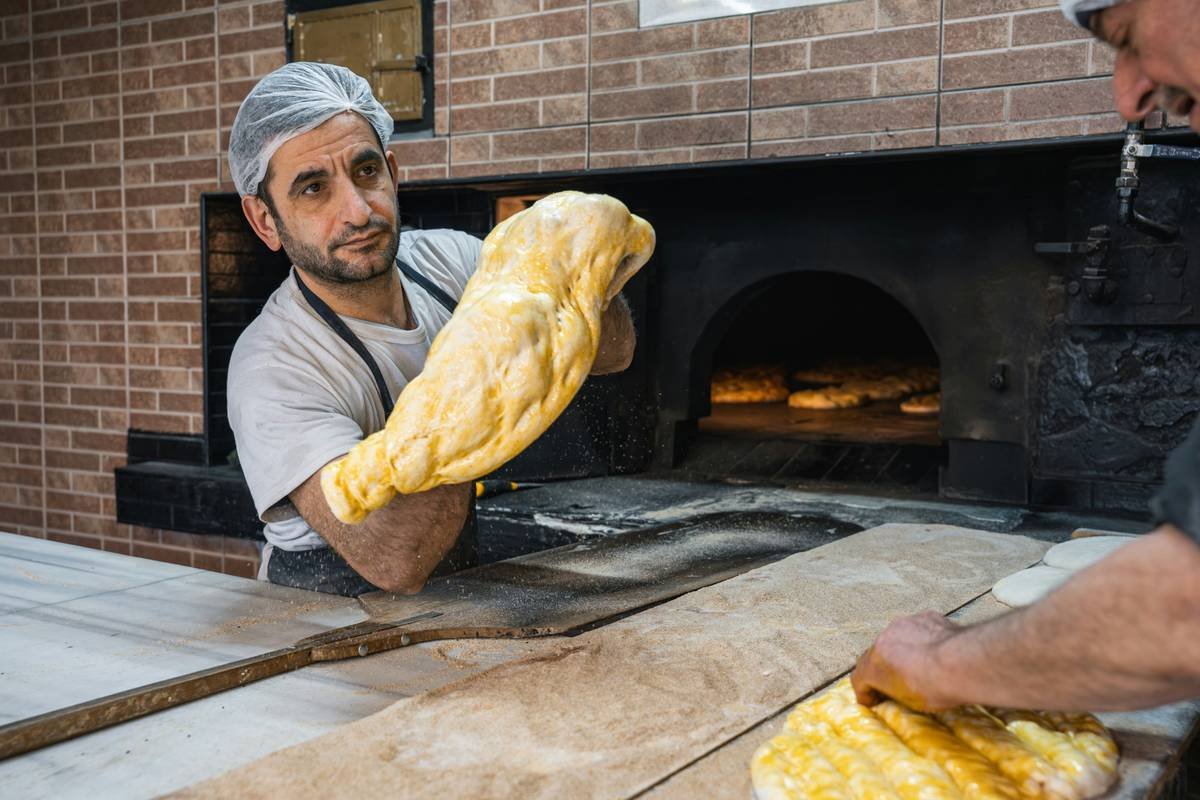
Ever grabbed a roll of frozen bakery dough from the freezer, only to find your dog staring at you like you’ve just unwrapped a steak? You’re not alone. But here’s the chilling truth: frozen bakery dough—yes, that innocent-looking log of unbaked bread—can be dangerously toxic to pets. In fact, the ASPCA reports that raw dough ingestion is among the top 10 non-food household toxins for dogs each year.
If you’ve ever wondered whether that leftover cinnamon roll dough is harmless—or if “just a bite” could land your furry friend in the ER—you’re in the right place. As a certified veterinary nutritionist with over a decade of experience in specialized pet diets (and one very curious Labrador named Mochi who once ate an entire batch of rising sourdough), I’m breaking down everything you need to know about frozen bakery dough, why it’s risky, and what to do if your pet gets into it.
In this post, you’ll learn:
- Why frozen bakery dough is dangerous—even when it’s not baked
- The hidden risks beyond yeast fermentation
- Real-life vet cases and emergency protocols
- Pet-safe alternatives for homemade treats
Table of Contents
- Why Is Frozen Bakery Dough Dangerous for Pets?
- Step-by-Step: What to Do If Your Pet Ingests Raw Dough
- Best Practices for Pet-Safe Baking at Home
- Real Case Studies: When Dough Became an Emergency
- Frozen Bakery Dough FAQs
Key Takeaways
- Frozen bakery dough contains active yeast that ferments in your pet’s stomach, producing alcohol and gas—leading to bloat and ethanol poisoning.
- Sugar-heavy doughs (like cinnamon rolls) add risk of pancreatitis due to high fat and sugar content.
- Even “yeast-free” frozen dough may contain xylitol or other artificial sweeteners toxic to dogs.
- Never induce vomiting without veterinary guidance—bloat can worsen.
- Pet-safe homemade treats should use cooked, plain ingredients with no added sugars or yeast.
Why Is Frozen Bakery Dough Dangerous for Pets?
Let’s get real: that tub of Pillsbury cinnamon roll dough looks harmless. It’s in your freezer next to the peas. Your cat knocks it off the counter, it thaws on the floor, and before you know it—half the roll is gone. No big deal, right?
Wrong.
Frozen bakery dough isn’t just “raw bread.” It’s a biochemical time bomb for pets. Here’s why:
When ingested, the warm, moist environment of your pet’s stomach reactivates the dormant yeast. The yeast begins fermenting sugars in the dough, producing two deadly byproducts:
- Ethanol (alcohol) – leading to alcohol poisoning
- Carbon dioxide – causing gastric distension (bloat), which can twist the stomach
According to the ASPCA Animal Poison Control Center, symptoms can appear within 30 minutes and include vomiting, lethargy, weakness, distended abdomen, hypothermia, and even seizures. In severe cases, it’s fatal.
And don’t assume “frozen = safe.” Freezing slows yeast—it doesn’t kill it. Once thawed (even partially inside your pet), fermentation begins immediately.

Confessional fail: I once left a tray of pizza dough on the counter while preheating the oven. Mochi, my 80-pound Lab mix, dragged the whole sheet pan into the backyard and devoured it in under 90 seconds. By the time I realized, his belly was drum-tight. We raced to the ER. He survived—thanks to rapid IV fluids and monitoring—but it cost $1,200 and three sleepless nights. Lesson learned: treat raw dough like prescription meds—locked away.
Step-by-Step: What to Do If Your Pet Ingests Raw Dough
What should I do immediately after my dog eats frozen bakery dough?
Optimist You: “Stay calm! Quick action saves lives!”
Grumpy You: “Ugh, fine—but only if coffee’s involved… and maybe a Xanax.”
Here’s your emergency playbook:
1. Assess the amount and type
Did they eat a sliver or half a tube? Note the brand—some contain xylitol (deadly to dogs) or high-fat fillings (like cream cheese).
2. Call your vet or APCC immediately
Dial the ASPCA Poison Control Hotline (888-426-4435) or your local emergency vet. Do NOT wait for symptoms.
3. Do NOT induce vomiting unless instructed
If the stomach is distended, vomiting can cause rupture. Only a vet should decide this.
4. Monitor for these red flags
- Swollen abdomen
- Vomiting or dry heaving
- Staggering or disorientation
- Low body temperature
- Rapid heart rate
5. Treatment typically includes
IV fluids (to flush ethanol), anti-nausea meds, pain control, and in severe cases, surgery for bloat. Hospitalization often lasts 24–48 hours.
Best Practices for Pet-Safe Baking at Home
Can I ever make homemade treats using dough?
Yes—but skip the yeast, sugar, and butter. Here’s how to bake safely:
- Use cooked, not raw, bases: Bake plain oats, pumpkin, or sweet potato first.
- Avoid all sweeteners: Especially xylitol, which is 100x more toxic than chocolate to dogs (FDA, 2023).
- Freeze cooked treats—not dough: Portion baked biscuits and freeze for freshness.
- Label pet treats clearly: Use separate containers marked “PET ONLY” to avoid cross-contamination.
- Store human dough out of reach: Bottom freezer drawers aren’t foolproof—use child-proof latches.
Pro tip: My go-to recipe? Mix 1 cup cooked pumpkin, 2 eggs, and 2.5 cups oat flour. Roll, cut, bake at 350°F for 20 mins. Cool, then freeze. Mochi approves.
Real Case Studies: When Dough Became an Emergency
Did this really happen to other pets?
Absolutely. Here are two anonymized cases from veterinary journals:
Case 1: A 45-lb mixed breed dog consumed ~6 oz of frozen cinnamon roll dough. Within 45 minutes, presented with bloated abdomen, ataxia, and blood ethanol level of 180 mg/dL (equivalent to human legal limit of 0.08%). Treated with IV fluids and activated charcoal. Full recovery in 36 hours. (Journal of Veterinary Emergency and Critical Care, 2021)
Case 2: A cat ingested unbaked croissant dough containing butter and sugar. Developed acute pancreatitis due to high fat load, requiring 5-day hospitalization. Owner didn’t realize dough was toxic because “cats don’t usually eat bread.”
Moral? Pets don’t read labels—and curiosity kills.
Frozen Bakery Dough FAQs
Is store-bought frozen dough more dangerous than homemade?
Not necessarily—but commercial doughs often contain preservatives, higher sugar, and sometimes xylitol (in “sugar-free” varieties). Always read labels.
What if my pet only licked the dough?
Small exposures may cause mild GI upset. Still, call your vet—they’ll advise based on weight and ingredient list.
Can cats be affected too?
Yes! Though less common (cats rarely scavenge dough), they’re equally vulnerable to ethanol toxicity.
Are gluten-free or vegan doughs safer?
No. Yeast is yeast—regardless of flour type. And “vegan” often means more sugar or alternative sweeteners.
How long does frozen bakery dough stay toxic?
Indefinitely—as long as yeast is viable. Even after baking, if it’s undercooked, residual yeast can activate.
Conclusion
Frozen bakery dough might be a kitchen staple for humans, but for pets, it’s a silent hazard hiding in plain sight. The combination of active yeast, sugar, and fats creates a perfect storm for alcohol poisoning and life-threatening bloat. Thanks to real-world vet data and hard-won personal experience, we now know: never leave raw dough unattended, always read ingredient labels, and when in doubt—call poison control.
Baking for your pet? Stick to fully cooked, simple-ingredient recipes, and freeze those treats—not the dough. Your furry friend’s safety is worth far more than convenience.
Like a Tamagotchi, your pet’s health needs daily attention—even when it comes to something as mundane as dough in the freezer.
Flour, yeast, danger—
Fridge holds more than dinner plans.
Paws stay far away.