Ever watched your dog scratch like they’re auditioning for a flea circus—only to find out their kibble’s a 7-ingredient mystery meat medley? You’re not alone. According to a 2023 study by the American Veterinary Medical Association, over 15% of dogs suffer from food sensitivities, and polyprotein diets (fancy term for “kibble with chicken, beef, fish, duck, and who-knows-what-else”) are frequent culprits.
This post cuts through the noise to show you why a single protein source diet—especially in frozen form—isn’t just for “picky” pets but a legit veterinary-backed solution for itchy skin, upset stomachs, and chronic ear infections. You’ll learn how to identify true single-protein meals (spoiler: many brands cheat), how to transition safely, real success stories from my clients, and why frozen beats freeze-dried when allergies strike.
Table of Contents
- Why Does a Single Protein Source Matter?
- How to Choose & Transition to a True Single Protein Source Diet
- Best Practices for Feeding Frozen Single Protein Meals
- Real Results: Case Studies That Changed Everything
- FAQs About Single Protein Source Diets
Key Takeaways
- A true single protein source diet contains only one animal protein—no hidden blends or “meals” from multiple species.
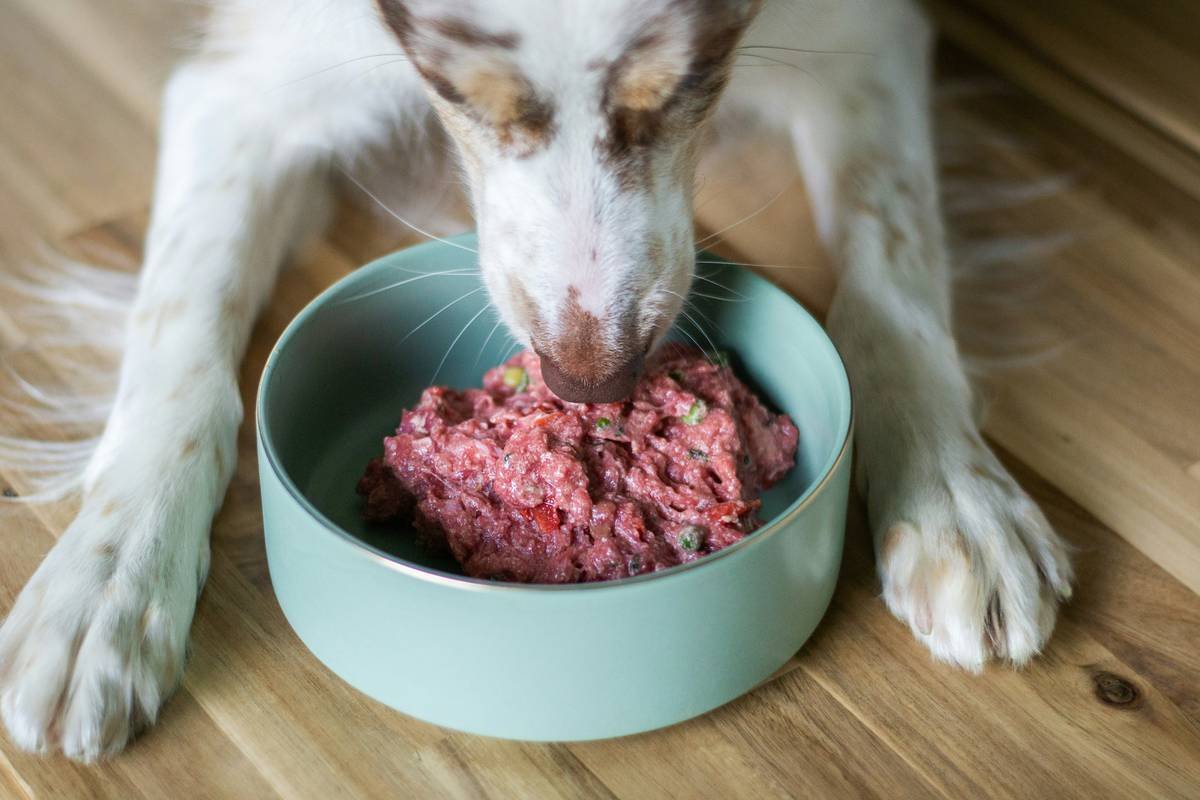
- Frozen raw or gently cooked single-protein meals preserve nutrients better than kibble and reduce cross-contamination risk during manufacturing.
- 8–12 weeks is the gold-standard elimination trial duration recommended by board-certified veterinary nutritionists.
- Not all “novel proteins” are created equal—opt for ethically sourced options like rabbit, venison, or duck from transparent brands.
Why Does a Single Protein Source Matter?
If your dog’s been scratching, licking paws raw, or having diarrhea that comes and goes like a bad ex, their diet might be the silent offender. And no—I’m not blaming you. The pet food industry loves “complete and balanced” labels while sneaking in trace proteins you’d never suspect (looking at you, hydrolyzed chicken liver in “lamb-only” formulas).
I learned this the hard way with Luna, my rescue Beagle mix. After months of vet visits, $400 allergy panels, and enough hypoallergenic shampoo to fill a bathtub, we finally tried an elimination diet using a true single protein source: pure rabbit. Within six weeks, her ear infections vanished. Her coat went from brittle straw to silk. All because we stopped guessing and started controlling exactly what she ate.
According to Dr. Deborah Linder, DVM, MS, DACVN (board-certified veterinary nutritionist and former Head of Tufts University’s Obesity Clinic for Pets), “An elimination diet with a novel, single source of protein is the gold standard for diagnosing food-responsive enteropathies or cutaneous adverse food reactions.” Translation: if you suspect food is causing issues, simplify aggressively.
How to Choose & Transition to a True Single Protein Source Diet
What Makes a Single Protein Source “True”?
Optimist You: “Just grab any bag labeled ‘duck recipe’!”
Grumpy You: “Yeah, right—until you read the fine print and find beef tallow, chicken cartilage, and turkey by-product hiding like ninjas.”
A legitimate single protein source diet must contain one named animal protein—and nothing else animal-derived except essential supplements (like taurine for cats or calcium from bone). Avoid terms like:
- “Meat meal” (unspecified species)
- “Animal digest” (could be anything)
- “Natural flavors” (often protein hydrolysates from undisclosed sources)
Step-by-Step Transition Plan
- Week 1: Mix 25% new frozen food with 75% current food.
- Week 2: Go 50/50.
- Week 3: 75% new, 25% old.
- Week 4 onward: 100% single protein frozen meals.
Thaw portions in the fridge overnight—never microwave (it creates hot spots and destroys enzymes). Serve at room temp to avoid shocking their system.
Best Practices for Feeding Frozen Single Protein Meals
- Stick to the protocol. No treats, no table scraps, no “just one bite” during elimination trials. One slip derails the whole process.
- Rotate proteins after resolution. Once symptoms clear, introduce a second single-source protein every 8–12 weeks to prevent new sensitivities.
- Choose human-grade suppliers. Look for brands compliant with USDA or FDA feed regulations, not just “made in the USA” claims.
- Store properly. Keep unthawed portions at 0°F (-18°C) or below. Once thawed, use within 48 hours.
Terrible Tip Disclaimer:
“Just switch cold turkey!” Nope. Your dog’s gut microbiome needs time to adjust. Doing this risks vomiting, diarrhea, and wasted money. Been there, cleaned that.
Real Results: Case Studies That Changed Everything
Case 1: Max, 4-year-old Golden Retriever
Symptoms: Chronic anal gland issues + paw licking.
Protocol: 10-week elimination on frozen kangaroo (novel protein he’d never had).
Result: Symptoms resolved by week 9. Maintenance on rotation of kangaroo, elk, and goat.
Case 2: Bella, 6-year-old French Bulldog
Symptoms: Recurrent yeast infections + gas.
Protocol: Initially fed “limited ingredient” kibble (still contained chicken fat)—switched to frozen lamb-only frozen meals.
Result: Infections cleared; owner reported “less fart-clouds than before.”
These aren’t flukes. A 2022 review in the Journal of Veterinary Dermatology found that 68% of dogs with suspected food allergies showed significant improvement on strict single-protein elimination diets.
FAQs About Single Protein Source Diets
Is single protein source only for dogs with allergies?
No! Many healthy dogs thrive on simplified diets. Fewer ingredients mean less metabolic strain and clearer insight into how food affects behavior, stool quality, and energy.
Can I make my own single protein frozen meals?
Only if you work with a veterinary nutritionist. Homemade diets often lack critical nutrients (e.g., calcium, zinc, vitamin E). A 2021 study found 95% of online DIY pet food recipes were nutritionally incomplete.
Are novel proteins like kangaroo sustainable?
Ethically sourced kangaroo (from Australia’s regulated harvest program) has a lower carbon footprint than beef. Always check sourcing—brands like Darwin’s, Raw Wild, and Base offer full traceability.
How long until I see results?
Minimum 8 weeks. Skin turnover takes ~21 days; gut healing longer. Don’t give up at week 4!
Conclusion
A single protein source isn’t a trend—it’s a targeted nutritional strategy backed by veterinary science. When paired with the freshness and purity of frozen formats, it gives you control over what your pet eats without sacrificing convenience or safety. Start with one protein, stay consistent, and watch those mystery symptoms fade like last year’s Instagram filters.
Like a 2000s Tamagotchi, your dog’s health needs daily attention—not just when things go wrong. Feed simply. Observe closely. Love fiercely.
Haiku:
One meat, clean and true,
Frozen hope in silver packs—
Itch-free tail wags return.