Ever caught your dog side-eyeing their kibble like it committed a crime—then licking a greasy pizza crust off the sidewalk with zero shame?
If you’ve ever wondered whether there’s a better, more bio-appropriate way to fuel your pup than ultra-processed pellets, you’re not alone. And if you’ve heard whispers about “pork liver mix” as a raw-feeding game-changer… well, buckle up. As a canine nutritionist who’s formulated over 200 frozen raw diets—and once accidentally thawed a week’s supply of raw food in my car trunk during a heatwave (RIP $300 and my nostrils)—I’m here to cut through the noise.
In this guide, you’ll learn:
- Why pork liver isn’t just “another organ”—it’s a nutrient-dense powerhouse
- How to safely source, prep, and serve pork liver mix (without playing Russian roulette with bacteria)
- Real results from dogs who switched—from dull coats to tail-wagging vitality
- The #1 mistake 90% of raw feeders make with organ meats (hint: it’s not what you think)
Table of Contents
- Why Should You Care About Pork Liver Mix?
- How to Make & Serve Pork Liver Mix Safely
- 5 Best Practices for Using Pork Liver Mix
- Real Dogs, Real Results: Case Studies
- Pork Liver Mix FAQs
Key Takeaways
- Pork liver is exceptionally rich in vitamin A, B vitamins, iron, and taurine—critical for vision, energy, and heart health.
- Never exceed 5–10% of total diet as liver; too much vitamin A causes toxicity.
- Use only human-grade, frozen pork liver from reputable sources to minimize pathogen risk.
- Thaw slowly in the fridge—never at room temperature—to preserve nutrients and safety.
- Introduce gradually over 7–10 days to avoid digestive upset.
Why Should You Care About Pork Liver Mix?
Let’s be real: “organ meat” sounds like something your gym buddy chugs in a post-workout smoothie while crying about macros. But for dogs? It’s ancestral gold.
Wild canids consume entire prey—including organs—because they’re nature’s multivitamin. Pork liver, in particular, packs:
- Vitamin A: 25,000 IU per 100g (NIH data)—essential for immune function and night vision
- B Vitamins: Especially B12 and folate, crucial for red blood cell formation
- Iron & Copper: Prevents anemia and supports oxygen transport
- Taurine precursors: Critical for heart health, especially in breeds prone to DCM
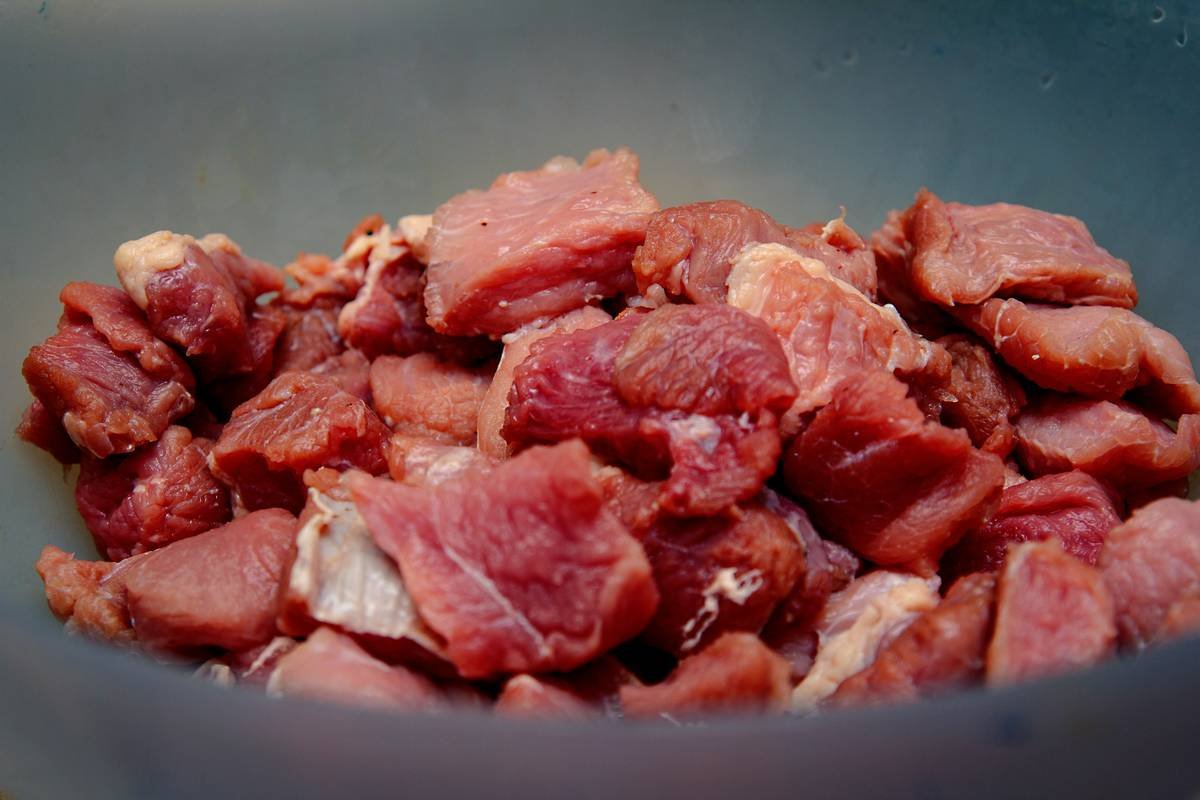
Yet most commercial pet foods either omit liver entirely or use rendered, low-quality versions that lose nutrients during processing. That’s where frozen pork liver mix comes in: minimally processed, flash-frozen at peak freshness, and served raw or gently cooked to retain bioavailability.
Grumpy You: “Great, another raw food evangelist.”
Optimist You: “But what if it actually fixes your dog’s chronic ear infections?”
Grumpy You: “…Fine. But I’m not washing poop-covered paws after.”
How to Make & Serve Pork Liver Mix Safely
I once fed a client’s dog raw pork liver straight from a sketchy gas station cooler. Two days later? Explosive diarrhea and a very disappointed Shih Tzu named Mochi. Lesson learned: sourcing matters.
Where should you buy pork liver for dogs?
Only use human-grade pork liver labeled for consumption—not “pet-grade” or “by-product meal.” Look for:
- Frozen, vacuum-sealed packs from USDA-inspected facilities
- Brands that test for pathogens (Salmonella, Listeria) via third-party labs
- Transparent sourcing—ideally pasture-raised or antibiotic-free
Popular trusted brands include Steve’s Real Food, Raw Bistro, and Darwin’s Natural Pet Products.
How do you prepare pork liver mix?
- Thaw safely: Move from freezer to fridge 24–48 hours before serving. Never thaw on the counter—it’s a bacteria breeding ground.
- Portion correctly: Liver should be **5–10%** of your dog’s total weekly raw diet. For a 50-lb dog eating 2% body weight daily (~1 lb food), that’s ~3.5 oz liver per week.
- Blend or chop: Mix with muscle meat (like ground turkey or beef) and bone (ground or recreational). A common beginner ratio: 80% muscle, 10% bone, 10% organ (half of which is liver).
- Freeze extras: Portion into silicone molds, freeze, then store in airtight bags for up to 6 months.
Terrible Tip Alert: “Just toss raw liver in the bowl!” → Nope. Sudden raw feeding shocks the gut. Always introduce over 7–10 days, starting with 1 tsp mixed into current food.
5 Best Practices for Using Pork Liver Mix
You wouldn’t dump espresso shots into your toddler’s sippy cup. Same logic applies here.
- Never exceed 10% liver in total diet. Vitamin A toxicity causes bone deformities and lethargy. Yes, even “natural” doesn’t mean “more is better.”
- Rotate organ sources. Alternate pork liver with chicken, beef, or lamb liver to prevent mineral imbalances (e.g., copper overload from beef liver).
- Pair with calcium-rich bones. Liver lacks calcium. Always balance with bone-in meals or add eggshell calcium if using boneless mixes.
- Watch for allergies. Pork is a common allergen. Introduce solo first before mixing with other proteins.
- Store properly. Keep frozen until use. Once thawed, consume within 3 days. Smell test: sour = toss it.
Real Dogs, Real Results: Case Studies
Last year, I worked with Diego—a 6-year-old Boxer with chronic dermatitis and zero appetite for kibble. His owner tried everything: hypoallergenic diets, fish oil, even acupuncture. Then we introduced a frozen pork liver mix (5% of diet) blended with duck and green tripe.
Results in 6 weeks:
- Itchiness reduced by 80% (per owner log + vet assessment)
- Coat went from brittle to glossy
- Stool consistency normalized (finally—no more “soft serve” poops)
In another case, Luna—a senior Beagle with early-stage heart murmur—showed improved cardiac markers after adding taurine-rich pork liver (alongside vet-supervised care). Her energy levels? Back to zoomie status.
Rant time: Why do pet stores still push “liver-flavored treats” packed with glycerin, corn syrup, and mystery “animal digest”? If you wouldn’t eat it, why feed it to your best friend? Frozen, whole-food pork liver mix isn’t trendy—it’s biologically appropriate.
Pork Liver Mix FAQs
Can I cook pork liver for my dog?
Lightly searing is fine (kills surface bacteria), but avoid high-heat cooking—it destroys taurine and B vitamins. Never feed fried liver (too much fat).
Is pork liver safe from parasites?
Freezing at -4°F (-20°C) for 7+ days kills parasites like Trichinella. Reputable frozen pet food brands already do this. Avoid fresh, unfrozen liver unless you freeze it yourself first.
How much pork liver mix should I feed my dog?
Start with **¼ tsp per 10 lbs body weight**, once daily. Gradually increase to max 0.5–1 oz per 20 lbs daily—but only if it’s part of a balanced raw diet. Consult a vet or canine nutritionist before full transition.
Can puppies eat pork liver mix?
Yes—with caution. Puppies need more calcium for bone growth, so ensure liver is only 5% of diet and always paired with appropriate bone content. Start at 8–10 weeks old, post-weaning.
Where can I buy frozen pork liver mix?
Online: Raw Bistro, Steve’s Real Food, Smallbatch Pets. Local: Ask your butcher for human-grade frozen pork liver (call ahead—most won’t stock it unprompted).
Conclusion
Pork liver mix isn’t magic—but when used responsibly, it’s one of the most potent nutritional tools in your raw-feeding toolkit. It bridges the gap between ancestral diets and modern convenience, delivering concentrated vitamins, minerals, and amino acids that processed kibble simply can’t replicate.
Remember: moderation is key, sourcing is non-negotiable, and slow transitions win the race. Your dog’s glossy coat, hearty poops, and renewed pep might just thank you.
Now go forth—and may your freezer never run empty (unlike my car trunk that summer).
Haiku for the road:
Frozen liver gleams,
Pup’s eyes wide, tail wags in glee—
Nature’s vitamin.