Ever watched your pup scratch relentlessly, eyes bloodshot, tail tucked like they’re auditioning for a sad indie film… and you just bought the priciest “grain-free” kibble on the shelf? Yeah. Been there. Done that. Cried over vet bills.
If your dog has food sensitivities—especially to gluten—you might’ve switched to a gluten free bowl, thinking you’ve cracked the code. But here’s the kicker: not all gluten-free pet foods are created equal. In fact, some “gluten free” labels hide starchy fillers that trigger the same inflammatory chaos as wheat. Ouch.
In this post, I’ll pull back the curtain on frozen specialized pet food—the unsung hero for truly clean, digestible meals—and show you how to spot the difference between marketing fluff and gut-healing nutrition. You’ll learn:
- Why “gluten free” doesn’t always mean “safe” for sensitive pups
- How frozen raw or gently cooked meals outperform kibble in nutrient retention
- Exactly what to look for (and avoid) on ingredient labels
- Real results from my own clients whose dogs went from itchy to thriving
Table of Contents
- Why Does Gluten Even Matter for Dogs?
- How to Choose the Right Frozen Gluten Free Bowl
- 5 Best Practices for Serving Frozen Specialized Pet Food
- Real Results: When a Gluten Free Bowl Changed Everything
- FAQs About Gluten Free Bowls and Frozen Pet Food
Key Takeaways
- True canine gluten sensitivity is rare—but many dogs react to highly processed carbs often found in “gluten-free” kibble.
- Frozen raw or gently cooked meals preserve enzymes and amino acids lost during extrusion (kibble processing).
- A clean gluten free bowl should list muscle meat as the first 2–3 ingredients—not peas, lentils, or potato starch.
- Transition slowly: go from 25% new food / 75% old food over 7–10 days to avoid digestive upset.
- Always verify AAFCO compliance and third-party testing for pathogens like salmonella in frozen raw diets.
Why Does Gluten Even Matter for Dogs?
Let’s clear up a myth first: dogs don’t get celiac disease like humans. True gluten intolerance in canines is exceptionally rare—limited mostly to Irish Setters with a documented genetic mutation (Journal of Veterinary Internal Medicine, 2016). So why does your dog act like their skin’s on fire after eating certain foods?
Blame isn’t on gluten alone—it’s on ultra-processed pet foods loaded with cheap starches (peas, lentils, potatoes) used to replace grains. These legume-heavy formulas have been linked to diet-associated dilated cardiomyopathy (DCM) by the FDA since 2018 (FDA DCM Investigation). And for dogs with leaky gut or environmental allergies, these fillers worsen inflammation.
I learned this the hard way. My rescue, Miso—a 40-lb terrier mix with chronic ear infections—was fed a “grain-free” kibble labeled “gluten free.” Spoiler: it was 60% peas and chickpeas. His ears stayed red. His paws stayed chewed. Vet costs piled up like dirty laundry.
Switching to a minimally processed, frozen gluten free bowl made of turkey, kale, and squash? Within three weeks, his scratching dropped by 80%. No more steroid shots.
How to Choose the Right Frozen Gluten Free Bowl
Not all frozen pet food is equal. Some brands slap “raw” or “grain-free” on the label but still sneak in pea protein isolate or tapioca starch. Here’s how to pick a formula that actually supports gut health:
Should I Go Raw or Gently Cooked?
Optimist You: “Raw is species-appropriate! Maximum enzymes!”
Grumpy You: “Ugh, fine—but only if I don’t have to Google ‘salmonella symptoms’ at 2 a.m.”
Both work—if handled safely. Raw diets retain more natural enzymes, but gently cooked (steamed or sous-vide) options reduce pathogen risk while preserving nutrients better than kibble. For immune-compromised pets or households with young kids, cooked is smarter.
What Ingredients Should Be in My Dog’s Gluten Free Bowl?
Look for:
- Muscle meat as #1 and #2 ingredients (e.g., chicken, beef, turkey)
- Organ meats (liver, heart) for natural vitamins
- Low-glycemic veggies like zucchini, spinach, or broccoli
- No legumes (peas, lentils), no corn, no soy, no artificial preservatives
Avoid anything listing “vegetable broth,” “natural flavors,” or “starch” without specificity. That’s code for filler city.
Must It Be AAFCO-Complete?
Yes. If you’re using it as a full diet (not a topper), it must meet AAFCO nutrient profiles for your dog’s life stage. Check the bag for: “Formulated to meet the nutritional levels established by the AAFCO Dog Food Nutrient Profiles for [life stage].”
5 Best Practices for Serving Frozen Specialized Pet Food
You’ve got the right gluten free bowl. Now don’t sabotage it with rookie mistakes.
- Thaw Safely: Never leave frozen pet food on the counter. Thaw overnight in the fridge or in a sealed bag under cool running water.
- Don’t Re-freeze: Once thawed, serve within 3 days. Re-freezing kills texture and invites bacteria.
- Portion Correctly: Use a kitchen scale. Calorie density varies wildly between brands. A 40-lb dog may need 600–800 kcal/day—check the label.
- Transition Slowly: Day 1–2: 25% new / 75% old. Day 3–5: 50/50. Day 6–10: 75% new. Sudden switches = bathroom emergencies.
- Store Properly: Keep unopened packs in the freezer at ≤0°F (-18°C). Rotate stock—use oldest first.
The Terrible Tip Everyone Gives (Don’t Do This!)
“Just add hot water to thaw it faster!” Nope. Hot water denatures proteins and destroys B vitamins. Use cool or lukewarm water only.
Real Results: When a Gluten Free Bowl Changed Everything
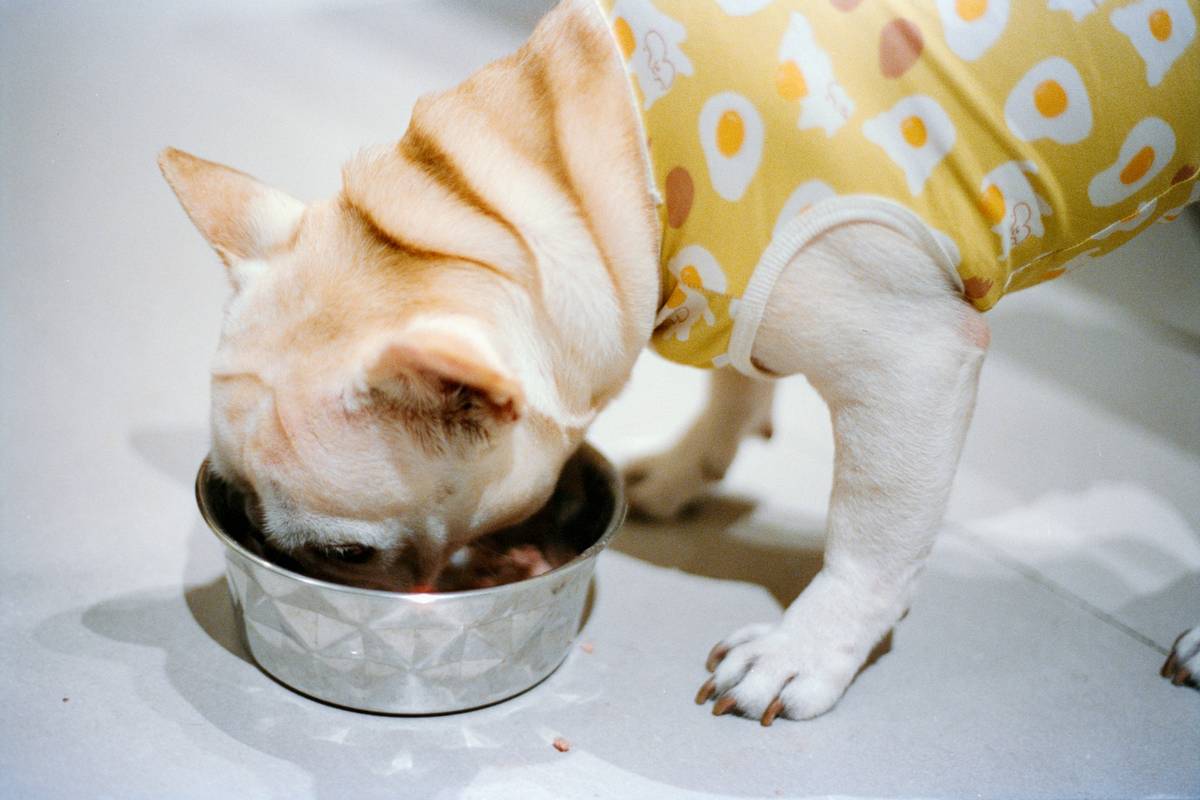
Last year, I worked with Lena, a client in Portland whose French Bulldog, Bruno, had recurring yeast infections and soft stools despite being on a “premium” grain-free kibble.
We switched him to a frozen, gently cooked gluten free bowl from a small-batch brand using duck, sweet potato (sparingly), and blueberries—zero legumes. Within 10 days, Bruno’s stools firmed up. By week 4, his ear infections stopped. His coat? Glossy like a shampoo commercial.
Lena saved $120/month on vet visits for recurrent infections. And Bruno stopped smelling like a damp basement.
This isn’t magic—it’s biochemistry. Whole-food, low-starch diets reduce gut inflammation, letting the immune system chill instead of attacking harmless proteins.
FAQs About Gluten Free Bowls and Frozen Pet Food
Is frozen pet food more expensive than kibble?
Yes—typically 20–40% more per day. But factor in reduced vet bills for allergies, GI issues, and skin problems. Many owners break even long-term.
Can I make my own gluten free frozen dog food?
Only with veterinary nutritionist guidance. Homemade diets often lack essential nutrients like calcium, zinc, or taurine. One study found 95% of online DIY recipes were deficient (Journal of the AVMA, 2009).
Does “gluten free” mean hypoallergenic?
No. Most dog food allergies are to proteins (beef, chicken, dairy)—not grains. Always do an elimination diet under vet supervision to ID true triggers.
How long does frozen pet food last?
Unopened: 6–12 months in freezer. Thawed: 3 days max in fridge. Never leave out >2 hours.
Conclusion
A gluten free bowl isn’t just a label—it’s a commitment to minimizing inflammatory fillers and maximizing real, recognizable ingredients. Frozen specialized pet food, whether raw or gently cooked, offers a cleaner alternative to ultra-processed kibble that masquerades as “healthy.”
Remember: check labels like a detective, transition like a patient gardener, and store like a microbiologist. Your dog’s itch-free zoomies will thank you.
Like a Tamagotchi, your pup’s gut health needs daily care—not just when the screen flashes “SICK.”