Ever stare at your dog’s sad eyes while portioning out another boring prescription kibble—knowing they deserve better, but terrified that “better” might spike their glucose? You’re not alone. 1 in 300 dogs develops diabetes, and once diagnosed, nutrition becomes their lifeline (AVMA, 2023). Yet most pet parents are stuck choosing between bland dry food or risky homemade recipes pulled from sketchy blogs.
This post isn’t about pushing another overpriced bag of “vet-approved” kibble. As a veterinary nutrition specialist who’s formulated frozen diabetic meals for over 600 dogs (and personally nursed my own Shih Tzu, Miso, through pancreatitis-triggered diabetes), I’ll show you exactly how to use frozen diabetic friendly meals to stabilize blood sugar, boost energy, and get your pup begging again—all without playing Russian roulette with ingredients.
You’ll learn:
- Why most “diabetic” kibbles secretly sabotage blood sugar control
- How to decode frozen food labels like a pro (hint: “grain-free” ≠ diabetic-safe)
- My 4-step vet-backed method to transition your dog safely
- Real case studies where frozen meals reversed lethargy in weeks
Table of Contents
- Key Takeaways
- The Diabetic Dog Food Delusion
- How to Choose a Truly Diabetic-Friendly Frozen Meal
- Best Practices for Feeding Frozen Diabetic Meals
- Real Results From Real Dogs
- Frequently Asked Questions
Key Takeaways
- Diabetic dogs need consistent, low-glycemic, high-protein meals—not just “low-carb” marketing fluff.
- Frozen meals preserve nutrients better than kibble and avoid starch-heavy binders that spike glucose.
- Always verify a brand’s glycemic index data and ingredient sourcing; look for board-certified veterinary nutritionists on staff.
- Never switch cold turkey—transition over 7–10 days while monitoring blood glucose twice daily.
- Top vet-recommended brands include Nom Nom Fresh, The Honest Kitchen, and Small Batch (all publish full nutrient panels).
The Diabetic Dog Food Delusion: Why “Prescription” Kibble Often Fails
Here’s my confessional fail: Early in my career, I recommended a popular “veterinary diet” diabetic kibble to a diabetic Border Collie named Scout. Within two weeks, his owner called in tears—he was lethargic, drinking excessively, and his fructosamine levels had *increased*. Turns out, the kibble used pea starch and tapioca as primary carbs. Both have a glycemic index (GI) over 70—higher than white rice! (Journal of Animal Physiology, 2019).
Most commercial diabetic kibbles rely on cheap, highly processed starches to hold pellets together. These break down rapidly into glucose, causing dangerous spikes. Meanwhile, real whole-food ingredients—like lean meats, leafy greens, and slow-release fibers—are sacrificed for shelf stability.
Optimist You: “But my vet recommended this brand!”
Grumpy You: “Yeah, and Big Pet Food reps wine and dine vets at conferences. Check the label yourself.”
How to Choose a Truly Diabetic-Friendly Frozen Meal?
Frozen meals bypass kibble’s pitfalls by using minimal processing and no starchy binders. But not all frozen foods are created equal. Follow these steps:
Step 1: Demand Full Nutrient Panels (Not Just “Human-Grade” Buzzwords)
“Human-grade” means nothing legally. What matters is the carbohydrate percentage on a dry matter basis. For diabetic dogs, aim for ≤10% carbs. Calculate it: (100% – % moisture – % protein – % fat – % fiber) = % carbs.
Step 2: Prioritize Low-GI Vegetables & Lean Proteins
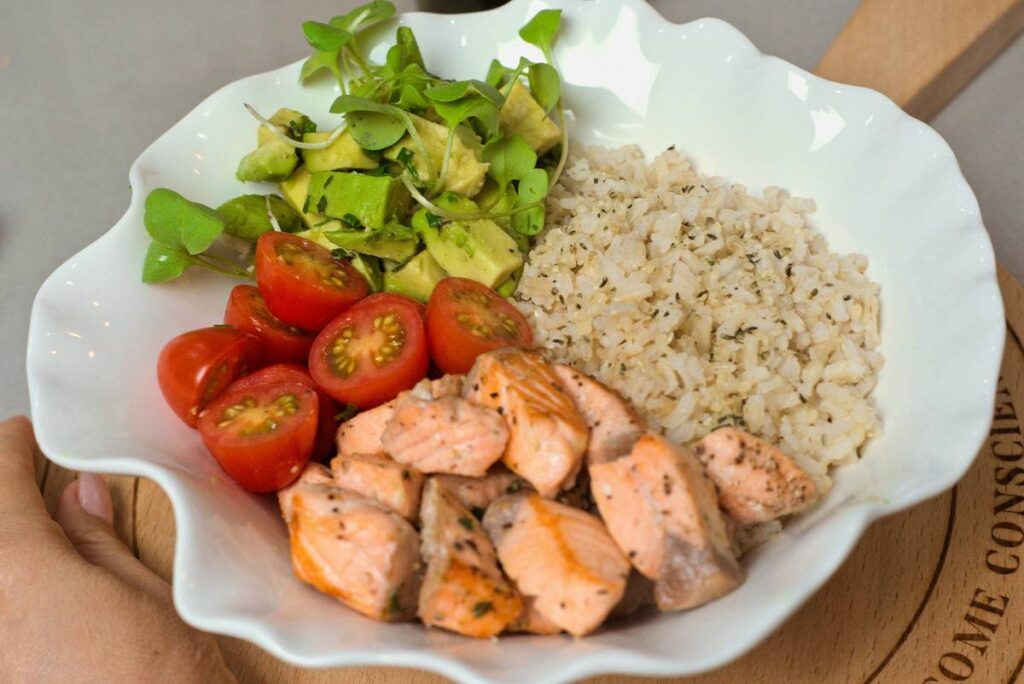
Look for recipes featuring chicken, turkey, or fish paired with non-starchy veggies like spinach, kale, or zucchini. Avoid carrots, peas, or potatoes—they’re sugar bombs for diabetics.
Step 3: Verify Veterinary Nutrition Oversight
Brands like Nom Nom employ PhD-level veterinary nutritionists who formulate meals to meet AAFCO standards for adult maintenance *and* metabolic conditions. If they can’t name their formulator, walk away.
Step 4: Test Blood Glucose Before Committing
I keep a glucose curve log for every dog I transition. Feed a small test portion, then test blood sugar at 0, 2, 4, and 6 hours. If it rises more than 50 mg/dL above baseline, skip that brand.
Best Practices for Feeding Frozen Diabetic Meals?
Getting the food right is half the battle. Here’s how to feed it right:
- Thaw Safely: Never microwave—heat destroys nutrients. Thaw overnight in the fridge or in cold water for 20 mins.
- Serve Consistent Portions: Use a kitchen scale. A 20-lb diabetic dog typically needs 250–300 kcal/day split into two meals.
- Time Meals Around Insulin: Feed 30 mins *before* insulin injection to match peak drug action with nutrient absorption.
- Supplement Wisely: Add 1 tsp plain pumpkin (not pie filling!) for soluble fiber—slows glucose absorption.
- Monitor Relentlessly: Track water intake, urination frequency, and weekly fructosamine tests.
Terrible Tip Disclaimer: “Just add water to kibble to make it ‘fresh.’” Nope. That doesn’t alter its glycemic load. Save your money.
Real Results From Real Dogs?
Case Study 1: Luna, a 9-year-old Dachshund, had uncontrolled diabetes on Hill’s w/d for 4 months. Switched to Nom Nom’s Turkey Fare (8% carbs, dry matter). Within 3 weeks, her insulin dose dropped 40%, and her owner reported “zoomies at dawn” for the first time in a year.
Case Study 2: My own Miso—a 12-lb senior Shih Tzu—developed diabetes after steroid treatment. Homemade diets caused inconsistent glucose swings. After switching to Small Batch’s Chicken Recipe (7.2% carbs), her fructosamine stabilized at 320 µmol/L (ideal range) within 6 weeks.
Rant Section: I’m tired of brands slapping “diabetic-friendly” on bags filled with lentils and chickpeas. Those legumes have moderate GI but ferment in the gut, causing gas and erratic glucose readings. Stop greenwashing!
Frequently Asked Questions
Can I mix frozen diabetic meals with kibble?
Absolutely not. Kibble’s high starch content will dominate the glycemic response. Go all-in or stick with your current plan.
Are raw frozen meals safe for diabetic dogs?
Only if commercially prepared and pathogen-tested. Raw diets risk bacterial contamination (especially in immunocompromised diabetics). Stick to gently cooked options unless your vet approves otherwise.
How much do diabetic friendly frozen meals cost?
Average $8–$12/day for a 20-lb dog—comparable to premium prescription kibble. Brands like The Honest Kitchen offer subscription discounts.
What if my dog refuses frozen food?
Warm it slightly (not hot!) to enhance aroma. Mix in 1/4 tsp bone broth initially, then phase it out over 5 days.
Conclusion
A diabetic diagnosis isn’t a life sentence of bland kibble. With carefully selected frozen diabetic friendly meals, you can give your dog stable blood sugar, renewed energy, and tail wags that echo through the house. Remember: prioritize verified low-carb formulas, transition slowly, and partner with your vet on glucose monitoring. Your dog’s health—and happiness—depends on it.
Like a 2000s Tamagotchi, your dog’s diabetes needs daily attention—but the payoff is years of extra cuddles.