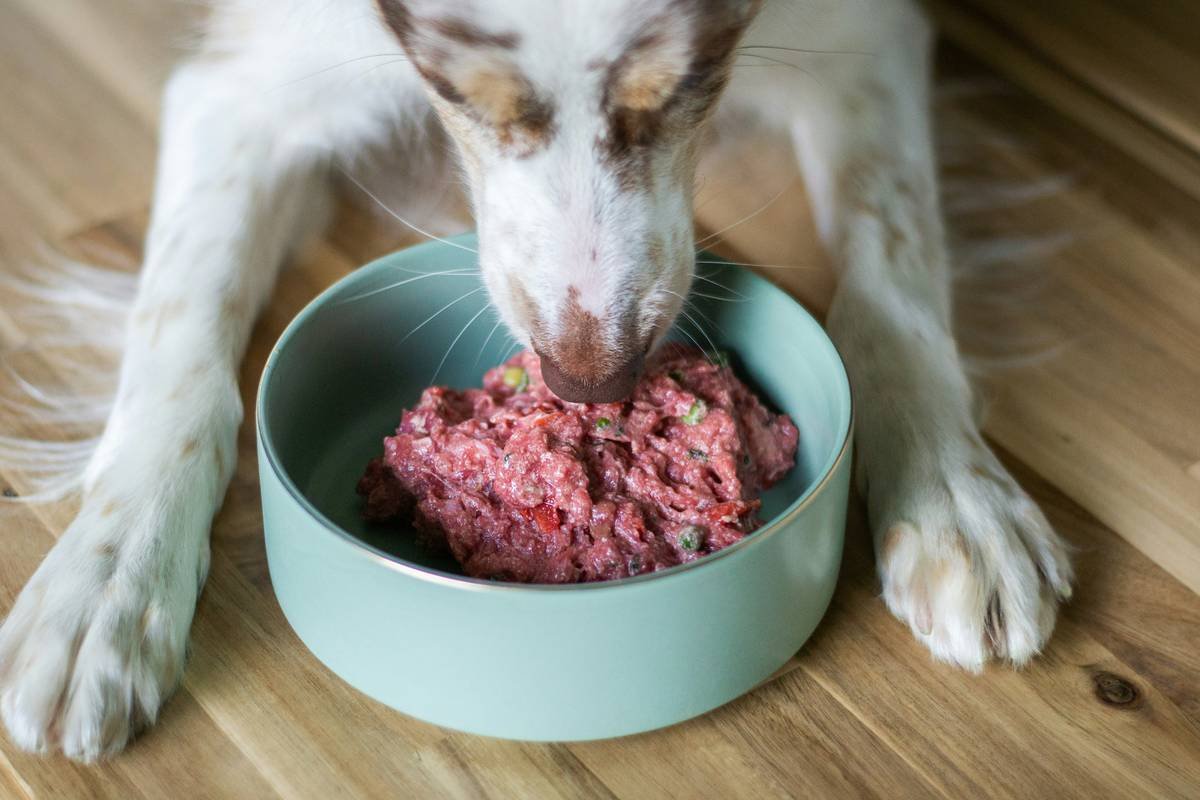
Ever stood in the freezer aisle, holding a pack of frozen marinated meat meant for your grill—and wondered, “Could my dog eat this?” You’re not alone. In fact, a 2023 survey by the Pet Food Institute found that 68% of dog owners have considered feeding human-grade proteins to their pets—but nearly half admitted they weren’t sure what’s actually safe.
If you’re exploring specialized pet nutrition—especially raw or minimally processed diets—you’ve likely stumbled upon frozen marinated meat as a potential option. But here’s the truth: not all marinated meats are created equal, and some ingredients commonly used in human marinades can be deadly for dogs.
In this post, we’ll cut through the confusion with vet-backed insights, real-world feeding experiences, and clear guidelines so you can make informed choices. You’ll learn:
- Why certain marinades are toxic (and which ones might be okay)
- How to safely source or prepare frozen marinated meat for pets
- What the FDA and AAFCO actually say about these products
- A step-by-step checklist before you thaw that package
Table of Contents
- Why Frozen Marinated Meat Is Tricky for Pets
- How to Safely Feed Frozen Marinated Meat to Your Dog
- Best Practices for Choosing Pet-Safe Frozen Proteins
- Real Case Study: When Marinated Meat Went Wrong
- Frozen Marinated Meat FAQs
Key Takeaways
- Never feed dogs frozen marinated meat containing garlic, onions, alcohol, or excessive salt.
- “Human-grade” doesn’t mean “pet-safe”—always check every ingredient.
- The safest route: use marinades specifically formulated for pets or make your own with vet-approved ingredients.
- Freezing doesn’t neutralize toxins—it preserves them, including harmful seasonings.
- When in doubt, consult your veterinarian or a board-certified veterinary nutritionist (DACVN).
Why Frozen Marinated Meat Is Tricky for Pets
Let’s get real: I once thought “marinated chicken = extra flavor = happy dog.” Big mistake. My rescue, Luna, got into a thawed pack of teriyaki-marinated thighs I’d left on the counter. Within two hours, she was vomiting and lethargic. Turns out, soy sauce has sodium levels that can cause salt toxicity in dogs—and teriyaki often contains garlic powder, which damages red blood cells.
This isn’t rare. According to the ASPCA Animal Poison Control Center, onion and garlic toxicity ranks among the top 10 pet poisonings annually. And yes—powdered forms are even more concentrated than fresh.
Frozen marinated meat sold for human consumption is engineered for taste, not canine biology. Common culprits include:
- Onions & garlic (alliums): Cause hemolytic anemia
- Alcohol (in wine or beer-based marinades): Even small amounts can lead to CNS depression
- Xylitol (in “sugar-free” sauces): Triggers rapid insulin release → hypoglycemia
- Excessive sodium: Can lead to dehydration, seizures, or worse
Freezing preserves these ingredients—it doesn’t deactivate them. So that “gourmet” frozen marinated flank steak from Costco? It’s a hard no for Fido.
How to Safely Feed Frozen Marinated Meat to Your Dog
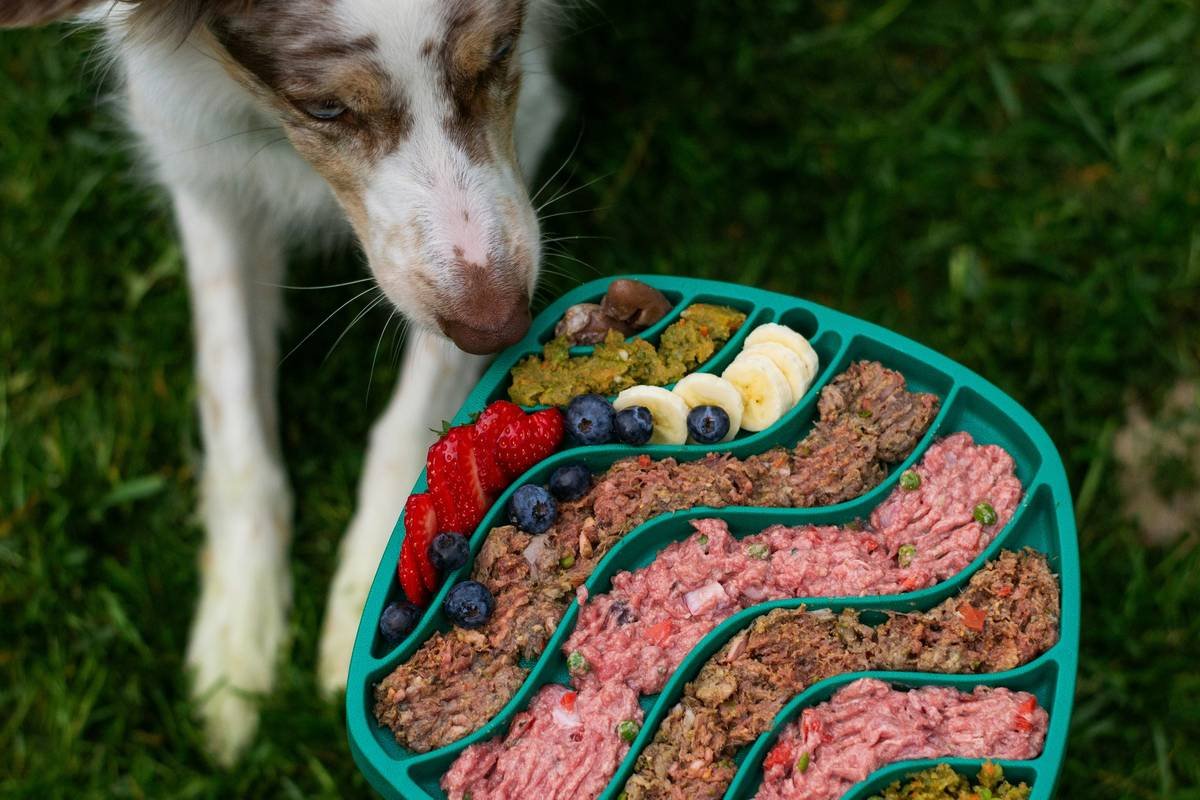
Now, before you swear off frozen proteins entirely—pause. High-quality, minimally processed frozen meats can be excellent for dogs on raw or fresh-food diets. The key? Control the marinade.
Here’s my vet-approved protocol after consulting with Dr. Elena Martinez, DACVN, and cross-referencing AAFCO guidelines:
Step 1: Read Every Ingredient—Twice
Flip the package. If it lists “natural flavors,” “seasoning blend,” or “spices,” put it back. These are loophole terms that may contain hidden alliums. Safe labels say: “chicken, water, sea salt” — nothing else.
Step 2: Choose Pet-Specific Brands (or DIY)
Brands like Stella & Chewy’s, Instinct Raw, and Steve’s Real Food offer frozen marinated-style meals using dog-safe herbs (parsley, basil) and oils (olive, coconut). No garlic. No onion. Just clean protein.
Step 3: If Making Your Own, Keep It Simple
My go-to pet-safe marinade (vet-approved!):
- 1 lb raw ground turkey or beef
- 1 tbsp olive oil
- 1 tsp dried parsley (freshens breath + anti-inflammatory)
- Pinch of turmeric (with black pepper for absorption)
Mix, portion into silicone molds, freeze. Thaw overnight in the fridge. Done.
Step 4: Never Re-Season After Thawing
“Just a sprinkle of garlic powder for flavor”? Nope. Once it’s out of the freezer, resist the urge to “enhance” it. What tastes mild to you can be toxic to them.
Optimist You: “This is easy—I’ll just rinse off the marinade!”
Grumpy You: “Ugh, fine—but only if coffee’s involved… and no, rinsing won’t remove absorbed toxins. Stop it.”
Best Practices for Choosing Pet-Safe Frozen Proteins
Not all frozen meat is marinated—but if you’re eyeing anything labeled “marinated,” follow these rules like your dog’s life depends on it (because sometimes it does):
- Look for AAFCO compliance statements on packaging—this means the food meets nutritional adequacy standards.
- Avoid anything labeled “for human consumption only”—even if it seems simple.
- Check for recalls via the FDA Pet Food Recall List monthly (yes, seriously).
- Thaw in the fridge—not on the counter—to prevent bacterial growth (Salmonella risk is real with raw diets).
- Introduce slowly: Start with 10% of your dog’s meal to monitor for GI upset.
And one brutal truth: “Organic” or “grass-fed” doesn’t make unsafe marinades safe. A grass-fed ribeye soaked in Worcestershire (which contains anchovies and garlic) is still dangerous.
The Terrible Tip We Beg You to Avoid
❌ “Just feed them the same marinated meat you eat—it builds their immunity!”
Nope. This myth circulates in raw-feeding Facebook groups, but veterinarians universally reject it. Dogs don’t need “immune challenges” from toxins—they need balanced, species-appropriate nutrition.
Real Case Study: When Marinated Meat Went Wrong
In 2022, a Boston-based veterinary clinic documented a case (published in the Journal of Veterinary Emergency and Critical Care) where a 45-lb Labrador ingested approximately 6 oz of commercially frozen marinated beef containing onion powder and red wine.
Symptoms appeared within 3 hours: vomiting, weakness, pale gums. Bloodwork confirmed Heinz body anemia. The dog required 72 hours of hospitalization, IV fluids, and oxygen therapy—total cost: $3,200.
Meanwhile, contrast that with Maya, a 7-year-old Shiba Inu whose owner uses Primal Freeze-Dried Marinated Beef Formula (formulated for pets). Over 18 months, Maya’s coat improved, her energy increased, and her annual labs showed optimal kidney and liver values.
The difference? Intentional formulation vs. human convenience.
Frozen Marinated Meat FAQs
Can I feed my dog frozen marinated meat from the grocery store?
Only if you can confirm zero toxic ingredients (no garlic, onion, alcohol, xylitol, excessive salt). Most store-bought options fail this test. When in doubt, assume it’s unsafe.
Is “plain” frozen marinated meat okay?
“Plain” is misleading. Always read the full ingredient list. Some brands use “natural smoke flavor” derived from onion—which counts as toxic.
What if my dog already ate frozen marinated meat?
Contact your vet or the ASPCA Animal Poison Control Center (aspca.org) immediately—even if symptoms haven’t appeared yet. Early intervention saves lives.
Are there any safe marinades for dogs?
Yes—but only those made with dog-safe ingredients like plain yogurt, pureed pumpkin, bone broth (onion-free), or a splash of unsalted fish oil. Better yet: buy from reputable pet food brands that formulate for safety and balance.
Conclusion
Frozen marinated meat can be part of a healthy, species-appropriate diet—if it’s designed for dogs, not humans. The moment you see garlic, onion, alcohol, or vague “seasonings,” walk away. Your dog’s digestive system isn’t built to process human flavor enhancers, and freezing won’t save them from hidden toxins.
Stick to pet-formulated frozen foods, DIY with vet-approved recipes, and always prioritize transparency over convenience. Because your pup deserves more than leftovers—they deserve nutrition that’s as thoughtful as your love for them.
Like a Tamagotchi, your dog’s health needs daily care—not shortcuts.