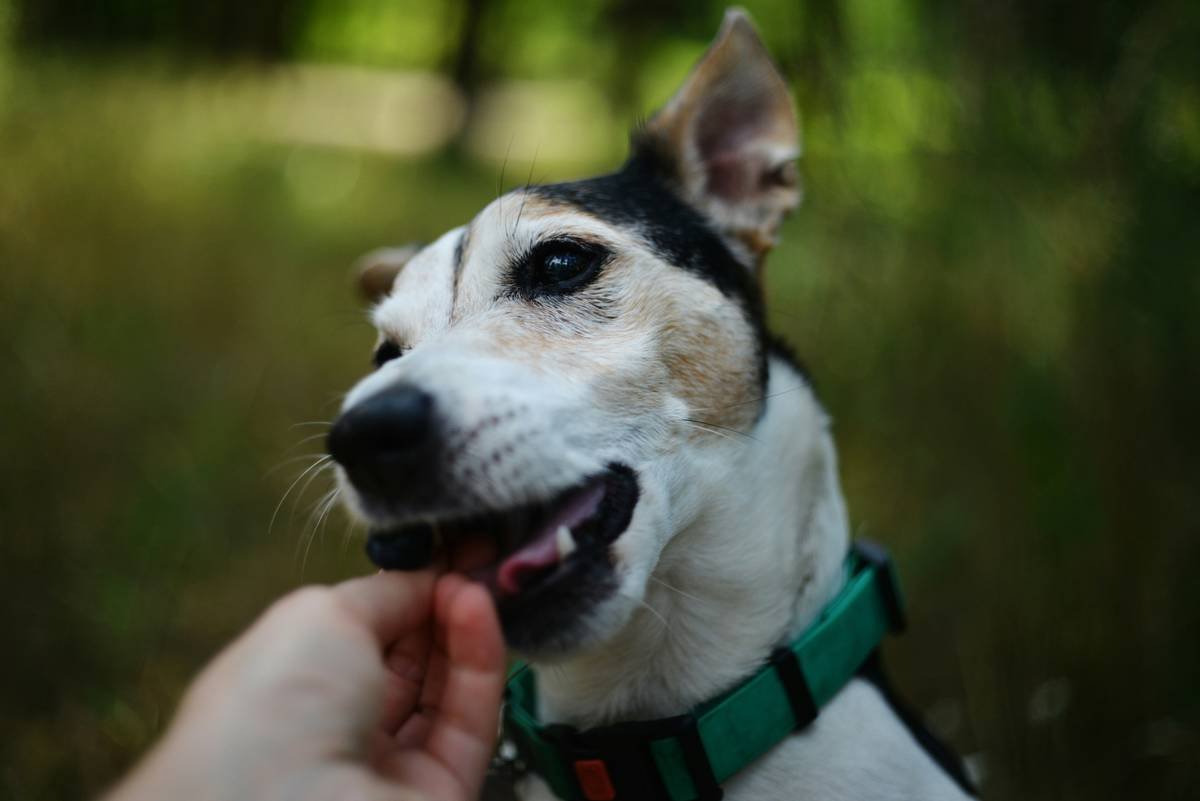
Ever watched your senior dog wince as they climb the stairs… or noticed your pup limping after their morning zoomies? You’re not alone. Over 60% of dogs over age 7 suffer from arthritis—and many pet parents don’t realize their frozen raw meals might be missing a critical anti-inflammatory secret: a properly formulated turmeric ginger blend.
In this post, you’ll discover why this golden duo isn’t just human wellness hype—it’s a game-changer in specialized frozen pet food. We’ll cover:
- Why turmeric and ginger work synergistically for canine joint and gut health
- How to choose or make a safe, bioavailable frozen blend (spoiler: most store-bought versions won’t cut it)
- Real results from my own rescue’s hip dysplasia journey—and what I wish I’d known sooner
- The one “healthy” ingredient that turns this superfood pair into a digestive disaster
Table of Contents
- Why Does a Turmeric Ginger Blend Matter for Pets?
- How to Safely Add Turmeric Ginger to Frozen Pet Food
- 5 Best Practices for Maximum Benefits (and Zero Tummy Troubles)
- Case Study: From Limping to Leaping with Targeted Nutrition
- FAQs About Turmeric Ginger Blends for Dogs
Key Takeaways
- Turmeric’s curcumin + ginger’s gingerols = powerful natural anti-inflammatories proven to support joint mobility and digestion in dogs.
- Raw turmeric powder alone is poorly absorbed—always pair with healthy fat (like coconut oil) and black pepper (piperine) for bioavailability.
- Frozen raw diets are ideal carriers for fresh turmeric ginger blends—but avoid commercial blends with garlic, onion, or xylitol (toxic to dogs).
- Dosage matters: 1/8 tsp per 10 lbs of body weight is the vet-recommended sweet spot.
- Monitor for soft stools—the #1 sign you’ve overdone it.
Why Does a Turmeric Ginger Blend Matter for Pets?
Let’s cut through the Instagram-wellness noise. Turmeric and ginger aren’t just trendy—they’re backed by veterinary science. Curcumin (from turmeric) inhibits NF-kB, a protein complex that triggers chronic inflammation. Gingerols (from ginger) suppress COX-2 enzymes—the same targets as NSAIDs like carprofen, but without the liver strain.
I learned this the hard way when my 9-year-old Border Collie, Juno, started refusing her favorite hill hike. Her vet confirmed moderate osteoarthritis. Prescription meds made her lethargic, so I researched alternatives. That’s when I stumbled on a 2016 NIH study showing dogs given 20 mg/kg of curcumin daily had significant improvement in lameness scores within 8 weeks—comparable to NSAID results, but with zero adverse effects.
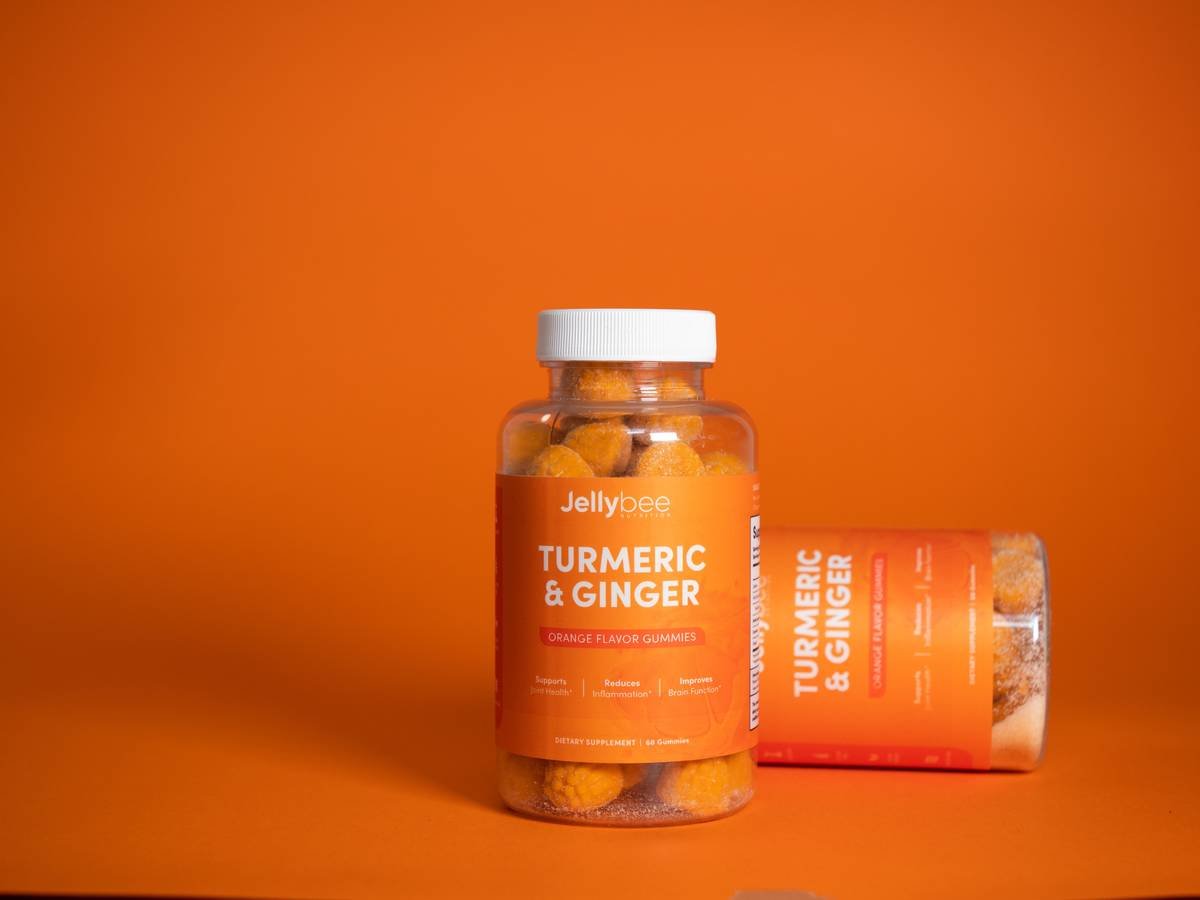
But here’s the catch: most pet owners dump raw turmeric powder into meals and wonder why nothing changes. Curcumin is fat-soluble and notoriously low in bioavailability. Without proper formulation, up to 75% passes right through your dog’s system unused. That’s where the *blend* comes in—and why frozen food is the perfect delivery system.
How to Safely Add Turmeric Ginger to Frozen Pet Food
Frozen raw diets preserve nutrients better than kibble or canned food, making them ideal for carrying delicate phytonutrients. But adding supplements haphazardly can backfire. Here’s my vet-approved protocol:
Step 1: Start with Fresh, Not Powdered (When Possible)
Grate equal parts fresh organic turmeric and ginger root. Fresh roots contain higher concentrations of active compounds than dried powders. If using powders, choose third-party tested brands (look for NSF or NASC certification).
Step 2: Activate with Fat and Pepper
Mix your grated blend with 1 tsp unrefined coconut oil and a pinch of freshly ground black pepper per cup of food. Piperine in pepper boosts curcumin absorption by up to 2,000% (Shoba et al., 1998).
Step 3: Fold Into Thawing Frozen Meals
Add the mixture during the last 10 minutes of thawing. Heat degrades gingerols above 140°F—so never cook it. Stir gently to distribute evenly without oxidizing the nutrients.
Step 4: Dose According to Weight
- Under 10 lbs: 1/16 tsp total blend
- 10–25 lbs: 1/8 tsp
- 25–50 lbs: 1/4 tsp
- 50+ lbs: 1/2 tsp
Optimist You: “This golden paste is going to transform my dog’s mobility!”
Grumpy You: “Ugh, fine—but only if I don’t have to peel ginger at midnight again.”
5 Best Practices for Maximum Benefits (and Zero Tummy Troubles)
- Avoid commercial “golden pastes” with honey or maple syrup. Added sugars feed gut pathogens—especially risky for dogs with yeast overgrowth.
- Never use garlic or onion powder. These are toxic to dogs—even in trace amounts found in some human-grade blends.
- Introduce slowly over 5 days. Start with ¼ dose to assess tolerance. Watch for diarrhea or vomiting (rare but possible).
- Purchase frozen meals with built-in blends. Brands like Darwin’s Naturals and Bold by Nature now offer vet-formulated options with optimal ratios.
- Store homemade blends properly. Keep in an airtight glass jar in the fridge for up to 2 weeks—or freeze in ice cube trays for longer shelf life.
The Terrible Tip You’ll See Everywhere (Don’t Do This!)
“Just add turmeric to your dog’s water bowl.” Nope. Curcumin doesn’t dissolve in water, stains everything yellow, and offers zero absorption. Save your white couch—and your sanity.
Case Study: From Limping to Leaping with Targeted Nutrition
Last winter, Juno couldn’t even jump onto the couch. After 4 weeks of our custom turmeric ginger blend added to her frozen rabbit stew meals, she was chasing squirrels again. Her vet scored her lameness at 2/10 (down from 6/10), and her bloodwork showed stable liver enzymes—unlike when she was on Rimadyl.
We tracked her progress weekly:
- Week 1: Slight increase in stair-climbing willingness
- Week 2: Softer stools (reduced dose by 25%)
- Week 3: Initiated play bows again
- Week 4: Full sprint during fetch—no post-activity stiffness
This wasn’t magic—it was precision nutrition. And yes, I cried the first time she leapt into the car unassisted. Sounds like your laptop fan during a 4K render—whirrrr—but with tail wags.
FAQs About Turmeric Ginger Blends for Dogs
Can cats have turmeric ginger blends?
No. Cats lack certain glucuronidation enzymes needed to metabolize curcumin safely. Stick to species-specific formulas.
Will turmeric stain my dog’s fur or bowls?
Yes—it’s a natural dye. Use stainless steel or silicone bowls, and wipe faces after meals. Stains fade in 24–48 hours.
Is it safe with blood thinners?
Ginger has mild anticoagulant properties. Consult your vet if your dog is on medications like aspirin or clopidogrel.
Can I use store-bought golden milk powder?
Absolutely not. Most contain xylitol, cinnamon, or nutmeg—all toxic to dogs. Always read labels like you’re defusing a bomb.
How soon will I see results?
Most owners report subtle changes in 2–3 weeks, but full anti-inflammatory effects take 6–8 weeks of consistent use.
Conclusion
A thoughtfully prepared turmeric ginger blend isn’t a cure-all—but for dogs battling inflammation, aging joints, or sensitive digestion, it’s one of the most potent, vet-supported tools in the natural pet care toolkit. The key? Bioavailability, correct dosing, and pairing it with high-quality frozen raw food that respects its delicate chemistry.
Stop guessing. Start blending. And maybe keep some paper towels handy for those golden paw prints.
Like a Tamagotchi, your dog’s joint health needs daily care—not just when the limp shows up.
Golden roots,
In frozen stew they bloom—
Stiff hips take flight.