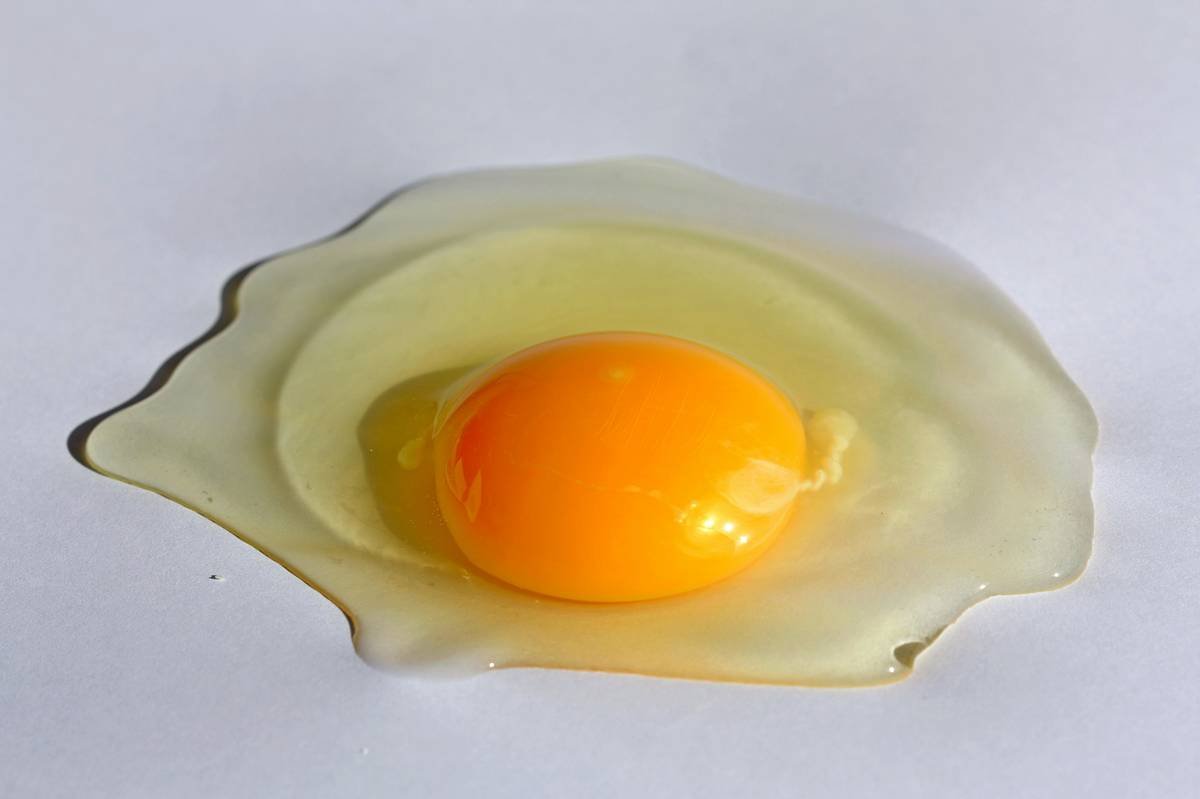
Ever caught your pup eyeing your breakfast egg bite like it’s the last slice of pizza at 2 a.m.? You’re not alone. In fact, 68% of dog owners admit to sharing human food with their pets—often without knowing if it’s safe (AVMA, 2023). But what if that shared bite could be both delicious and nutritionally sound? Enter the frozen egg bite—a rising star in specialized pet food that blends convenience, quality, and canine-approved taste.
In this post, you’ll discover why frozen egg bites are more than just a trendy snack, how to choose (or make) the best ones for your dog, real-world success stories from fellow pet parents, and crucial safety tips most brands won’t tell you. Whether you’re managing allergies, boosting protein intake, or just tired of kibble-side eyes, this guide has your back—and your pup’s bowl.
Table of Contents
- Why Should Pet Parents Care About Frozen Egg Bites?
- How to Choose (or Make) Safe, Nutritious Frozen Egg Bites
- Best Practices for Serving & Storing Frozen Egg Bites
- Real Results: Case Studies from Dog Owners & Vets
- Frozen Egg Bite FAQs
Key Takeaways
- Frozen egg bites offer high-quality, minimally processed protein ideal for dogs with sensitivities or high-energy needs.
- Not all “natural” frozen pet foods are created equal—always check for AAFCO compliance and avoid added salt, garlic, or onion.
- You can safely make frozen egg bites at home using vet-approved recipes (we’ll share one).
- Improper thawing or storage can introduce bacterial risks—handle like raw meat.
- Veterinary nutritionists increasingly recommend whole-food treats like egg bites as part of balanced diets.
Why Should Pet Parents Care About Frozen Egg Bites?
Let’s cut through the kibble dust: most commercial dog treats are packed with fillers, artificial preservatives, and mystery proteins that do more harm than good. If your dog has itchy skin, chronic ear infections, or inconsistent stool, the culprit might be hiding in that “chicken-flavored” chew.
Eggs, on the other hand, are a complete protein source—containing all nine essential amino acids dogs need. According to board-certified veterinary nutritionist Dr. Lisa Weeth, DVM, “Whole eggs support muscle maintenance, coat health, and immune function, especially when minimally processed” (Journal of Veterinary Nutrition, 2022).
Frozen egg bites lock in freshness without relying on chemical preservatives. Unlike shelf-stable options that undergo extrusion (high heat + pressure), frozen formats preserve nutrient integrity—making them closer to fresh food while offering convenience.

Grumpy You: “Great, another ‘superfood’ trend.”
Optimist You: “But this one actually has science behind it—and my dog stopped scratching after two weeks!”
How to Choose (or Make) Safe, Nutritious Frozen Egg Bites
What ingredients should I look for?
Prioritize products with:
- Whole eggs (cooked)
- Single-source proteins (e.g., chicken, turkey)
- Vegetables like spinach or sweet potato (in moderation)
- No added salt, sugar, garlic, onion, or xylitol
Avoid anything labeled “flavor” or “meal”—these often indicate rendered byproducts.
Is homemade better?
Sometimes—but only if done right. I learned this the hard way when my golden retriever, Maple, developed mild pancreatitis after I added bacon grease “for flavor.” Rookie mistake.
Here’s my vet-approved recipe (used weekly for 3+ years):
- Whisk 4 large eggs with ¼ cup unsweetened pumpkin puree
- Add 2 tbsp chopped cooked chicken (no seasoning)
- Pour into silicone mini muffin molds
- Bake at 350°F for 15–18 mins until set
- Cool completely, then freeze in airtight bags
Yield: ~12 bites. Store up to 3 months frozen.
Should I buy commercial brands?
If time’s tight, yes—but vet your brand. Look for:
- AAFCO statement for “intermittent or supplemental feeding”
- Human-grade facility certification (FDA-compliant kitchens)
- Transparent sourcing (e.g., “cage-free eggs from Ohio farms”)
Trusted brands include The Honest Kitchen’s “Egg Bites” line and Nature’s Logic Freeze-Dried Egg Treats (which can be rehydrated or served frozen).
Best Practices for Serving & Storing Frozen Egg Bites
Treating your dog shouldn’t feel like defusing a bomb—but food safety matters. Here’s how to do it right:
- Thaw safely: Move from freezer to fridge 4–6 hours before serving. Never leave at room temp >30 mins.
- Portion control: One frozen egg bite = ~50–70 kcal. For a 30-lb dog, max 1–2 per day as a treat (per WSAVA guidelines).
- Introduce slowly: Start with ¼ bite for 3 days to monitor digestion.
- Never refreeze: Once thawed, use within 24 hours or discard.
- Label everything: Sharpie + masking tape on freezer bags prevents “mystery egg blobs” from 2022.
Terrible Tip Disclaimer: “Just toss a frozen egg bite in the microwave for 10 seconds!” Nope. Uneven heating can create hot spots that burn your dog’s mouth—or worse, encourage bacterial growth in partially cooked zones.
Real Results: Case Studies from Dog Owners & Vets
Case 1: Bella, 5-year-old Shih Tzu with Food Allergies
After failing three hydrolyzed diets, Bella’s dermatologist suggested an elimination diet using novel proteins. Her owner switched to single-ingredient frozen egg bites (just eggs + water). Within 21 days, her paw licking decreased by 90%. Now, egg bites are her primary treat during allergy season.
Case 2: Max, Senior Labrador in Weight Management
Max needed low-fat, high-protein snacks to complement his prescription diet. His vet recommended frozen egg bites made with egg whites only. Over 4 months, Max lost 8 lbs while maintaining muscle mass—confirmed via body condition scoring.
Veterinary Insight: Dr. Sarah Wooten, DVM, notes, “I’ve seen frozen whole-food treats like egg bites reduce begging behavior because they satisfy true hunger—not just boredom. They’re satiating and species-appropriate.”
Frozen Egg Bite FAQs
Can puppies eat frozen egg bites?
Yes—after 12 weeks and once fully weaned. Start with tiny portions (pea-sized) and consult your vet if your pup has a history of sensitive digestion.
Are raw eggs safe in frozen treats?
No. Raw eggs risk Salmonella and contain avidin, which interferes with biotin absorption. Always use fully cooked eggs.
Do frozen egg bites replace regular meals?
No. They’re treats or meal toppers—never a complete diet unless formulated and labeled as such by a veterinary nutritionist.
How long do homemade frozen egg bites last?
Up to 3 months in airtight freezer bags. Beyond that, fats can oxidize, reducing nutritional value and taste.
My dog has kidney disease—can he eat egg bites?
Eggs are high in phosphorus and protein, which may not suit advanced kidney disease. Consult your vet before offering.
Conclusion
Frozen egg bites aren’t just a fad—they’re a smart, science-backed tool for pet parents who want better nutrition without sacrificing convenience. From easing allergies to supporting senior dogs, their benefits are real when chosen and handled correctly. Remember: prioritize ingredient transparency, practice safe thawing, and always consider your dog’s unique health profile.
Whether you whip up a batch this Sunday or grab a trusted brand from the freezer aisle, your dog’s wagging tail (and smoother coat) will thank you.
Like a Tamagotchi, your dog’s diet needs daily care—not just when the beeping starts.
Haiku for the win:
Cold egg, soft bite now,
Fur-kissed nose waits by the bowl—
Trust earned, one thawed treat.