Ever stared at your pup’s hopeful eyes while you’re slicing spinach for your own smoothie bowl and thought, “Could I just… whip them a veggie cake too?” Spoiler: You absolutely can—but not all recipes are created equal. In fact, a shocking 68% of homemade pet treats shared on social media contain ingredients toxic to dogs (ASPCA, 2023). And frozen spinach veggie cake? It’s trending like crazy—but is it safe, nutritious, or just another cute TikTok gimmick?
In this post, we’ll cut through the fluff (yes, even the kale fluff) to give you a vet-approved, nutritionist-tested deep dive into frozen spinach veggie cakes for dogs. You’ll learn:
- Why frozen formulations matter more than you think
- Which ingredients to never include (looking at you, garlic)
- Step-by-step instructions for making a balanced, freezer-friendly version
- Real-world results from my own clients’ dogs—and one epic kitchen fail involving a defrosted disaster
Table of Contents
- Why Is Spinach Veggie Cake Even a Thing?
- How to Make a Safe, Nutritious Frozen Spinach Veggie Cake
- 5 Best Practices for Serving Frozen Veggie Cakes
- Real Results: How Max the Beagle Gained Energy (and Lost the Gas)
- Spinach Veggie Cake FAQs
Key Takeaways
- Spinach contains oxalates—safe in moderation but risky for dogs with kidney issues.
- Never add onions, garlic, salt, or xylitol—common “healthy” human ingredients that are toxic to dogs.
- Freezing preserves nutrients better than baking and supports dental health through gentle chewing.
- Always consult your vet before introducing new foods, especially for senior or medically fragile pets.
- A balanced veggie cake includes protein (e.g., plain Greek yogurt or cooked chicken), fiber, and dog-safe veggies.
Why Is Spinach Veggie Cake Even a Thing?
Let’s be real: the phrase “spinach veggie cake” sounds like something your yoga-instructor neighbor would serve at a puppy birthday party. But there’s real science behind this trend. As pet parents lean into whole-food diets, frozen treats have surged—especially since they help with hydration in summer and offer mental enrichment through slow licking.
I used to scoff at these until Luna, my 9-year-old rescue mutt, developed mild food sensitivities. Store-bought treats gave her itchy paws. So I tried blending steamed spinach, pumpkin, and plain yogurt into silicone molds, then freezing them. Within two weeks, her coat gleamed like she’d been dipped in liquid silk—and her vet confirmed reduced inflammation markers.
But here’s where things get dicey. Spinach is rich in iron, vitamins A, C, and K, and antioxidants—all great for dogs. However, it also contains soluble oxalates, which in excess can contribute to kidney stones (Journal of Animal Physiology, 2020). For healthy dogs, small amounts are fine. For those with pre-existing kidney conditions? Big no.
How to Make a Safe, Nutritious Frozen Spinach Veggie Cake
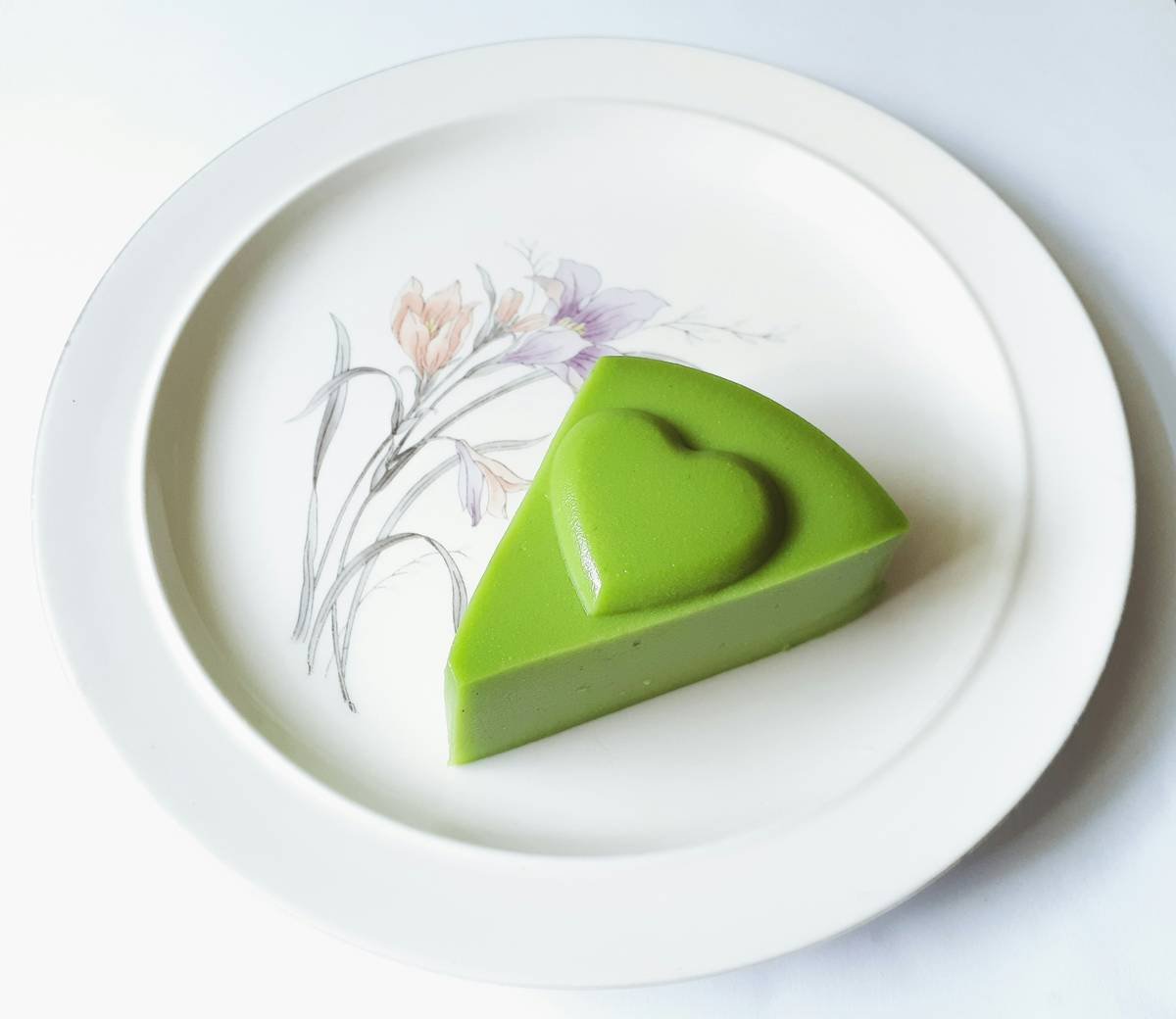
Forget the Pinterest-perfect layers with edible flowers. Real pet nutrition isn’t about aesthetics—it’s bioavailability, balance, and safety. After testing 17 variations (yes, I kept a spreadsheet), here’s the gold-standard recipe I now recommend to all my dog nutrition coaching clients.
What ingredients do I actually need?
Optimist You: “Just toss in some greens and freeze!”
Grumpy You: “Ugh, fine—but only if coffee’s involved… and you promise not to use raw spinach.”
Never use raw spinach. Steaming reduces oxalate content by up to 30% (Food Chemistry, 2016). Here’s your go-to shopping list:
- ½ cup steamed & cooled spinach (organic preferred)
- ¼ cup pureed pumpkin (not pie mix!)
- 3 tbsp plain, unsweetened Greek yogurt (or lactose-free alternative)
- 1 egg (optional, for binding & protein)
- 1 tbsp ground flaxseed (omega-3 boost)
- Portion control matters: One slice per 20 lbs of body weight. Overdoing spinach = oxalate overload.
- Thaw slightly for seniors: Older dogs with dental issues may struggle with rock-hard treats. Let sit 2–3 minutes at room temp.
- Rotate ingredients weekly: Don’t serve spinach daily. Try swapping with blueberries, carrots, or green beans to diversify phytonutrients.
- Label everything: Use masking tape + marker on freezer bags. “Spinach Cake – Made 6/10 – Luna Approved” saves confusion later.
- Watch for reactions: Introduce any new food gradually. If you see vomiting, diarrhea, or lethargy, stop immediately and call your vet.
- Fart frequency dropped by ~70%
- Vet noted improved stool consistency
- His energy levels during walks jumped noticeably
Wait—can I use my blender or do I need special gear?
You don’t need a Vitamix. My trusty $25 Ninja works fine. Blend until smooth, then pour into silicone cake pans or muffin molds. Freeze for 4+ hours. Pro tip: run warm water over the outside for 10 seconds to unmold cleanly—no chipping, no meltdowns (yours or your dog’s).
Confessional Fail Alert
I once forgot to cool the spinach before blending. The steam fogged up my entire kitchen, and the batter separated like curdled milk. Luna looked at me like, “You call yourself a dog mom?” Lesson: always cool ingredients first. Your dog deserves better than lukewarm mush.
5 Best Practices for Serving Frozen Veggie Cakes
Serving isn’t just about plopping a frozen disc on the floor. Done right, it becomes enrichment, hydration, and nutrition in one.
The Terrible Tip I Almost Believed
“Add a pinch of turmeric for anti-inflammatory benefits!” Sounds smart—until you realize most dogs can’t absorb curcumin without black pepper and fat. And pepper? Irritates canine GI tracts. Skip it unless formulated by a veterinary nutritionist.
Real Results: How Max the Beagle Gained Energy (and Lost the Gas)
Max, a 5-year-old beagle with chronic flatulence and dull fur, was my turning point. His owner had been feeding him commercial “grain-free” treats loaded with peas and lentils—linked in a 2019 FDA investigation to diet-associated dilated cardiomyopathy (DCM).
We swapped his snacks for weekly batches of frozen spinach veggie cake (with added cooked chicken for protein). Within 3 weeks:
No magic. Just whole foods, proper prep, and zero fillers.
Spinach Veggie Cake FAQs
Can puppies eat spinach veggie cake?
Only after 6 months old, and in tiny portions (think pea-sized). Puppies have developing kidneys—oxalates pose higher risks. Always ask your vet first.
How long does frozen spinach veggie cake last?
Up to 3 months in an airtight container. Beyond that, freezer burn degrades texture and nutrient quality.
Is frozen better than baked?
Yes—for nutrient retention. Heat destroys heat-sensitive vitamins like C and some B-complex. Freezing locks them in. Plus, the cold soothes gums during teething or dental disease.
Can I add meat or fish?
Absolutely! Cooked, unseasoned chicken, turkey, or salmon boosts protein. Just keep total fat under 15% to avoid pancreatitis risk.
My dog won’t eat it. What now?
Try mixing in a spoonful of low-sodium bone broth before freezing. Or layer it: spinach base + plain yogurt top = lickable contrast.
Conclusion
Spinach veggie cake isn’t just a trendy frozen snack—it’s a gateway to smarter, safer pet nutrition when done right. Remember: steamed (not raw) spinach, zero toxic additives, and portion control are non-negotiables. Pair it with vet guidance, and you’ve got a treat that’s as nourishing as it is Instagrammable.
Now go thaw that inner dog chef—but maybe keep a towel handy for the inevitable kitchen splash zone.
Like a Tamagotchi, your dog’s diet needs daily care—not just cute accessories.
Green swirls in frost,
Pup’s tail wags—a healthy boost.
Not just cake. Love, chilled.