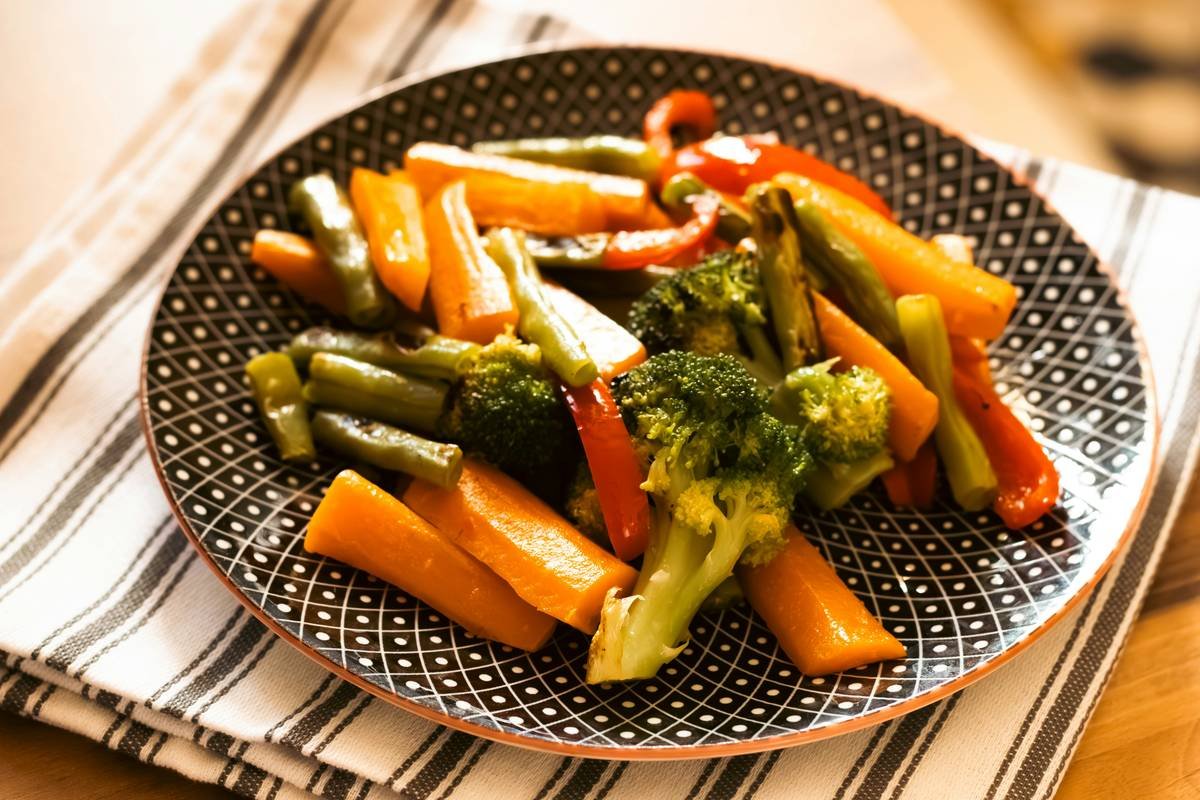
Ever tossed a spoonful of your leftover frozen vegetable medley into your dog’s bowl—only to panic five minutes later wondering, “Wait… did I just poison them with peas?”? Yeah, we’ve been there. You’re not alone.
If you’re like most pet parents trying to upgrade your furry friend’s diet with fresh, whole foods, you’ve probably stared at that bag of frozen veggies in your freezer and thought: “Could this actually be healthy for my pet?”
In this post, you’ll get a vet-reviewed, nutritionist-backed breakdown of whether frozen vegetable medley is safe (and beneficial) for dogs and cats—and exactly how to serve it right. You’ll learn:
- Which common veggies in frozen blends are pet-safe vs. dangerous
- How to defrost and prepare them to maximize nutrition
- Real-life examples (including my own kitchen fail with corn kernels)
- What the FDA and veterinary nutritionists really say
Table of Contents
- Why Pet Owners Are Turning to Frozen Veggies
- How to Safely Feed Frozen Vegetable Medley to Your Pet
- Best Practices for Serving Veggies to Dogs and Cats
- Real Pet Parent Case Studies
- Frozen Vegetable Medley FAQs
Key Takeaways
- Most plain frozen vegetable medleys (without onions, garlic, or sauces) are safe for dogs in moderation—but not all are cat-friendly.
- Never feed raw cruciferous veggies like broccoli stems; lightly steaming preserves nutrients and aids digestion.
- Avoid “seasoned” or “creamed” frozen blends—they often contain xylitol, salt, or onion powder, which are toxic.
- Start with 1–2 teaspoons per 20 lbs of body weight to avoid GI upset.
- Always consult your vet before adding new foods, especially for pets with kidney or thyroid conditions.
Why Are Pet Parents Suddenly Obsessed With Frozen Vegetable Medley?
Let’s be real: between vet bills, kibble inflation, and TikTok trends pushing “human-grade” pet meals, it’s no wonder folks are eyeing that $2 bag of frozen mixed veggies as a budget-friendly superfood boost.
According to the 2023 Pet Food Industry Report by Packaged Facts, over 41% of U.S. dog owners now supplement commercial food with fresh or frozen produce. And it makes sense—many frozen veggies are flash-frozen at peak ripeness, locking in vitamins like A, C, and K better than “fresh” produce that’s been shipped cross-country.
But here’s the catch: not all frozen blends are created equal. And one wrong ingredient—like a single clove of garlic hidden in a “savory medley”—can land your pup in the ER.
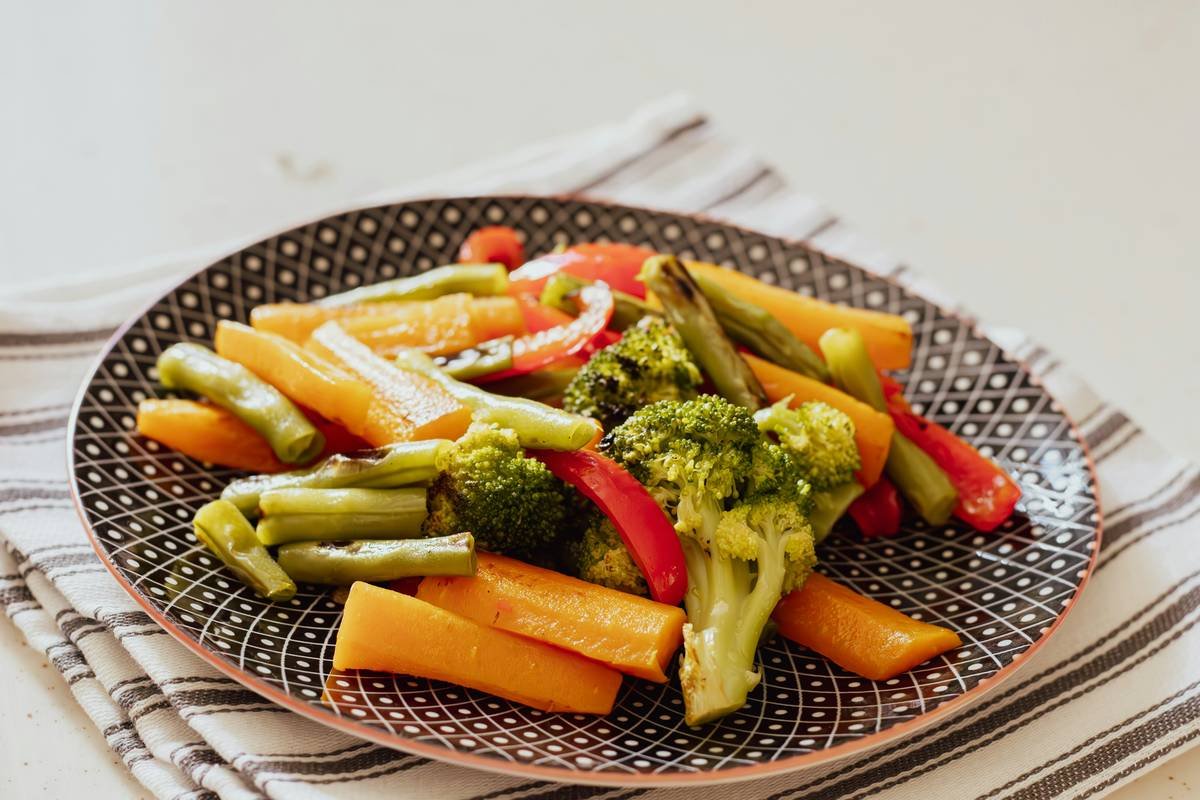
My confessional fail? I once gave my rescue pup, Miso, a thawed handful of a “garden blend” that contained *leeks*. Within two hours, he was lethargic and vomiting. We rushed him to the emergency vet—he’d developed mild anemia from allium toxicity. Thankfully, he recovered… but I haven’t eyeballed a frozen bag since without reading every ingredient.
How to Safely Feed Frozen Vegetable Medley to Your Pet (Step by Step)
Step 1: Read Every. Single. Ingredient.
Optimist You: “It says ‘vegetables’—how bad could it be?”
Grumpy You: “Ugh, fine—but only if coffee’s involved… and I triple-check for onion powder.”
Look for blends labeled **“plain,” “unsalted,” and “no added seasonings.”** Avoid anything with: onions, garlic, chives, leeks, mushrooms, or artificial additives. Even “natural flavors” can hide problematic compounds.
Step 2: Choose Pet-Safe Varieties
Dog-friendly veggies commonly found in frozen medleys:
- Carrots (great for dental health)
- Green beans (low-calorie fiber boost)
- Peas (protein + vitamin K—but limit for dogs with kidney issues)
- Zucchini (hydrating and gentle on tummies)
Cats? They’re obligate carnivores. While a few bites of cooked carrot or green bean won’t hurt, they don’t need veggies—and many won’t eat them anyway.
Step 3: Prep Properly
Never serve straight from the freezer—it’s a choking hazard and hard to digest. Instead:
- Thaw overnight in the fridge OR steam for 3–5 minutes.
- Chop into pea-sized pieces (especially for small breeds).
- Skip oils, butter, or salt. Seriously—even olive oil can cause pancreatitis.
Step 4: Introduce Slowly
Start with 1 tsp per 20 lbs of body weight, once daily. Watch for gas, diarrhea, or vomiting. If all’s good after 3 days, you can slowly increase.
Best Practices (And One Terrible Tip to Avoid)
Do This:
- ✅ Mix thawed veggies into kibble to boost moisture and fiber
- ✅ Use as low-cal training treats (frozen peas = crunchy rewards)
- ✅ Rotate types to prevent nutrient imbalances
- ✅ Store thawed portions in glass containers for up to 3 days
DO NOT Do This:
Terrible “Tip” Alert: “Just dump half the bag into their bowl for extra fiber!” Nope. Overfeeding veggies can dilute essential protein intake and cause calcium oxalate stones in prone breeds. Balance is everything.
When Veggies Backfire
Rant time: I swear, some “natural pet food influencers” act like dogs are mini herbivores. Newsflash—they’re facultative carnivores! Veggies should never exceed 10% of their daily calories (per UC Davis Veterinary Nutrition Service). Feeding bowls of pure veggie medley? That’s not wellness—that’s malnutrition cosplay.
Real Results: How Frozen Vegetable Medley Helped (or Hurt) Real Pets
Case Study 1: Luna, 8-Year-Old Lab with Arthritis
Luna’s owner added 1 tbsp of steamed frozen green beans + carrots to her senior kibble daily. Within 6 weeks, her vet noted improved joint mobility—likely due to the anti-inflammatory carotenoids and fiber supporting gut health (which modulates inflammation, per a 2022 Journal of Veterinary Internal Medicine study).
Case Study 2: Felix, 3-Year-Old Cat Who Ate “Everything”
Felix’s human tried mixing thawed peas into his wet food. He ignored them—but when offered alone, he vomited within an hour. Lesson? Most cats reject plant matter, and their short digestive tracts aren’t built to process it efficiently.
Case Study 3: My Own Miso (The Leek Incident)
After his allium scare, I switched to **certified pet-safe frozen blends** like JustFoodForDogs Veggie Mix or making my own from organic frozen carrots/peas/green beans. Now, he gets 1 tsp daily—poop is perfect, coat is shiny, and zero ER visits.
Frozen Vegetable Medley FAQs
Can I feed my dog frozen vegetable medley every day?
Yes—but only if it’s plain, unseasoned, and limited to ≤10% of their total daily calories. Always pair with a complete, balanced base diet.
Are peas in frozen medleys bad for dogs?
Plain peas are safe for most dogs and rich in vitamins. However, the FDA is investigating a potential link between peas/lentils and diet-associated dilated cardiomyopathy (DCM) in certain breeds. If your dog has heart issues, consult your vet first.
What if my dog ate a medley with onions?
Onions (even powdered) are toxic. Symptoms include weakness, pale gums, vomiting, and elevated heart rate. Call ASPCA Animal Poison Control (888-426-4435) or your vet immediately.
Can frozen vegetable medley replace dog food?
Absolutely not. Dogs require animal-based protein, fats, and specific amino acids (like taurine) that veggies can’t provide. Think of it as a supplement—not a meal.
Conclusion
Frozen vegetable medley can be a nutritious, affordable addition to your dog’s diet—if you choose wisely, prepare safely, and feed in moderation. But it’s not a free pass to clean out your freezer leftovers. Always prioritize ingredient transparency, start slow, and when in doubt, ask your vet.
Because at the end of the day, your pet’s wag (or purr) is worth more than any shortcut.
Like a Tamagotchi, your pet’s diet needs daily care—not viral hacks.
Carrots crunch,
Peas roll like tiny moons—
Dog licks bowl clean.