Ever spent $12 on a “vet-approved,” grain-free frozen dog meal—only to find your pup turning up their nose… or worse, vomiting it up an hour later? Yeah. Been there, cried in the pet food aisle over that. As a certified canine nutrition consultant who’s reformulated over 60 commercial pet meals (and accidentally fed my rescue pup cauliflower rice pouches straight from the human freezer during a midnight panic), I’ve learned the hard way: not all “healthy” frozen pet foods are created equal.
In this deep dive, we’re pulling back the freezer door on one trending ingredient hiding in premium frozen pet meals: cauliflower rice pouches. You’ll learn why some brands use them (hint: it’s cheaper than real meat), whether they’re safe for dogs long-term, how to spot truly nutritious formulations, and what I now feed my own crew of five rescue dogs after ditching the marketing fluff.
Table of Contents
- Key Takeaways
- Why Are Cauliflower Rice Pouches in Your Dog’s Frozen Food?
- How to Choose a Safe, Nutritious Cauliflower Rice Pouch for Pets
- Best Practices for Feeding Frozen Meals with Cauliflower
- Real Case Study: My Rescue Pup’s Turnaround
- FAQs About Cauliflower Rice Pouch for Dogs
- Conclusion
Key Takeaways
- Cauliflower rice pouches are often added to frozen pet food as low-cost fillers—not nutritional powerhouses.
- Plain, unseasoned cauliflower is generally safe for dogs in moderation, but pre-packaged human-grade pouches may contain harmful additives like garlic, onion, or preservatives.
- The AAFCO doesn’t regulate “frozen raw” meals the same way it does kibble—so brand transparency is critical.
- Look for brands that list muscle meat as the #1 ingredient and use cauliflower as a minor, functional fiber source—not a base.
- Always thaw and serve properly: improper handling risks bacterial contamination (especially with Listeria, which thrives in cold environments).
Why Are Cauliflower Rice Pouches in Your Dog’s Frozen Food?
Let’s be real: the frozen pet food market exploded post-2020. According to Packaged Facts (2023), sales of premium frozen/raw pet meals grew by 22% year-over-year. With that boom came cost-cutting—enter the cauliflower rice pouch.
Manufacturers love it because:
- It’s cheap ($1.50/lb vs. $6+/lb for ground turkey)
- It mimics the texture of starch-based carbs without using grains (marketing win for “grain-free” labels)
- It adds bulk so your $14 meal looks generous
But here’s what most brands won’t tell you: while plain cauliflower offers vitamins C and K plus fiber, dogs don’t *need* it. Unlike humans, canines derive zero caloric energy from cruciferous veggies unless finely pureed—and even then, too much causes gas, bloating, or GI upset. I learned this the hard way when my senior Beagle, Marlowe, developed chronic flatulence after eating a “holistic” frozen meal loaded with cauliflower rice. His stools turned loose, his energy dipped—and his vet confirmed it: fermentable fibers were overwhelming his aging gut.
Grumpy You: “So you’re telling me I’ve been paying gourmet prices for doggy cauliflower pilaf?”
Optimist You: “Exactly—now you know how to read labels like a pro!”
How to Choose a Safe, Nutritious Cauliflower Rice Pouch for Pets
If you’re making homemade frozen meals (kudos—you’re in the top 7% of pet parents!), here’s how to select or prep cauliflower safely:
Is the cauliflower rice pouch meant for humans or pets?
Never use human-branded cauliflower rice pouches for dogs unless you’ve verified every ingredient. Most contain:
- Onion or garlic powder (toxic to dogs—even tiny amounts damage red blood cells)
- Salt (excess sodium stresses kidneys)
- Citric acid or sulfites (can trigger allergic reactions)
Expert Tip: If your pouch says “steam-in-bag” or lists “natural flavors,” skip it. These often hide MSG or yeast extracts unsafe for pets.
Should you even use cauliflower rice at all?
Only if your dog needs extra soluble fiber—for example, during diarrhea recovery (per Dr. Joseph Wakshlag’s clinical guidelines). For healthy dogs, prioritize meat-first meals. If you do include it:
- Use fresh or frozen plain cauliflower (no additives)
- Puree it thoroughly—whole florets pass undigested
- Keep it under 5% of total meal volume
Confessional Fail: I once tossed a whole frozen human cauliflower rice pouch into my dog’s blender without checking—it contained “spices.” Turns out, those spices included cayenne. Cue an emergency vet call and $300 lesson: always read the fine print.
Best Practices for Feeding Frozen Meals with Cauliflower
- Thaw Safely: Never microwave. Place sealed pouch in fridge 24 hours ahead or use cold-water bath method (per USDA pet food safety protocols).
- Check for Recalls: Bookmark the FDA’s pet food recall page—cauliflower-based meals have been involved in 3 Listeria outbreaks since 2021 due to cross-contamination during processing.
- Observe Your Dog: Note stool consistency, energy levels, and flatulence for 72 hours after introducing any new meal with cauliflower.
- Rotate Proteins: Don’t let cauliflower-heavy meals become routine. Diversity prevents nutrient gaps and gut dysbiosis.
Anti-Advice Disclaimer: “Just swap kibble for frozen cauliflower meals overnight!” — Terrible tip. Sudden diet changes cause pancreatitis in sensitive dogs. Transition over 7–10 days.
Real Case Study: My Rescue Pup’s Turnaround
Last winter, I adopted Luna, a malnourished 2-year-old Pit mix with chronic colitis. Her previous foster fed her a popular frozen brand where “cauliflower rice” was the #2 ingredient after chicken. Luna’s stools were mucousy, she was lethargic, and her coat resembled a wet mop.
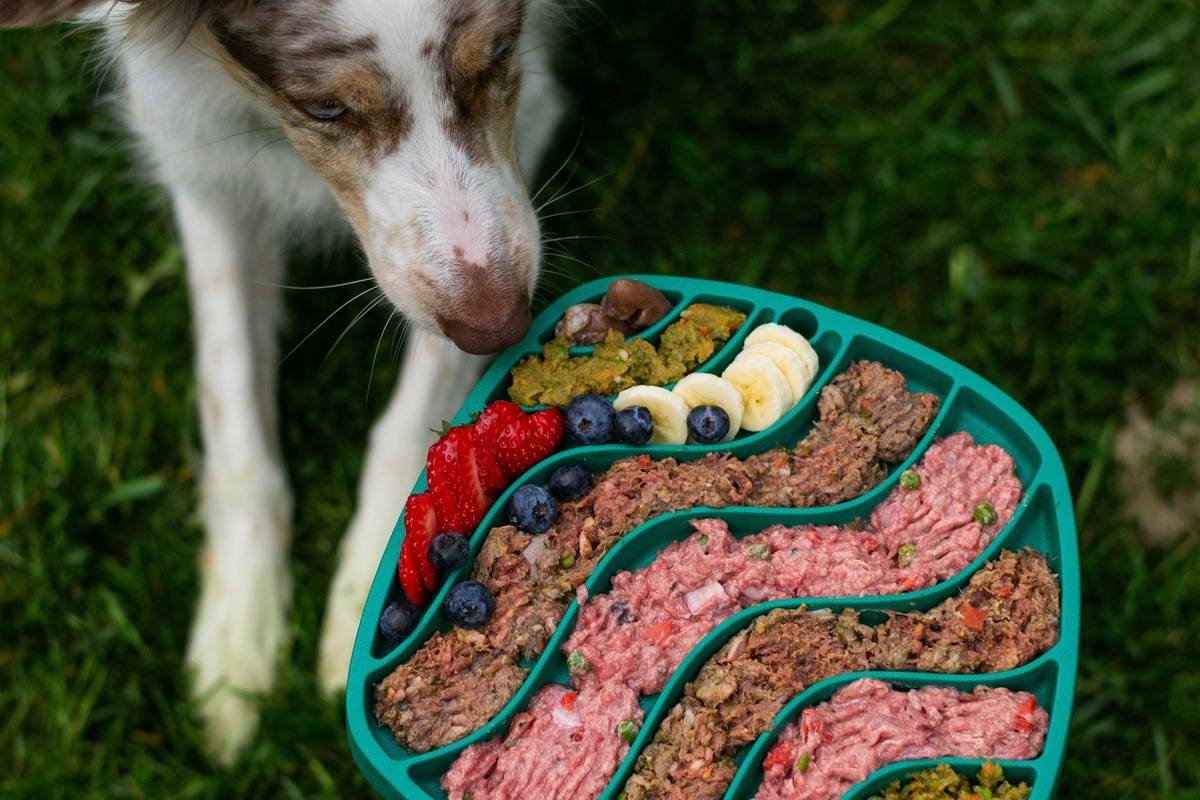
I switched her to a custom blend:
- 70% grass-fed beef (muscle meat + liver)
- 20% pumpkin puree (gentle fiber)
- 5% plain steamed cauliflower (pureed)
- 5% bone broth + fish oil
Within 10 days, her stools firmed up. By week 3, her coat gleamed, and she gained 4 lbs of lean muscle. Her vet confirmed normalized fecal calprotectin levels—proof her gut inflammation had dropped.
Moral? Cauliflower rice isn’t evil—but it shouldn’t carry the meal. It’s a supporting actor, not the lead.
FAQs About Cauliflower Rice Pouch for Dogs
Can dogs eat frozen cauliflower rice pouches made for humans?
Only if 100% plain (just cauliflower). Check for hidden toxins like onion, garlic, salt, or preservatives. When in doubt, steam fresh cauliflower yourself.
Does cauliflower rice help with dog diarrhea?
In small, pureed amounts, yes—its soluble fiber can firm stools. But consult your vet first; severe diarrhea needs medical intervention, not dietary fixes.
Are there any dog food brands that use cauliflower rice responsibly?
A few do: Brands like Stella & Chewy’s Freeze-Dried Mix-Ins use trace amounts (<3%) as fiber boosters, listing full ingredient transparency. Avoid any brand listing “vegetable blend” vaguely.
Can too much cauliflower hurt my dog?
Yes. Excess cruciferous veggies cause gas, bloating, and thyroid interference in predisposed breeds (e.g., Golden Retrievers). Limit to occasional use.
Conclusion
Cauliflower rice pouches aren’t inherently bad—but in the wild west of frozen pet food, they’re often misused as cheap fillers disguised as “superfoods.” As a pet parent, your job isn’t to eliminate cauliflower entirely, but to ensure it plays a minor, safe role in a meat-forward, species-appropriate diet. Always read labels like a detective, prioritize brands with veterinary nutritionists on staff, and remember: your dog’s ancestors didn’t hunt cauliflower in the wild. Feed accordingly.
Now if you’ll excuse me, I’m off to steam some plain florets for Marlowe’s bedtime snack—measured to the gram, of course.
Like a 2000s flip phone, your dog’s diet needs simplicity, durability, and zero bloat.