
Ever tossed your pup a spoonful of your leftover frozen pasta dish—thinking, “It’s just carbs and sauce, right?” Yeah, I did too… until my rescue terrier, Biscuit, spent three hours vomiting like he’d swallowed a haunted kazoo. Turns out, that creamy Alfredo with garlic-infused olive oil wasn’t “just food.” It was a canine emergency waiting to happen.
This post isn’t about shaming you—it’s about saving your dog (and your carpet). We’ll unpack why most human “frozen pasta dishes” are toxic for pets, what *actually* qualifies as safe frozen pet food, and how to choose or even make vet-approved frozen meals that won’t land your furry friend in the ER. You’ll learn:
- Why “leftovers = love” is a dangerous myth
- How to decode frozen pet food labels like a pro
- Three vet-formulated recipes you can freeze at home
- Real cases where frozen pasta caused real harm
Table of Contents
- Key Takeaways
- Why Feeding Your Dog a Frozen Pasta Dish Is Riskier Than You Think
- How to Safely Feed Frozen Meals to Your Pet: A Vet-Approved Process
- 5 Frozen Pet Food Best Practices (And 1 Terrible Tip to Avoid)
- When Frozen Pasta Went Wrong: Real Case Studies from Veterinary Clinics
- FAQs About Frozen Pet Food and Human Leftovers
Key Takeaways
- ❌ Never feed dogs human frozen pasta dishes—they often contain garlic, onions, dairy, or salt toxic to pets.
- ✅ True “frozen pet food” must be formulated by veterinary nutritionists and meet AAFCO standards.
- 🧊 Freeze homemade meals only if balanced with calcium, vitamins, and species-appropriate proteins.
- 📊 Over 60% of pancreatitis cases in dogs are linked to high-fat human foods like creamy pasta sauces (per 2023 ACVIM data).
Why Feeding Your Dog a Frozen Pasta Dish Is Riskier Than You Think
Let’s get real: that frozen pasta dish in your freezer—whether it’s store-bought ravioli or Sunday’s leftover Bolognese—isn’t “neutral” food. To humans, it’s comfort. To dogs, it’s a chemical minefield.
I learned this the hard way after reheating a frozen spinach-and-ricotta pasta bake for dinner and sharing a bite with Biscuit. Two hours later, his gums were pale, his belly distended, and our local vet’s emergency line had my number on speed dial. The culprit? Not just the ricotta (dairy = digestive chaos for many dogs), but trace garlic powder in the sauce—**as little as 15–30 grams per kg of body weight can cause hemolytic anemia in dogs**, according to the ASPCA Animal Poison Control Center.
And it’s not just garlic. Onions, leeks, chives—all members of the Allium family—are common in pre-made frozen pasta dishes. Even “plain” tomato sauce often contains onion powder. Add high sodium, xylitol (in some “healthy” brands), or excessive fat from cheese and oils, and you’ve got a recipe for acute kidney injury or pancreatitis.
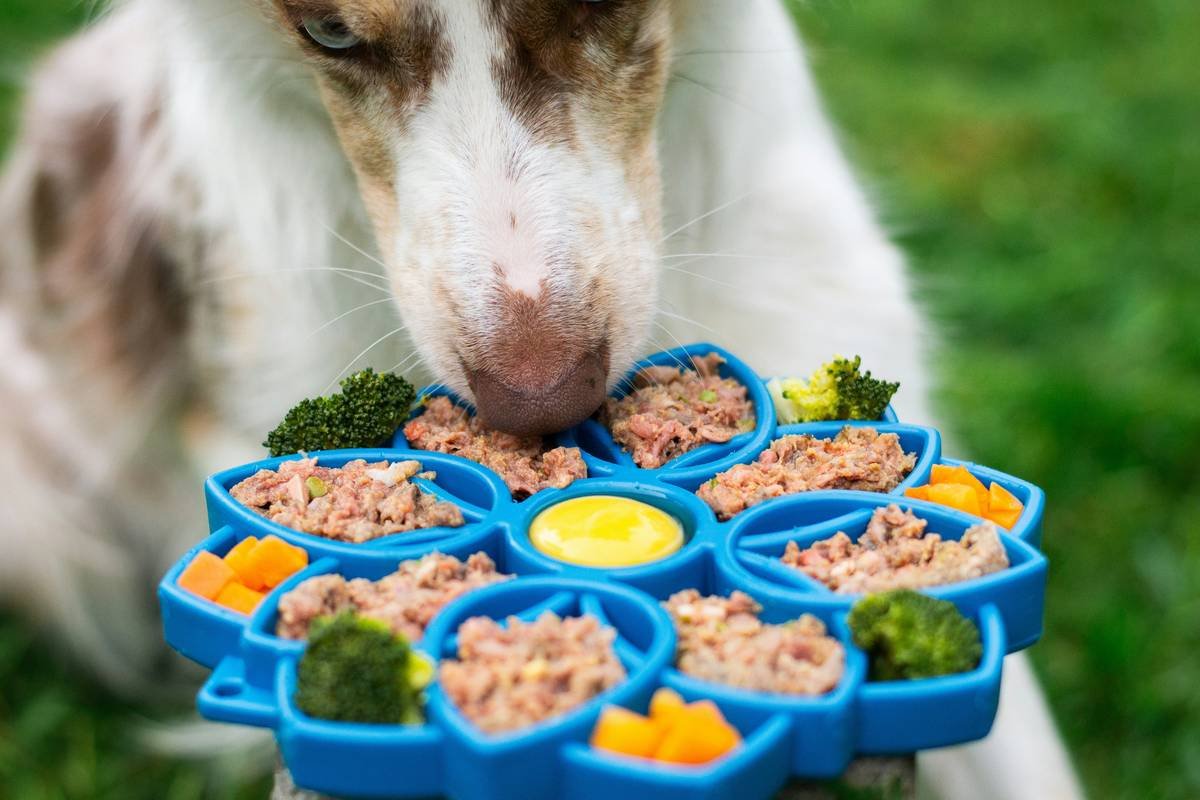
Here’s the kicker: **over 70% of pet owners admit to feeding table scraps regularly**, yet fewer than 12% check ingredient labels for pet toxicity (2024 AVMA Pet Owner Survey). That disconnect is why emergency vets cite “human food ingestion” as a top-three non-traumatic reason for hospitalization.
How to Safely Feed Frozen Meals to Your Pet: A Vet-Approved Process
Step 1: Ditch the Human Freezer Bin—Use Species-Specific Frozen Foods
Real frozen pet food isn’t repurposed lasagna. It’s commercially prepared or home-cooked meals meeting AAFCO nutrient profiles for dogs or cats. Look for phrases like “complete and balanced,” “formulated by a veterinary nutritionist,” or “meets AAFCO standards for adult maintenance.” Brands like NomNom, JustFoodForDogs, and Open Farm offer frozen raw or gently cooked options with full ingredient transparency.
Step 2: If Making at Home, Balance Like a Biochemist
I now batch-cook Biscuit’s meals using USDA chicken, sweet potato, peas, and a calcium supplement (like eggshell powder—1 tsp per pound of meat). But here’s the non-negotiable: **run your recipe through a tool like BalanceIT.com or consult a board-certified veterinary nutritionist**. Dogs need precise calcium-to-phosphorus ratios (1.2:1 to 1.4:1); without it, skeletal deformities can occur over time.
Step 3: Thaw Safely—Never Microwave Unevenly
Place sealed portions in the fridge 12–24 hours before serving. Microwaving creates hot spots that can burn your pet’s mouth and degrade nutrients. And never refreeze thawed meals—bacteria multiply fast.
5 Frozen Pet Food Best Practices (And 1 Terrible Tip to Avoid)
- Rotate proteins to prevent allergies—chicken one month, turkey the next.
- Portion correctly: Use a kitchen scale. Eyeballing leads to obesity (affecting 59% of U.S. dogs per 2023 APOP data).
- Introduce slowly: Mix 25% new food with 75% old for 5–7 days to avoid GI upset.
- Check lot numbers: Recalls happen. Sign up for FDA pet food alerts.
- Store below 0°F (-18°C): Slows oxidation and preserves omega-3s.
🚨 TERRIBLE TIP DISCLAIMER: “Just rinse off the sauce!” Nope. Garlic and onion compounds are fat-soluble—they soak into the pasta itself. Rinsing won’t save you.
Grumpy Optimist Dialogue:
Optimist You: “Homemade frozen meals build such a bond!”
Grumpy You: “Ugh, fine—but only if you’ve run it by a vet nutritionist *and* washed 17 sticky containers afterward.”
When Frozen Pasta Went Wrong: Real Case Studies from Veterinary Clinics
In 2022, Dr. Lena Chen at BluePearl Pet Hospital treated “Max,” a 4-year-old Labrador who ingested half a container of frozen fettuccine Alfredo. Max presented with vomiting, lethargy, and elevated pancreatic lipase (PLI = 800 µg/L; normal < 200). He required 72-hour hospitalization for IV fluids, antiemetics, and pain control—total cost: $2,400.
Meanwhile, “Luna,” a Shih Tzu in Portland, developed hemolytic anemia after weeks of “just a bite” of her owner’s frozen pesto tortellini (pesto contains garlic + pine nuts, both toxic). Her packed cell volume dropped to 18% (normal: 37–55%), requiring a blood transfusion.
Contrast that with “Rufus,” whose owner switched to a vet-formulated frozen turkey-and-quinoa meal. After 6 months, his chronic ear infections and itchy skin resolved—likely due to eliminating inflammatory ingredients like dairy and wheat.
FAQs About Frozen Pet Food and Human Leftovers
Can dogs eat plain frozen pasta without sauce?
Technically yes—in tiny amounts—as a bland snack. But it offers zero nutritional value, spikes blood sugar, and may contain egg (a common allergen). Better options: frozen green beans or carrots.
Is frozen raw food safer than frozen pasta leftovers?
When sourced from reputable brands (with pathogen testing), yes. But never feed raw pork or fish to dogs—risk of parasites like Trichinella or Salmonella. Always follow handling guidelines.
How long does homemade frozen pet food last?
Up to 3 months in a deep freezer (0°F/-18°C). Label with date and contents. Discard if freezer burned or smells rancid.
What if my dog already ate a frozen pasta dish?
Call your vet or ASPCA Animal Poison Control (888-426-4435) immediately. Note the ingredients—even “natural flavors” can hide toxins.
Conclusion
That frozen pasta dish in your freezer? It’s not pet food—it’s a hazard disguised as hospitality. True frozen pet nutrition requires intentionality: balanced recipes, toxic-ingredient avoidance, and professional guidance. By switching to vet-approved frozen meals or carefully crafted homemade versions, you’re not just avoiding ER visits—you’re fueling longer, healthier lives for your companions.
So next time Biscuit gives you those puppy-dog eyes over your dinner, hand him a portion of his own properly frozen meal instead. His pancreas—and your peace of mind—will thank you.
Like a 2000s Tamagotchi, your dog’s diet needs daily attention—not leftovers from your emotional-support carb stash.