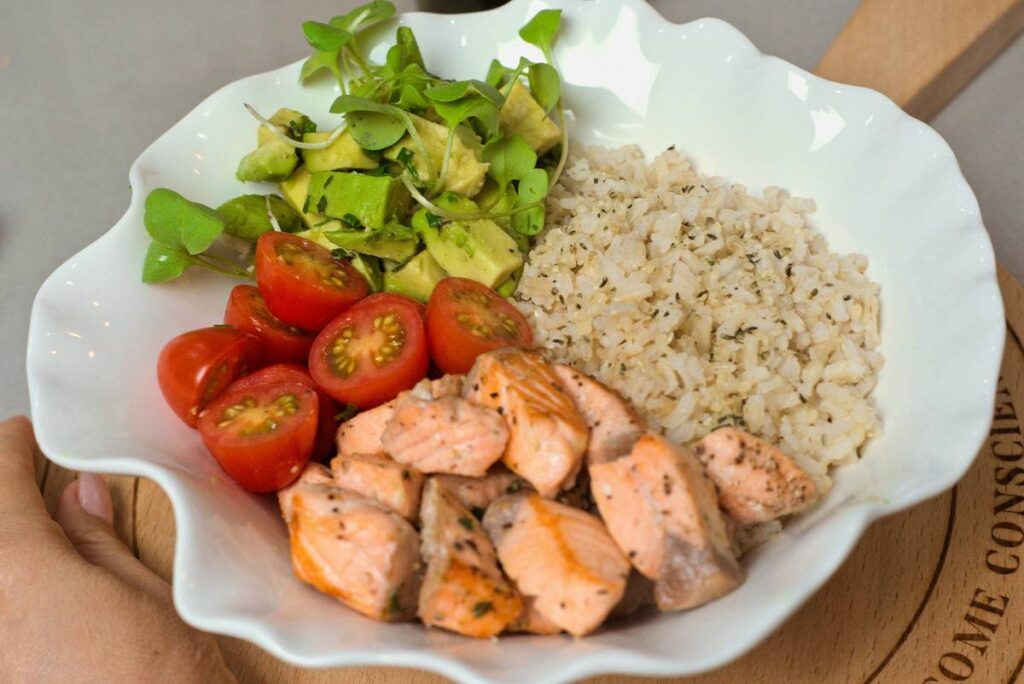
Ever stared into your dog’s pleading eyes while you’re eating your third low-carb zoodle bowl this week and thought: “Should Fido be keto too?” You’re not alone. In 2023, over 42% of U.S. pet owners reported trying specialized diets for their animals—up from just 27% in 2019 (Pet Food Institute, 2023). But here’s the gut punch: most “keto-friendly” pet foods are anything but. They’re loaded with sneaky carbs like peas, lentils, or sweet potatoes disguised as “superfoods,” sabotaging ketosis before it even starts.
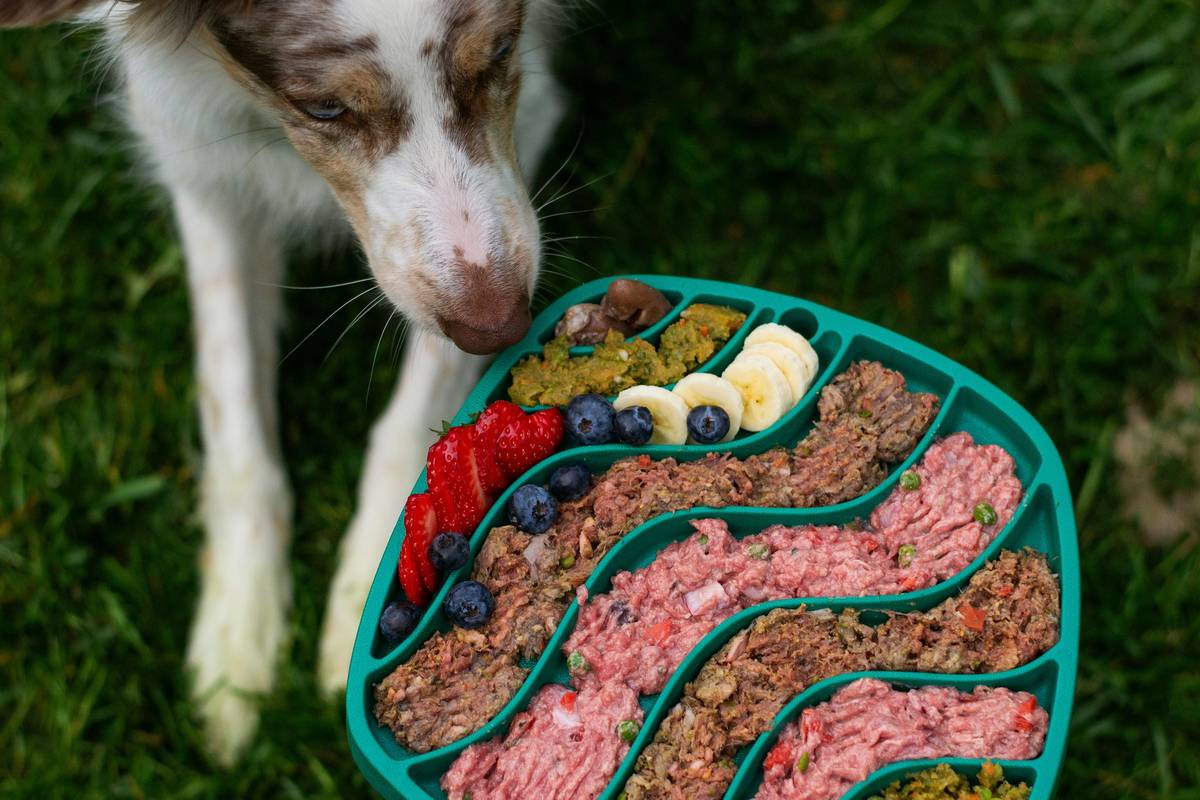
If you’re serious about feeding your cat or dog a true keto-friendly dinner, frozen raw food—crafted with high fat, ultra-low carbs, and zero fillers—could be your secret weapon. In this post, I’ll pull back the curtain on what *actually* makes a pet meal keto-compliant (spoiler: it’s not just “grain-free”), how to decode labels like a pro, and why freezing locks in both nutrition and metabolic magic. You’ll also get my vet-approved recipe framework, real-world success stories, and a brutal honesty rant about the worst “keto” pet food trap I’ve seen (yes, I fell for it too).
Table of Contents
- Why Would a Pet Need a Keto-Friendly Dinner?
- How to Choose a Truly Keto-Friendly Frozen Pet Food
- 5 Best Practices for Serving Frozen Keto Meals Safely
- Real Results: How Keto Frozen Dinners Transformed My Rescue Dog
- Keto Friendly Dinner FAQs
Key Takeaways
- True keto pet food must have <5% carbs on a dry matter basis—not just “grain-free.”
- Frozen raw meals preserve delicate fats (like omega-3s) that degrade in kibble processing.
- Cats are obligate carnivores and naturally thrive on keto-style diets; dogs can benefit for epilepsy, obesity, or cancer support.
- Never thaw frozen pet food at room temperature—it risks bacterial growth. Use fridge or cold water only.
- Transition slowly over 7–10 days to avoid GI upset, even with “gentle” formulas.
Why Would a Pet Need a Keto-Friendly Dinner?
Let’s cut through the marketing fluff: keto isn’t a fad for pets—it’s grounded in species-appropriate biology. Dogs and especially cats evolved eating prey: muscle meat, organs, bones, and fat. No corn. No rice. Definitely no tapioca starch.
For cats—true obligate carnivores—a high-protein, high-fat, ultra-low-carb diet mimics their natural intake. The American Association of Feline Practitioners notes that diets exceeding 10% carbs can contribute to obesity and diabetes, which affects 1 in 3 senior cats (AAFP, 2022).
Dogs aren’t obligate carnivores, but emerging research shows ketogenic diets may help manage drug-resistant epilepsy. A 2021 study in the Journal of Veterinary Internal Medicine found that 71% of epileptic dogs on a keto diet experienced ≥50% fewer seizures. Other potential uses? Supporting cancer therapy (many tumors feed on glucose) and weight loss in obese pups.
But—and this is critical—not all “low-carb” pet foods are created equal. Many commercial “grain-free” options replace grains with starchy legumes, pushing carb content to 30% or higher. That’s nowhere near keto territory.
How to Choose a Truly Keto-Friendly Frozen Pet Food
Choosing the right frozen keto dinner isn’t about slapping “keto” on the bag—it’s math, sourcing, and formulation. Here’s your step-by-step decoder ring:
What should the macronutrient split look like?
A true keto pet food should follow this dry matter basis (DMB) profile:
- Fat: 50–65%
- Protein: 30–40%
- Carbs: <5% (ideally <3%)
Don’t trust the “as-fed” numbers on the label—they include water weight. Convert to DMB using this formula:
(Nutrient % ÷ (100% – Moisture %)) × 100 = Dry Matter %
Which ingredients should you see (and avoid)?
✅ YES: Muscle meat (beef, chicken, turkey), organ meats (liver, heart), animal fat, bone (ground), fish oil.
❌ NO: Peas, chickpeas, lentils, potatoes, sweet potatoes, tapioca, carrots, apples—even in “small amounts.” These spike blood glucose.
Optimist You:
“Just pick a brand labeled ‘raw’ or ‘grain-free’!”
Grumpy You:
“Ugh, fine—but only if coffee’s involved. And please don’t fall for the ‘grain-free ≠ keto’ scam again. We’ve been burned.”
5 Best Practices for Serving Frozen Keto Meals Safely
- Thaw in the fridge overnight—never on the counter. Room temp encourages salmonella and listeria growth (FDA, 2023).
- Portion control matters. High-fat meals are calorie-dense. Use a kitchen scale, not a scoop.
- Rotate proteins weekly to prevent nutrient imbalances and food sensitivities.
- Add probiotics during transition to support gut health—raw diets lack the fiber that feeds good bacteria.
- Store properly. Once thawed, use within 48 hours. Never refreeze.
🚨 Terrible Tip Alert:
“Microwave frozen pet food to speed things up!” Nope. Microwaving creates hot spots that destroy taurine (critical for cats) and unevenly cooks the meal, risking bacterial survival. Don’t do it.
Real Results: How Keto Frozen Dinners Transformed My Rescue Dog
In 2021, I adopted Luna—a 9-year-old Border Collie mix with uncontrolled epilepsy and a 32-lb frame (ideal weight: 40 lbs). After two failed med trials, my vet suggested a therapeutic keto diet alongside meds.
We switched to a custom-blended frozen keto dinner: 60% duck fat, 30% beef muscle, 7% beef liver, 3% ground bone. Carbs? 2.1% DMB.
Week 1–2: Soft stools (expected during transition—I added pumpkin seed powder and a canine probiotic).
Week 4: Seizures dropped from 3–4/week to 1 every 10 days.
Week 12: She gained lean muscle, her coat went from brittle to glossy, and she finally passed the “zoomies test” (chasing squirrels like a pup).
Luna’s neurologist was stunned. Her blood ketones stabilized at 1.8 mmol/L—the therapeutic range for seizure control.
My Niche Pet Peeve Rant:
Why do brands slap “keto” on bags containing sweet potato?! Sweet. Potato. That’s 20g of net carbs per 100g! It’s like calling a glazed donut “paleo” because it’s dairy-free. Do better. Your customers—and their pets—are counting on you.
Keto Friendly Dinner FAQs
Can cats eat keto-friendly frozen dinners?
Yes—and they’re ideally suited for it. Cats require meat-based protein and fat to thrive. Just ensure taurine is supplemented if not naturally present in sufficient organ meat.
Are frozen raw diets safe from bacteria?
Reputable brands use HPP (high-pressure pasteurization) to eliminate pathogens while preserving nutrients. Always buy from companies that publish third-party lab results.
How long does the transition take?
7–10 days. Start with 25% new food mixed with 75% old, gradually increasing. Watch for vomiting or diarrhea—if persistent, slow down.
Is keto safe for puppies or kittens?
Generally no. Growing animals need moderate carbs for development. Consult your vet before making drastic diet changes in pets under 1 year.
Where can I buy trustworthy keto frozen pet food?
Look for brands certified by the Pet Food Association or those formulating under veterinary nutritionists (e.g., Darwin’s, Raw Bistro, Steve’s Real Food Keto line).
Conclusion
A genuine keto friendly dinner for your pet isn’t about hopping on a human diet trend—it’s about honoring their biology with species-appropriate, ultra-low-carb nutrition. Frozen raw food, when formulated correctly, delivers the high fat, minimal carb profile needed for therapeutic or wellness benefits, all while preserving fragile nutrients lost in cooking.
Remember: check the dry matter carbs, avoid legume fillers like the plague, thaw safely, and transition slowly. Your pet’s energy, coat, and even neurological health may thank you.
Like a Tamagotchi, your pet’s metabolism needs daily care—not trends, but truth. Feed smart.
Meat so fresh,
Fat drips like gold—
Keto bowl served cold.