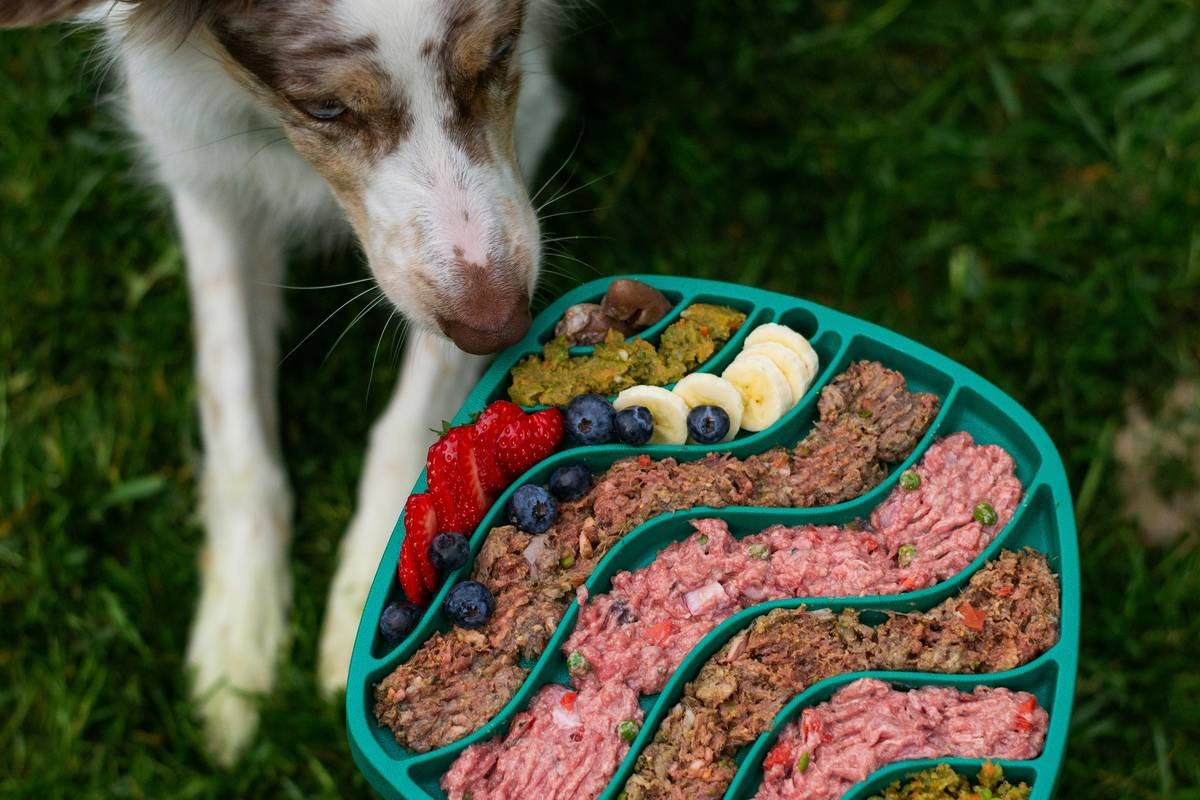
Most commercial pet foods masquerade as “healthy” while packing fillers, mystery meals, and enough carbs to spike your dog’s blood sugar like soda. And yet—despite rising vet bills and digestive issues—we keep feeding them. The real solution? A lean protein bowl: minimally processed, frozen fresh, and formulated for peak canine vitality.
The Core Problem With Conventional Pet Nutrition
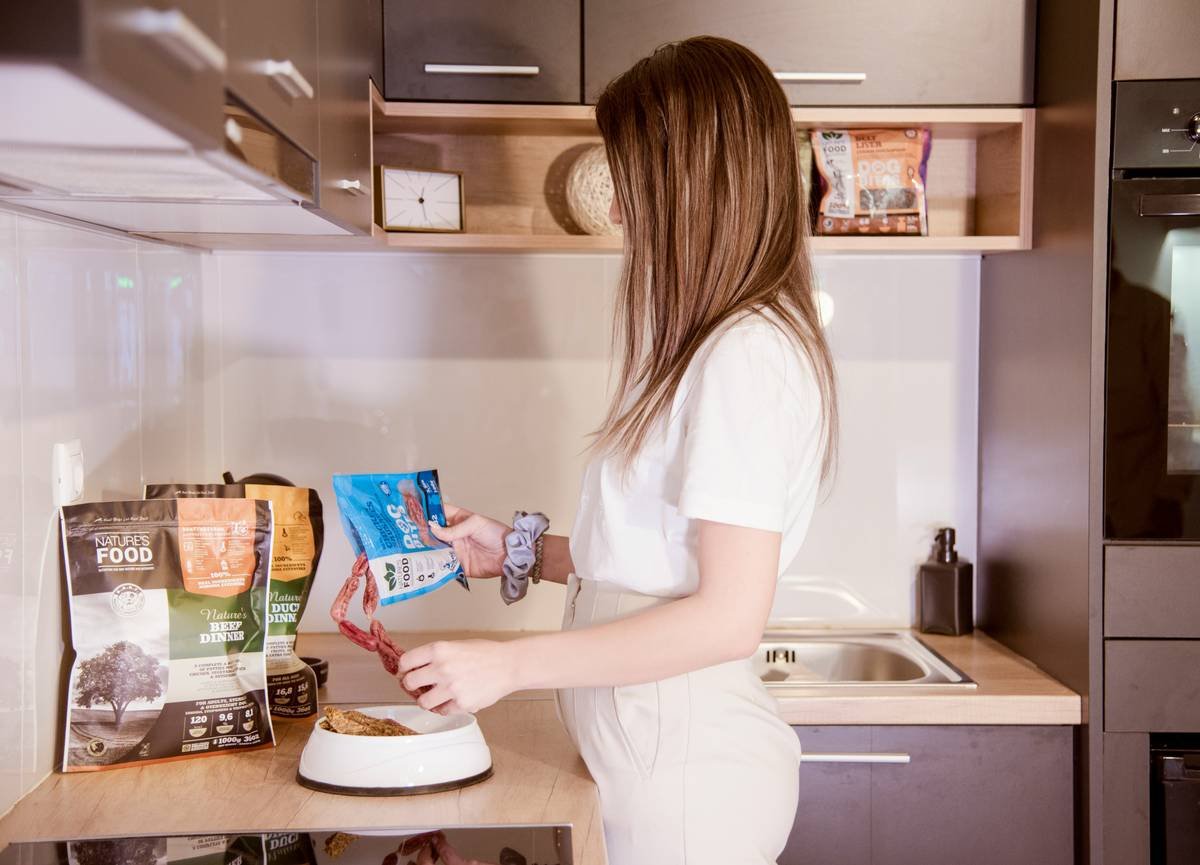
Dry kibble dominates the market—and your pantry—because it’s cheap and shelf-stable. Not because it’s optimal. In fact, standard processing strips out moisture and delicate nutrients, forcing manufacturers to spray on synthetic vitamins later. Real meat? Often listed third or fourth, masked by terms like “animal digest” or “meat meal.”
Your dog’s ancestors weren’t crunching pellets in the wild. They thrived on moisture-rich muscle meat, organs, and bone. Depriving them of that now creates chronic low-grade inflammation—linked to obesity, allergies, and joint pain.
How to Build the Perfect Lean Protein Bowl at Home
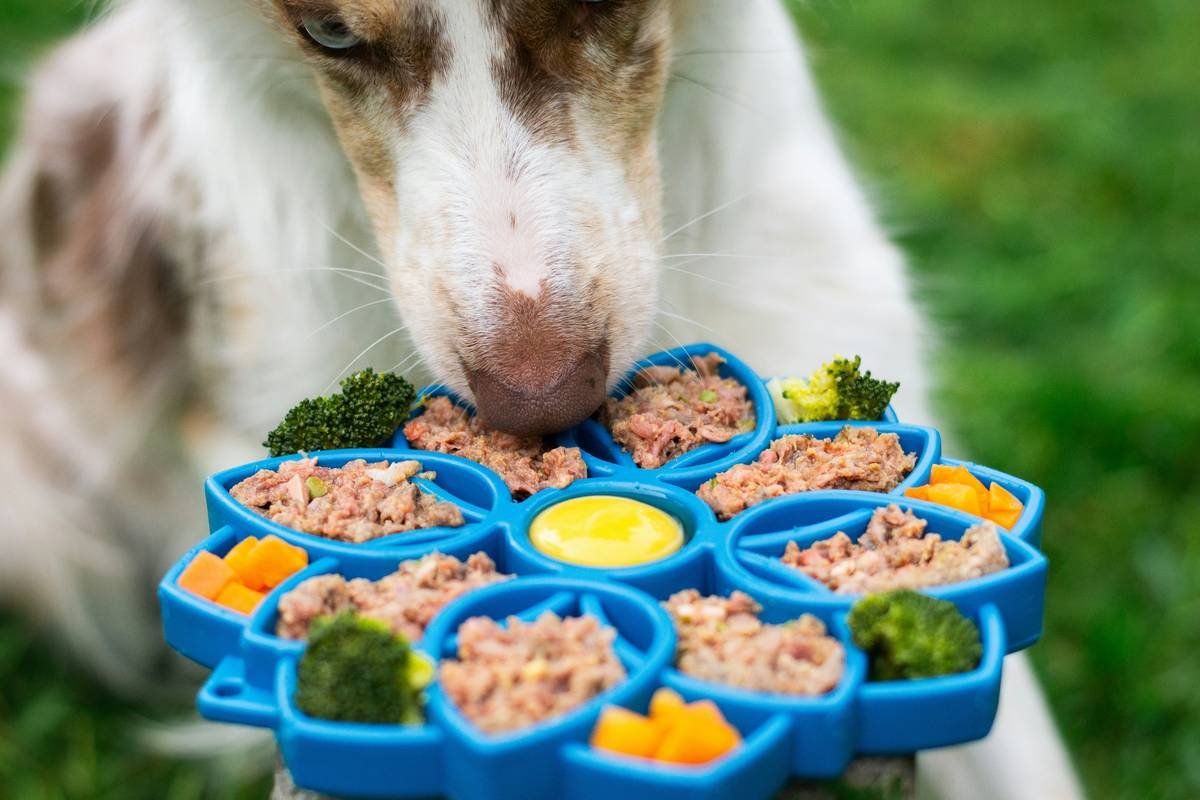
Frozen doesn’t mean inferior—it means locked-in freshness. When done right, a lean protein bowl delivers bioavailable amino acids without the inflammatory fat loads found in many raw diets. Here’s your blueprint:
Select Your Protein Sources Wisely
Opt for human-grade turkey breast, rabbit loin, or skinless chicken thighs. Avoid fatty cuts like lamb shoulder unless prescribed for specific conditions. Rotate proteins weekly—diversity prevents sensitivities.
Don’t Skip the Micronutrient Boosters
Pure muscle meat lacks calcium, zinc, and omega-3s. Fold in steamed kale, blueberries, or a teaspoon of ground flaxseed. But skip onions, garlic, grapes—obviously toxic, yet still found in some “natural” blends.
Freeze Smart, Thaw Safer
Portion into BPA-free containers immediately after cooking. Freeze flat for rapid thawing in cold water—not the microwave. Heat destroys enzymes; cold preserves them.
| Method | Nutrient Retention | Avg. Cost per Meal | Risk of Contamination |
|---|---|---|---|
| Dry Kibble | Low (heat-processed) | $0.80 | Moderate (recalls common) |
| Canned Wet Food | Medium | $1.60 | Low-Medium |
| Homemade Cooked + Frozen | High | $2.10 | Very Low (if handled properly) |
| Commercial Raw Frozen | High | $3.50+ | Medium-High (pathogen risk if not HPP-treated) |
The Industry Secret No One Admits
Here’s what premium pet food brands won’t tell you: their “complete and balanced” claims often rely on synthetic taurine, DL-methionine, and chelated minerals—lab-made substitutes for what real food naturally provides. At Chiang Mai Frozen Foods, we’ve seen labs reject batches for *too much* natural nutrient variance. Regulators prefer consistency over biological truth.
But biology isn’t consistent. A wild duck has different fat ratios than farmed rabbit. That’s okay. Your dog’s system evolved to adapt—unlike rigid kibble formulas. Embrace variability. It’s not a flaw. It’s nature’s design.
Frequently Asked Questions
Is a lean protein bowl suitable for senior dogs?
Absolutely. Reduced fat eases kidney and pancreas load. Just add joint-supporting greens like green-lipped mussel powder or turmeric.
How long can I store a frozen lean protein bowl?
Up to 3 months in airtight containers at 0°F (-18°C). Label with dates—older batches lose texture faster than nutrition.
Can puppies eat a lean protein bowl?
Yes—but include more fat (like a spoon of salmon oil) and finely ground eggshell for calcium during growth phases.