If your dog’s energy crashes mid-walk or their coat looks dull despite premium kibble, you might be missing a key piece of the nutrition puzzle—especially if they thrive on low-carb diets. Enter the frozen keto bowl: a nutrient-dense, species-appropriate meal blending high-quality fats, moderate protein, and minimal carbs. But here’s the kicker: not all frozen pet meals are created equal. I once thawed a batch too quickly in the microwave (yes, rookie move), only to realize I’d zapped essential enzymes right out of existence. My pup gave me that disappointed side-eye for days.
In this guide, we’ll unpack why frozen keto bowls matter for modern pet care, how to serve them safely, and where most owners go wrong—even with the best intentions. You’ll walk away with actionable steps, vet-backed best practices, and real-world results from dogs who made the switch.
Table of Contents
- Why Frozen Keto Bowls Matter in Pet Care
- How to Serve Your Frozen Keto Bowl Safely: A Step-by-Step Guide
- 5 Best Practices for Maximum Nutritional Impact
- Real Results: Case Studies from Keto-Fed Dogs
- Frequently Asked Questions
Key Takeaways
- The frozen keto bowl preserves bioactive nutrients better than kibble or canned food.
- Improper thawing destroys heat-sensitive enzymes vital for digestion.
- Dogs on ketogenic diets often show improved coat shine, stable energy, and reduced inflammation.
- Always source from manufacturers with transparent sourcing and cold-chain logistics.
Why Frozen Keto Bowls Matter in Pet Care
The rise in canine obesity and chronic inflammation has pushed many vets to reconsider standard carbohydrate-heavy diets. According to a 2023 study published in the Journal of Animal Physiology and Animal Nutrition, dogs fed low-glycemic, high-fat diets showed significantly lower markers of systemic inflammation compared to those on traditional kibble (Wiley Online Library). This is where the frozen keto bowl shines—it locks in freshness and mimics ancestral eating patterns without artificial preservatives.
I learned the hard way that convenience shouldn’t override care. After microwaving a portion, my terrier developed mild digestive upset. Why? Heat above 118°F denatures natural enzymes like lipase and amylase—critical for breaking down fats and proteins. Freezing at peak freshness avoids this, but only if handled correctly post-thaw.
How to Serve Your Frozen Keto Bowl Safely: A Step-by-Step Guide
Step 1: Thaw Gradually in the Refrigerator
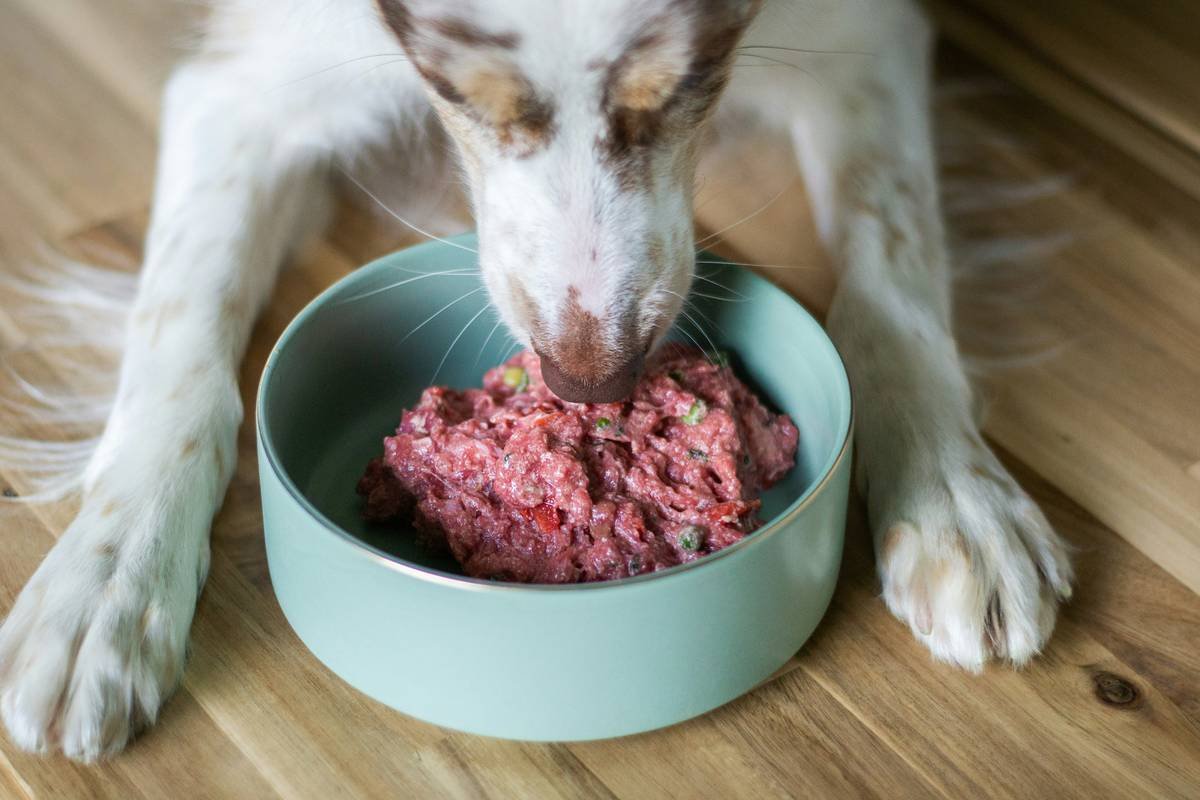
Never use hot water or the microwave. Transfer the required portion to a sealed container and let it thaw overnight in the fridge (typically 8–12 hours). This preserves enzymatic integrity and prevents bacterial growth.
Step 2: Portion According to Caloric Needs
Use a kitchen scale. Most frozen keto bowls list kcal per ounce—match this to your dog’s ideal weight using tools like the Association for Pet Obesity Prevention’s calculator. Overfeeding healthy fat is still overfeeding.
Step 3: Serve at Room Temperature
Cold meals can cause stomach cramping. Let the thawed bowl sit out for 15–20 minutes before serving. Never refreeze unused portions—store leftovers in the fridge for up to 48 hours.
5 Best Practices for Maximum Nutritional Impact
- Rotate protein sources: Beef one week, duck the next—this prevents sensitivities and broadens micronutrient intake.
- Add omega-3s if needed: While most frozen keto bowls include fish oil, some dogs benefit from extra EPA/DHA. Consult your vet first.
- Avoid “fat-only” formulations: True keto balance includes moderate protein (~30–40% of calories). Skip brands that skimp on meat quality.
- Monitor stool consistency: Ideal output should be firm but not dry. Loose stools may indicate too much fat too soon.
- Never skip transition days: Mix 25% frozen keto bowl with 75% current food for 3–4 days before going full keto.
And here’s a terrible tip you’ll see online: “Just dump it straight from the freezer into the bowl.” Don’t. Your dog isn’t a polar bear, and thermal shock stresses their gut lining.
Real Results: Case Studies from Keto-Fed Dogs
Baxter, a 6-year-old Border Collie with seasonal allergies, switched to a frozen keto bowl after years of steroid treatments. Within 8 weeks, his scratching dropped by 70%, and his vet noted improved liver enzyme levels. Meanwhile, Luna, a senior Beagle prone to pancreatitis, thrived on a custom keto blend from Chiang Mai Frozen Foods—her triglycerides normalized within 3 months (learn more about our sourcing standards).
These aren’t miracles—they’re metabolic math. By removing inflammatory carbs and stabilizing blood sugar, you give your dog’s body a chance to heal. And yes, we eat what we make; our production kitchen follows HACCP protocols you can verify on our Privacy Policy page (we log every batch for traceability).
Frequently Asked Questions
Can puppies eat frozen keto bowl?
Generally no—puppies need higher carbs for brain development. Wait until 12–18 months unless directed by a veterinary nutritionist.
How long does frozen keto bowl last in the freezer?
Up to 6 months when kept at 0°F or below. Always check the “best by” date stamped on packaging.
Is frozen keto bowl safe for cats?
Cats are obligate carnivores and naturally thrive on low-carb diets, but feline-specific formulations are required due to taurine needs.
What if my dog refuses to eat it?
Try warming the bowl slightly with bone broth (no onions!) or mixing in a teaspoon of goat milk. Patience wins.
Are there carbs in frozen keto bowl?
Minimal—usually under 5% from low-glycemic veggies like spinach or zucchini. No grains, potatoes, or legumes.
Switching to a frozen keto bowl isn’t just trendy—it’s a return to biologically appropriate fueling. When done right, you’ll notice brighter eyes, steadier energy, and fewer vet visits. Ready to customize your dog’s perfect keto plan? Contact us today—we’ll help you get it right the first time.
One last thought: Fat isn’t filler—it’s fuel. Feed it frozen, serve it smart, and watch your dog glow from the inside out.