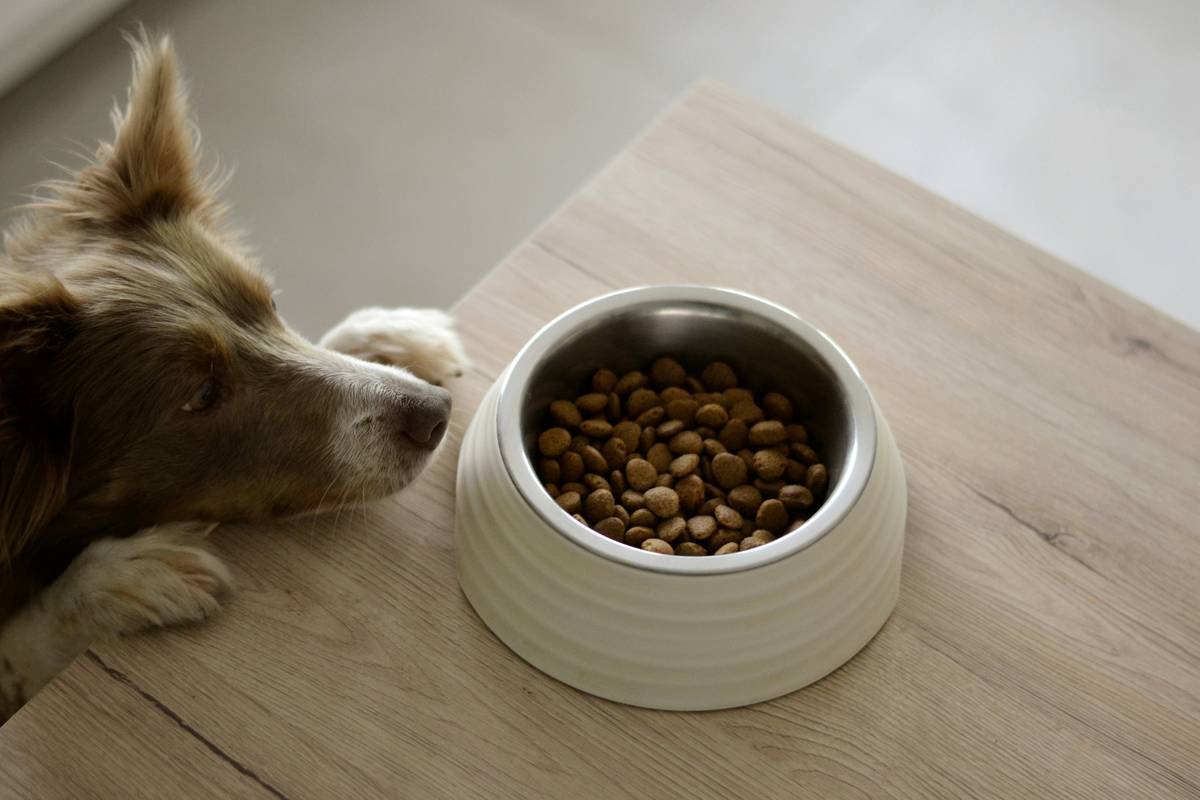
Most dogs with food sensitivities suffer in silence—itchy skin, digestive chaos, chronic ear infections. Owners cycle through endless kibble formulas, hoping for relief. But conventional dry food is packed with fillers, mystery meats, and preservatives that mask real nutrition. The solution? Go back to basics—with limited ingredient frozen meals that offer purity without compromise.
The Core Problem: Why Standard “Sensitive Stomach” Kibble Fails
“Limited ingredient” on a bag label often means smoke and mirrors. Corn gluten meal. Dried beet pulp. Hydrolyzed chicken liver. These aren’t single-source proteins—they’re processed powders designed to look clean while hiding cross-contamination risks. And heat processing during extrusion destroys essential enzymes and probiotics your dog actually needs.
Worse? Many brands use the same manufacturing lines for dozens of formulas. Trace allergens slip in unnoticed. Your pup reacts—not because you chose poorly, but because the system isn’t built for true simplicity.
How to Transition to limited ingredient frozen the Right Way
Switching cold turkey causes GI upset. Do it right, or you’ll undo all the benefits. Here’s how seasoned pet nutritionists actually do it:
Step 1: Identify the True Trigger
Don’t assume it’s chicken or beef. Run an elimination trial with one novel protein (like duck or rabbit) and one digestible carb (sweet potato, not peas). Stick to it for 8 weeks—no treats, no table scraps.
Step 2: Thaw Smart, Not Fast
Microwaving zaps nutrients. Instead, move portions from freezer to fridge 12–24 hours before feeding. For last-minute meals? Seal in a zip bag and submerge in cool running water—never hot.
Step 3: Monitor Beyond the Bowl
Track energy levels, stool consistency, and coat shine—not just vomiting or diarrhea. Real healing shows in subtle shifts over time.
| Feeding Method | Nutrient Retention | Allergen Control | Avg. Cost per Meal (30lb dog) |
|---|---|---|---|
| Standard “Limited Ingredient” Kibble | Low (heat degradation) | Poor (shared equipment) | $2.10 |
| Home-Cooked | Moderate (varies by recipe) | Good (if strict hygiene) | $3.40 |
| limited ingredient frozen | High (flash-frozen raw) | Excellent (dedicated batches) | $3.80 |
The Industry Secret: Frozen Doesn’t Mean Raw-Only
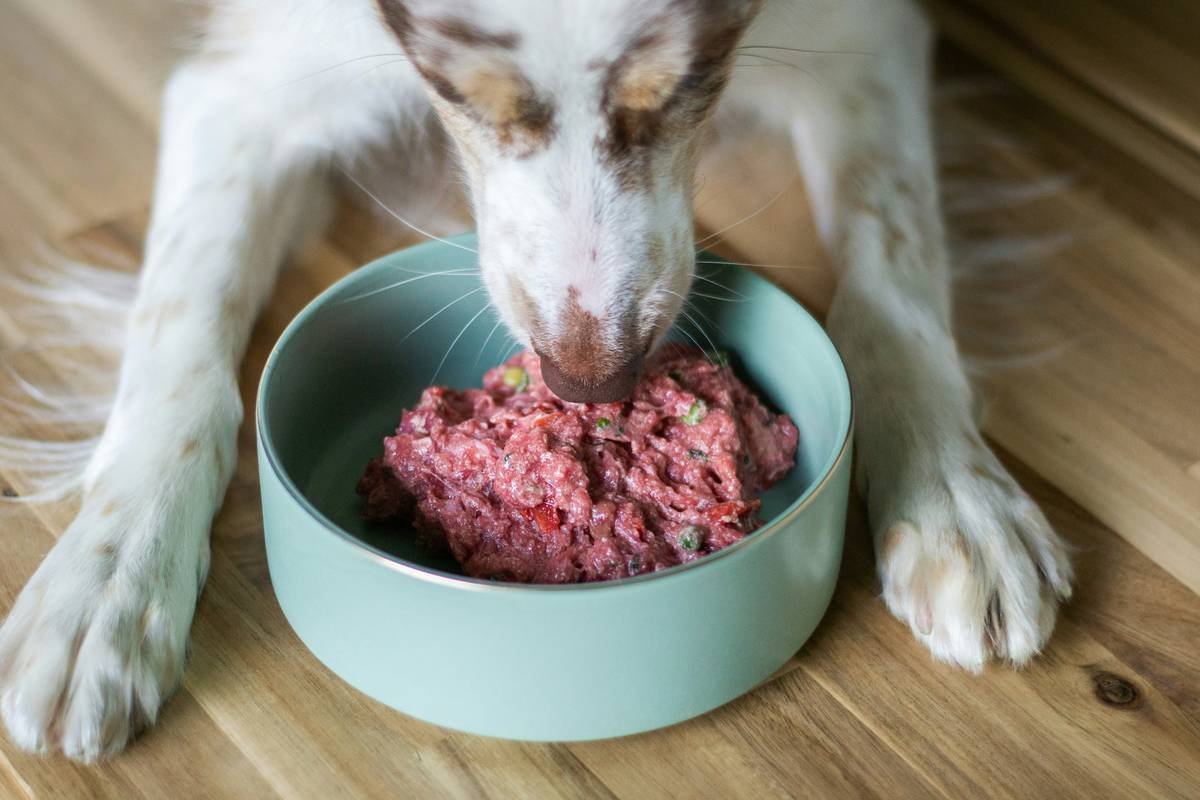
Here’s what few admit: not all frozen dog food is raw. Some premium lines—like ours at Chiang Mai—gently cook proteins before flash-freezing. Why? Because certain dogs with pancreatic issues or compromised immunity can’t handle raw bacteria, even if it’s “safe.” Yet cooked-frozen meals retain far more moisture and micronutrients than kibble. They’re the middle path most vets won’t mention unless you ask directly. Think about it: your dog isn’t a wolf. They’re a domesticated companion who evolved alongside cooked human scraps for millennia. Sometimes, lightly cooked + frozen is the sweet spot.
Frequently Asked Questions
Is limited ingredient frozen safe for puppies?
Yes—if formulated for growth stages. Look for AAFCO “All Life Stages” or “Growth” statements. Avoid adult-only formulas; pups need higher calcium and fat.
How long does thawed frozen dog food last?
Up to 48 hours refrigerated in an airtight container. Discard leftovers after that—no reheating.
Can I mix frozen food with kibble?
Temporarily, yes—but digestion speeds differ. Kibble sits longer in the gut than moist food, potentially causing fermentation. Better to fully transition or feed meals separately.