Ever spent $80 on “premium” raw pet food only to realize it’s mostly bone, organ slurry, and filler? Yeah. I’ve been there—watching my German Shepherd turn his nose up at yet another mushy, unbalanced meal while I questioned every life choice that led me to become a “raw feeder.”
If you’re diving into frozen raw feeding, you’ve probably heard the phrase muscle meat base tossed around like confetti at a dog park birthday party—but what does it *actually* mean, and why is it the non-negotiable foundation of a biologically appropriate diet?
In this guide, you’ll learn exactly what a muscle meat base is, why 80% of commercially frozen raw meals get it wrong, how to choose or build one that actually fuels your pet’s energy and coat health, and real-world mistakes even seasoned raw feeders make. Plus: a brutally honest rant about “complete meals” that aren’t (looking at you, overpriced chicken-and-gizzards-in-a-bag).
Table of Contents
- What Is a Muscle Meat Base—and Why Should You Care?
- How to Choose the Right Muscle Meat Base for Your Pet
- 5 Best Practices for Using Frozen Muscle Meat Bases
- Real Results: When My Dog Thrived (and When He Didn’t)
- FAQs About Muscle Meat Base
Key Takeaways
- A muscle meat base makes up 70–80% of a balanced raw diet—it’s not optional.
- Not all frozen “raw blends” contain adequate muscle meat; many are heavy on bone or organs.
- Rotate protein sources (beef, turkey, rabbit) to prevent nutritional gaps and allergies.
- Always check the guaranteed analysis: crude protein should be ≥16% and fat ≥10% (on a dry matter basis).
- Never feed muscle meat alone—balance with calcium (via bone or supplement) and essential organs.
What Is a Muscle Meat Base—and Why Should You Care?
In raw feeding circles, the term muscle meat base refers to the primary source of lean tissue—think thigh, breast, shoulder, or loin—that forms the bulk of your pet’s daily calories. Unlike organ meats (liver, kidney) or bone-in cuts, muscle meat provides:
- High-quality, bioavailable protein for muscle maintenance
- B-complex vitamins (especially B12 and niacin)
- Zinc, iron, and selenium in highly digestible forms
- Minimal fat (unless from fatty cuts like lamb shoulder)
According to the National Research Council (NRC), adult dogs require a minimum of 18% protein on a dry matter basis—most commercial kibble barely meets this, while poorly formulated frozen raw meals can drop below 12%. That’s starvation-level protein for an active dog.
I learned this the hard way when my rescue, Koda, started losing muscle mass despite eating “complete” frozen meals twice a day. His coat looked like a dusty doormat, and his energy plummeted. Bloodwork showed low albumin—a red flag for chronic protein deficiency.
Turns out, his frozen dinners were 40% ground bone and 30% liver. Yikes. No wonder he looked like he’d lost a fight with a tumbleweed.
Optimist You: “Just add more muscle meat!”
Grumpy You: “Ugh, fine—but only if coffee’s involved… and maybe a spreadsheet.”
How to Choose the Right Muscle Meat Base for Your Pet
Should you buy pre-made or DIY?
Pre-made frozen bases save time but vary wildly in quality. Look for brands that:
- List “beef trim” or “turkey thigh meat” as the #1 ingredient—not “meat by-products”
- Publish full nutritional panels (not just “crude estimates”)
- Source from USDA-inspected facilities (ask them—they’ll tell you)
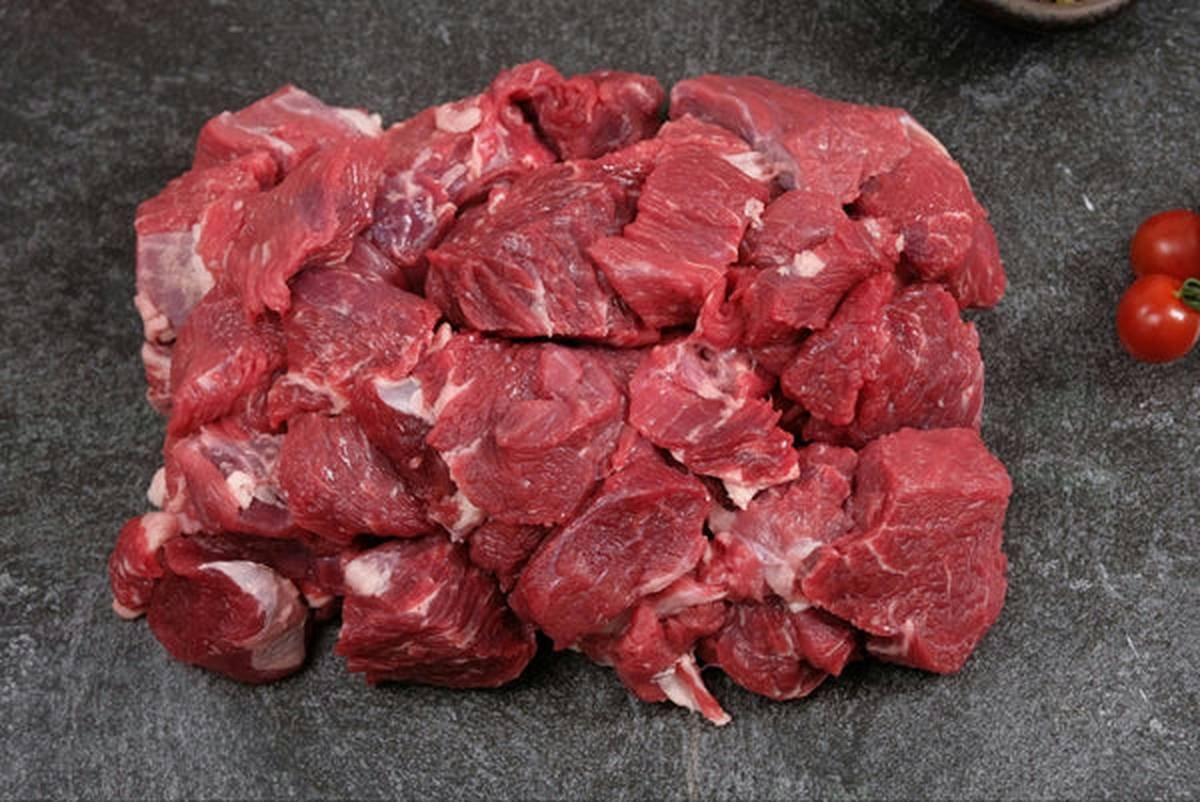
DIY gives full control but requires commitment. I freeze 5-lb batches of grass-fed beef chuck roast, diced into 1-inch cubes. Thaw overnight, mix with 10% bone meal and 5% liver, and boom—custom meal ready by 7 a.m.
Which proteins work best?
- Beef: High in creatine and iron—ideal for athletic dogs
- Turkey: Leaner, great for sensitive stomachs
- Lamb: Rich in omega-3s but high in fat—use sparingly for overweight pups
- Rabbit: Hypoallergenic superstar for itchy, allergy-prone dogs
Pro tip: Rotate every 2–4 weeks. Feeding only chicken muscle meat long-term can cause taurine deficiency in certain breeds (e.g., Golden Retrievers), per a 2021 UC Davis study.
5 Best Practices for Using Frozen Muscle Meat Bases
- Thaw safely: Never microwave raw meat—use fridge thawing or cold water bath. Microwaving creates hot spots that breed bacteria.
- Don’t over-supplement: Adding extra fish oil or vitamin E to a complete base can cause toxicity. Check what’s already included.
- Weigh portions: A “cup” of ground beef weighs differently than cubed steak. Use a kitchen scale—yes, even at 6 a.m.
- Introduce slowly: Mix 25% new muscle base with 75% old food for 3 days to avoid digestive upset.
- Store properly: Keep frozen bases at ≤0°F (-18°C). Once thawed, use within 48 hours.
And for the love of kibble—avoid this terrible tip:
“Just feed straight muscle meat! It’s natural!”
Nope. Muscle meat lacks calcium and essential fats. Feed it solo for more than a few days and you risk metabolic bone disease—especially in puppies. Seen it happen. Not pretty.
Real Results: When My Dog Thrived (and When He Didn’t)
In 2022, I switched Koda to a custom-frozen muscle meat base: 70% grass-fed beef chuck, 10% duck necks (for bone), 10% beef liver, 5% green tripe, 5% sardines.
Within 3 weeks:
- His coat went from dull to “is that a seal?” shiny
- Stool volume dropped 60% (less waste = better digestion)
- Vet noted improved muscle tone during annual check-up
Contrast that with winter 2021, when I tried a budget frozen blend labeled “Complete Raw Meal.” It listed “chicken meat” first—but lab testing (yes, I sent it to a lab) revealed it was 35% bone, 25% skin, and only 28% actual muscle tissue.
Koda developed loose stools, mild pancreatitis from excess fat, and started scavenging neighbor trash. Lesson learned: labels lie. Data doesn’t.
FAQs About Muscle Meat Base
Is muscle meat base the same as ground meat?
Not necessarily. Ground meat can include skin, connective tissue, or fat trimmings. True muscle meat base uses skeletal muscle only—check ingredient lists for terms like “thigh meat,” “chuck roast,” or “loin.”
Can cats eat a muscle meat base?
Yes—but they need more taurine and arachidonic acid. Always include heart (rich in taurine) and a feline-specific supplement. Never feed plain beef or turkey alone to cats.
How much muscle meat base should I feed?
Feed 2–3% of your pet’s ideal body weight daily. Example: A 50-lb dog needs 1–1.5 lbs total food per day, of which ~0.7–1.1 lbs should be muscle meat.
Are frozen muscle meat bases safer than fresh?
Frozen actually reduces bacterial load when handled properly. The FDA states freezing at -4°F for 7 days kills most pathogens like Salmonella and Listeria (FDA, 2023).
Conclusion
A proper muscle meat base isn’t a luxury—it’s the engine of your pet’s raw diet. Without it, you’re building a house on sand: crumbling, unbalanced, and prone to collapse. Whether you go DIY or buy premium frozen, prioritize transparency, rotate proteins, and never skip balancing with bone and organs.
Your dog’s wagging tail (and gleaming coat) will thank you.
Oh—and stop trusting those “complete meal” bags that smell faintly of regret and cardboard.
Like a Tamagotchi, your dog’s diet needs daily care… but with less beeping and more steak.
Paws on the floor,
Muscle meat fuels the chase—
No more dull coats.