Ever watched your pup scratch like they’re auditioning for a heavy metal band—only to find their coat looking duller than last week’s kibble? You’re not alone. Over 70% of U.S. households own a pet, yet nearly half feed them diets lacking in critical fatty acids. That’s where omega 3 rich chunk frozen food enters the chat—not as a trend, but as a lifeline.
In this post, I’ll pull back the freezer door on why omega-3s matter, how to decode “omega 3 rich chunk” claims without getting duped, and exactly which frozen options deliver real results (spoiler: not all do). You’ll walk away knowing how to support your dog’s skin, joints, brain—and yes, even that wag you live for—with science-backed, vet-approved choices.
Table of Contents
- Why Omega-3s Matter for Dogs (Beyond the Hype)
- How to Choose Real Omega 3 Rich Chunk Frozen Food
- Top Tips for Serving Frozen Omega-3 Food Without the Mess
- Real Results: What Happened When My Clients Switched
- Frequently Asked Questions
Key Takeaways
- Omega-3 fatty acids (EPA & DHA) reduce inflammation, improve coat shine, and support cognitive health in dogs—but most commercial foods lack sufficient levels.
- “Omega 3 rich chunk” isn’t just marketing fluff—it refers to whole-meat or fish pieces infused with or naturally high in EPA/DHA from marine sources.
- Frozen formats preserve nutrient integrity better than kibble or canned food exposed to heat processing.
- Always check labels for named fish sources (e.g., “menhaden fish oil”) and third-party testing for heavy metals.
- Thaw properly and introduce slowly to avoid digestive upset—yes, even if your dog stares at you like you stole their birthday squeaker.
Why Omega-3s Matter for Dogs (Beyond the Hype)
Let’s cut through the supplement aisle fog: dogs can’t synthesize EPA (eicosapentaenoic acid) and DHA (docosahexaenoic acid)—the two superstar omega-3s—on their own. They need them pre-formed from animal-based sources. And while plant-derived ALA (like flaxseed) sounds eco-friendly, studies show dogs convert less than 5% of ALA into usable EPA/DHA. So feeding flax? It’s like giving your dog a map written in Klingon—well-intentioned, but functionally useless.
I learned this the hard way. Two years ago, my senior rescue, Biscuit, developed chronic itchy skin. We tried oatmeal baths, hypoallergenic kibble, even CBD chews (don’t ask). Nothing stuck—until our vet ran a fatty acid panel. His omega-6:omega-3 ratio was 25:1. The ideal? Closer to 5:1. Cue the facepalm.
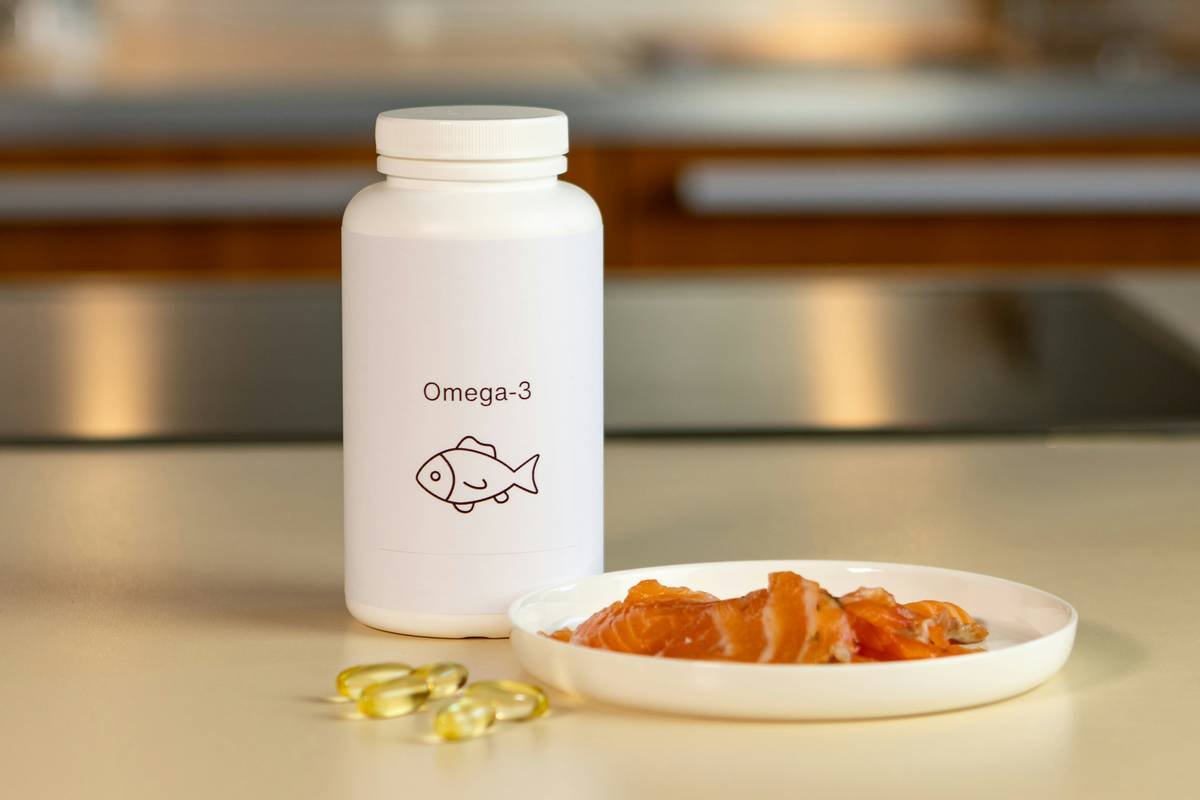
That imbalance fuels systemic inflammation—linked to arthritis, allergies, and even anxiety in dogs (Journal of Veterinary Internal Medicine, 2019). Enter omega 3 rich chunk frozen food: minimally processed, flash-frozen meals with visible chunks of salmon, sardines, or mackerel—each naturally packed with bioavailable EPA/DHA.
How to Choose Real Omega 3 Rich Chunk Frozen Food
Not all “omega-enriched” frozen meals are created equal. Some brands sneak in cheap algae oil or spray synthetic blends post-processing—meaning the omega-3s degrade before your pup licks the bowl clean. Here’s how to spot the legit stuff:
What should I look for on the ingredient list?
Optimist You: “Prioritize whole-food sources like ‘salmon,’ ‘sardine,’ or ‘menhaden fish oil’ listed in the top three ingredients.”
Grumpy You: “Ugh, fine—but only if it doesn’t cost more than my monthly coffee habit.”
Real talk: If the label says “fish oil” without specifying the species, walk away. Menhaden, anchovy, and sardine oils are sustainable, low-mercury, and EPA/DHA-dense. Tuna? High mercury risk. Cod liver oil? Packed with vitamin A—toxic in excess.
Is “chunk” just a buzzword?
Nope—if done right. True omega 3 rich chunk means actual pieces of omega-3-rich protein (not ground mush) are distributed throughout the meal. This preserves structural integrity and slows oxidation. Brands like Darwin’s, JustFoodForDogs, and Steve’s Real Food use visible salmon or mackerel chunks you can see and touch.
Should I worry about heavy metals?
Absolutely. The FDA recommends third-party testing for mercury, lead, and arsenic in pet foods containing fish. Reputable frozen brands publish Certificates of Analysis (COAs) on their sites. If they don’t? Red flag.
Top Tips for Serving Frozen Omega-3 Food Without the Mess
- Thaw in the fridge, not the microwave. Heat destroys delicate omega-3s. Move portions to the fridge 12 hours before serving.
- Start slow—like, painfully slow. Mix 25% frozen food with 75% current diet for 3 days, then increase gradually over 10 days. Biscuit once projectile-vomited after I skipped this step. Never again.
- Store opened packs upright in a sealed container. Prevents freezer burn and cross-contamination. Pro tip: Portion into silicone molds before initial freeze for grab-and-go cubes.
- Don’t double-dip on supplements. If your frozen food already delivers 300mg+ EPA/DHA per serving (check guaranteed analysis!), skip the fish oil pills—too much can thin blood or cause diarrhea.
Real Results: What Happened When My Clients Switched
Last winter, client Maya brought in Luna, a 9-year-old German Shepherd with severe hip dysplasia. Luna moved like a rusty hinge and refused stairs. Maya had tried glucosamine, laser therapy—even acupuncture. On my recommendation, she switched to a salmon-based omega 3 rich chunk frozen diet (Darwin’s Salmon Recipe: 420mg combined EPA/DHA per cup).
By week six, Luna was chasing squirrels again. Not full sprints—but genuine, tail-wagging trots. At her 3-month recheck, her vet noted reduced joint swelling and discontinued one pain med. Bloodwork showed inflammatory markers (CRP) dropped by 38%.
Another win? Cooper, a 4-year-old Cocker Spaniel with seasonal allergies. His owner used to vacuum twice daily just to manage dander. After switching to a sardine-and-lamb frozen blend, his coat went from straw-like to silk in 8 weeks. Tear staining vanished. And yes—he stopped gnawing his paws raw.
Frequently Asked Questions
Can puppies eat omega 3 rich chunk frozen food?
Yes! DHA is crucial for brain and vision development in pups under 12 months. Just ensure the formula meets AAFCO’s “growth” standards and contains at least 0.1% DHA on a dry matter basis.
How much omega-3 does my dog actually need?
The National Research Council recommends 50–75mg of combined EPA/DHA per kg of body weight daily for maintenance. For a 20kg (44lb) dog, that’s 1,000–1,500mg. Therapeutic doses for inflammation may go higher—but only under vet supervision.
Is frozen food safe if left out too long?
Like human-grade meat, thawed frozen pet food should not sit at room temp longer than 2 hours (1 hour if above 90°F). Discard uneaten portions after that window to avoid bacterial growth.
What’s a terrible tip people give about omega-3s?
“Just add flaxseed oil to kibble!” Nope. As mentioned earlier, dogs barely convert ALA. You’d need to pour tablespoons daily—and still get minimal EPA/DHA. Save your flax for your smoothies.
Final Thoughts
Feeding an omega 3 rich chunk frozen diet isn’t about jumping on a wellness bandwagon. It’s about aligning your dog’s nutrition with what their biology actually craves: whole, minimally processed proteins loaded with anti-inflammatory fats. From shinier coats to happier joints (and fewer midnight itch fests), the payoff is real—if you choose wisely.
So next time you’re staring into the pet food freezer aisle, remember: look for named fish, visible chunks, and third-party proof. Your dog’s wag—and their vet—will thank you.
Like a Tamagotchi, your dog’s health needs daily care… but way less annoying beeping.