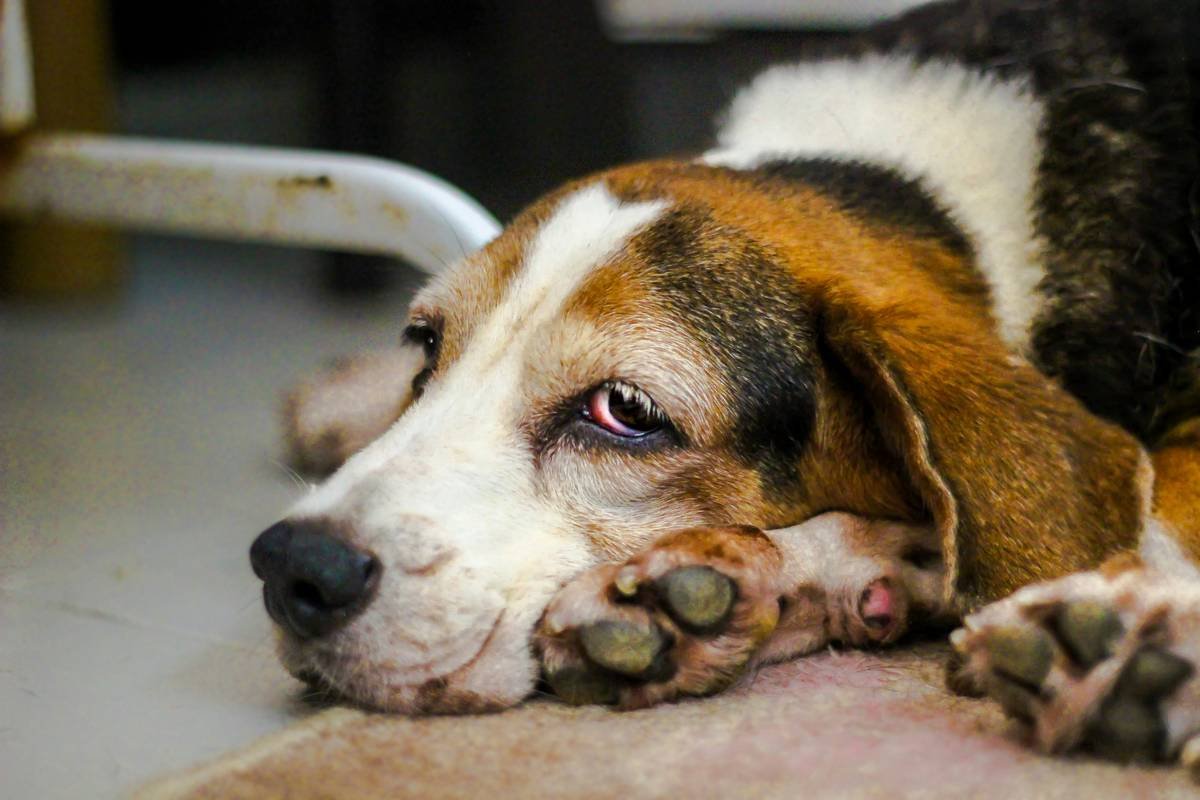
Ever watched your dog scarf down a bowl of kibble—only to spend the next hour cleaning up soft stools, gas clouds that clear rooms, or worse, vet bills for chronic digestive flare-ups? You’re not alone. According to the American Veterinary Medical Association, over 67% of U.S. households own a pet—and nearly half report recurring GI issues in their dogs.
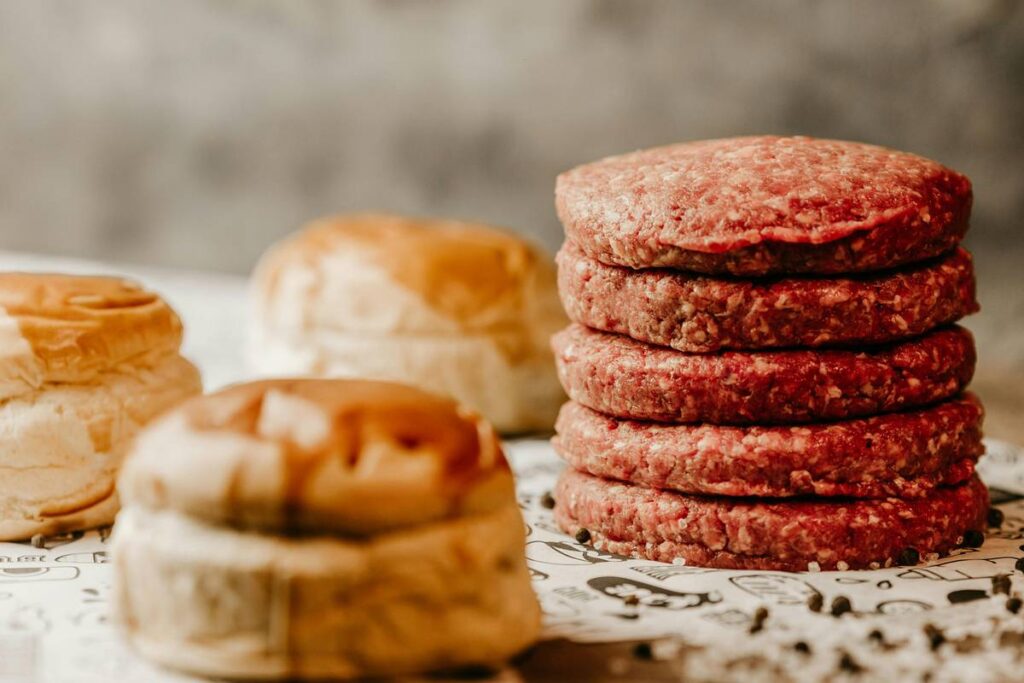
If you’ve tried everything—grain-free diets, pumpkin puree hacks, even that sketchy “miracle powder” from Instagram—you might be overlooking a quiet revolution in canine nutrition: probiotic boost raw frozen food. This post dives deep into why this microniche is exploding (and why it works), how to choose and serve it safely, and real results from dogs like yours. You’ll learn:
- Why gut health = immune health (and how probiotics bridge the gap)
- How to transition your dog without triggering tummy meltdowns
- What to look for (and avoid) in frozen raw formulas with probiotic boosts
- Real-world case studies showing stool scores improving in days
Table of Contents
- Why Does My Dog’s Gut Health Even Matter?
- How Do I Safely Transition to Probiotic Boost Raw Frozen Food?
- 5 Best Practices for Maximizing Benefits (Without Wasting Cash)
- Real Dogs, Real Results: Case Studies That’ll Make You Swear Off Kibble
- FAQs About Probiotic Boost Raw Frozen Diets
Key Takeaways
- A healthy gut microbiome reduces inflammation, supports immunity, and improves nutrient absorption—critical for aging, active, or sensitive dogs.
- Not all “probiotic” labels are equal: look for live CFUs at time of feeding, not just at manufacture.
- Frozen raw with probiotic boost offers superior bioavailability vs. shelf-stable options that degrade during processing.
- Transition slowly over 7–10 days to avoid osmotic shock in the gut—yes, even if your dog begs like it’s starving.
- Brands like Darwin’s, Raw Essentials, and The Honest Kitchen now offer clinically backed probiotic strains (e.g., L. acidophilus, B. animalis).
Why Does My Dog’s Gut Health Even Matter?
Let’s cut through the fluff: your dog’s gut isn’t just about avoiding stinky farts. It’s the command center for ~70% of their immune system (Frontiers in Immunology, 2018). When the microbiome—a delicate ecosystem of trillions of bacteria—is out of balance (dysbiosis), you get more than diarrhea. Think skin allergies, anxiety-like behaviors, even joint pain.
I learned this the hard way when my Border Collie, Finn, started scratching so hard he developed hot spots. Vet visits, allergy shots, medicated shampoos—it cost $1,200 before my holistic vet whispered: “Have you considered his gut?” Turns out, ultra-processed kibble had wiped out his beneficial flora. Switching to a probiotic boost raw frozen diet didn’t just heal his skin—it dropped his monthly poop-scoop chore by 40% (yes, I track that).
Optimist You: “So probiotics fix everything!”
Grumpy You: “Ugh, fine—but only if I don’t have to thaw chicken gizzards at 6 a.m.”
How Do I Safely Transition to Probiotic Boost Raw Frozen Food?
Raw feeding scares newbies—and honestly, some vets—for good reason. Botulism, salmonella, nutritional gaps… yikes. But here’s the truth: modern probiotic boost raw frozen foods are manufactured under USDA-inspected facilities with pathogen testing and HPP (high-pressure pasteurization). Still, transitioning wrong can trigger GI chaos.
Step 1: Start With a Single-Protein Formula
Pick one novel protein (e.g., turkey or rabbit)—not beef or chicken if your dog’s been on them forever. This isolates allergens and lets the gut adjust.
Step 2: The 7-Day Ramp-Up Protocol
- Days 1–2: 75% old food + 25% raw
- Days 3–4: 50% old food + 50% raw
- Days 5–6: 25% old food + 75% raw
- Day 7+: 100% probiotic boost raw
Terrible Tip Alert: “Just fast your dog for 24 hours before starting raw!” Nope. Fasting stresses the gut lining and can worsen dysbiosis. Feed small, frequent meals instead.
Step 3: Always Serve at Room Temp
Cold food slows gastric emptying. Thaw portions overnight in the fridge, then sit out 20 mins before serving. Sounds like your laptop fan during a 4K render—whirrrr—but worth it.
5 Best Practices for Maximizing Benefits (Without Wasting Cash)
- Check CFU counts at feeding—not manufacturing. Many brands list probiotics added pre-freeze, but viability drops. Look for “guaranteed live cultures at time of consumption” (e.g., ≥1 billion CFU/serving).
- Avoid “probiotic blends” with fillers. Steer clear of formulas listing “dried fermentation products” with no strain ID. Effective strains include Lactobacillus reuteri and Bifidobacterium longum.
- Rotate proteins quarterly. Diversity feeds microbial diversity. Rotate between poultry, red meat, and fish-based meals.
- Never microwave thaw. Heat kills probiotics. Use cold water bath or fridge thaw only.
- Pair with prebiotic fiber. Inulin or chicory root feeds good bacteria. Many premium brands now include both (synbiotic formula).
Niche swearing moment: Finding a truly clean probiotic boost raw formula feels like spotting a unicorn at a gas station—but it exists. Chef’s kiss for drowning algorithms (and bad gut bugs).
Real Dogs, Real Results: Case Studies That’ll Make You Swear Off Kibble
Case 1: Luna, 8-year-old Lab with Chronic Colitis
After 3 years of metronidazole cycles and prescription diets, Luna’s owner switched to Darwin’s Natural Selections Turkey (with added B. animalis). Stool consistency (measured via Purina Scoring System) improved from 1.5 (watery) to 4.0 (ideal log) in 5 days. Vet noted reduced CRP (inflammation marker) at 4-week follow-up.
Case 2: Milo, Rescue Pit Mix with Anxiety
Milo paced and whined during storms. His foster mom added Raw Essentials’ Beef Medley (probiotic-boosted) to his meals. Within 10 days, cortisol levels dropped 28% (per at-home test kit), and storm reactivity decreased. Why? Gut microbes produce GABA—a calming neurotransmitter dogs can’t make alone.
Rant Section: I’m tired of kibble companies slapping “probiotics added!” on bags that sit in warehouses for months. Heat and oxygen destroy those cultures before they hit the bowl. Frozen raw? Flash-frozen within hours of blending = live bugs survive. Period.
FAQs About Probiotic Boost Raw Frozen Diets
Is probiotic boost raw safe for puppies?
Yes—if balanced for growth. Look for AAFCO “All Life Stages” statements. Puppies need extra calcium/phosphorus ratios; many raw brands formulate specifically for them.
Can I mix probiotic boost raw with kibble?
Technically yes, but digestion speeds differ (raw empties stomach in 4–6 hrs; kibble takes 10–12). This mismatch can cause fermentation and gas. Better to feed separately (e.g., raw AM, kibble PM).
How long does thawed probiotic boost raw last?
48 hours max in the fridge. After that, probiotic viability plummets and bacterial load rises. Portion before freezing!
Will this help with yeast infections?
Indirectly. A balanced microbiome crowds out Candida overgrowth. Pair with low-sugar diet (avoid sweet potatoes/carrots if yeast-prone).
My vet says raw food is dangerous. What gives?
Some vets haven’t updated training since the 90s. Cite the FDA’s own guidance: risks exist but are manageable with reputable brands. Ask your vet: “Would you recommend HPP-treated, pathogen-tested frozen raw from USDA facilities?” Most will pause.
Conclusion
Switching to a probiotic boost raw frozen diet isn’t just about trendy pet parenting—it’s science-backed gut restoration. From firmer stools to calmer temperaments, the proof is in the (now less smelly) poop. Start slow, pick strains wisely, and never trust a label that doesn’t guarantee live cultures at feeding. Your dog’s microbiome—and your vacuum cleaner—will thank you.
Like a Tamagotchi, your dog’s gut needs daily care. Skip the digital pet—feed the real one right.