Ever stared at your dog licking a dirty sock like it’s Michelin-starred cuisine… while you’re shelling out $8 for “premium” kibble packed with mystery meat and filler grains? Yeah. We’ve all been there.
If you’re venturing into raw feeding—or just tired of your pup surviving on nutritional crumbs—beef organ grind might be the game-changer you didn’t know you needed. But not all grinds are created equal, and one rookie mistake could sabotage months of effort (more on that disaster later).
In this guide, you’ll learn exactly what beef organ grind is, why it matters for canine health, how to source or make it safely, and common pitfalls even seasoned raw feeders fall into. Plus: real-case results from my own pack of rescue mutts who went from dull coats to “OMG, what are you feeding them?!” in 8 weeks.
Table of Contents
- What Is Beef Organ Grind—and Why Should You Care?
- How to Choose, Store, and Feed Beef Organ Grind Safely
- 5 Expert Best Practices for Maximum Nutrient Retention
- Real Results: My Dogs’ Transformation on Beef Organ Grind
- Beef Organ Grind FAQs—Answered Honestly
Key Takeaways
- Beef organ grind typically includes liver, heart, kidney, and spleen—packed with vitamins A, B12, iron, CoQ10, and taurine.
- Follow the 80/10/10 raw feeding ratio: 80% muscle meat, 10% edible bone, 10% organ meat (half of which should be liver).
- Never feed cooked organ meats—they lose critical nutrients and can become toxic (e.g., cooked liver = vitamin A overdose risk).
- Source from USDA-inspected, grass-fed, human-grade suppliers to avoid pathogens and hormone residues.
- Thaw frozen beef organ grind slowly in the fridge—not on the counter—to preserve enzymes and prevent bacterial bloom.
What Is Beef Organ Grind—and Why Should You Care?
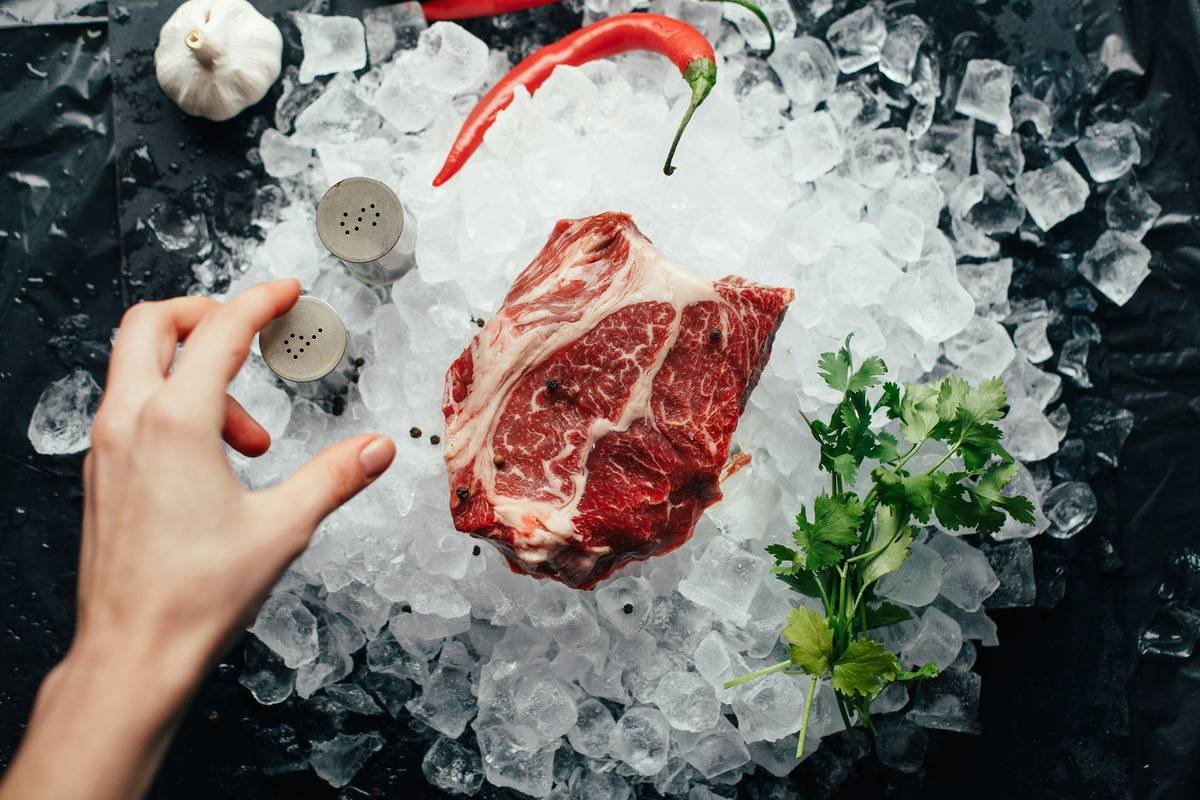
If your idea of “organ meat” is limited to pâté at fancy brunches, let’s reset. In raw pet nutrition, organs aren’t afterthoughts—they’re nutritional powerhouses. Beef organ grind blends nutrient-dense offal like liver (nature’s multivitamin), heart (rich in taurine for heart health), kidney (high in selenium), and spleen (immune support)—ground for easy feeding and digestion.
According to the Journal of Animal Physiology and Animal Nutrition, dogs fed biologically appropriate raw diets with proper organ inclusion show improved coat luster, dental health, stool quality, and energy levels within 4–8 weeks. And it’s not just anecdotal: AAFCO recognizes liver as a critical source of preformed vitamin A (retinol), which dogs can’t synthesize from beta-carotene like humans can.
My confessional fail? I once bought a cheap “beef blend” labeled “with organs”—only to discover it was 95% trimmings and 5% powdered liver extract. My oldest dog, Luna, developed loose stools and mild jaundice (thankfully reversible). Lesson learned: if it doesn’t specify organ percentages or sources, walk away. Your dog’s liver will thank you.
How to Choose, Store, and Feed Beef Organ Grind Safely
Where do I buy legit beef organ grind?
Opt for brands that are:
- USDA-inspected and human-grade (not “feed-grade”)
- Transparent about sourcing (grass-fed, pasture-raised preferred)
- Flash-frozen at peak freshness (slows enzymatic degradation)
Top trusted suppliers include Darwin’s Natural Pet Products, Raw Feeding Miami, and small-batch farms on platforms like LocalHarvest.org. Avoid generic Amazon listings without lab testing reports.
How much should I feed?
Remember the 10% rule: organs should make up no more than 10% of your dog’s total raw diet. Of that 10%, half should be liver due to its high vitamin A content. Overfeeding liver can lead to hypervitaminosis A—symptoms include bone deformities and joint pain (AVMA).
Example: For a 50-lb dog eating 2.5% of body weight daily (1.25 lbs of food), organ meat = 2 oz total. That breaks down to ~1 oz liver + 1 oz mixed other organs (heart, kidney, etc.).
Thawing & Handling Frozen Beef Organ Grind
Frozen is ideal for safety and shelf life—but never thaw on the counter. Bacteria like Listeria and E. coli multiply rapidly above 40°F. Instead:
- Move from freezer to fridge 24 hours before feeding.
- Portion in sealed containers to avoid cross-contamination.
- Use within 3 days of thawing.
Grumpy Optimist Dialogue:
Optimist You: “Just pop it in the microwave for 30 seconds!”
Grumpy You: “Ugh, fine—but only if you enjoy nuking essential enzymes and creating hot spots where bacteria throw raves.”
5 Expert Best Practices for Maximum Nutrient Retention
- Rotate organ sources. Don’t rely solely on beef. Mix in chicken, lamb, or turkey organs periodically to prevent nutrient imbalances and allergen buildup.
- Never cook it. Cooking destroys heat-sensitive nutrients like B vitamins and taurine. Raw is non-negotiable for organ efficacy.
- Pair with bone-in meals. Organs lack calcium. Always balance with 10% edible bone (e.g., chicken necks) to maintain ideal Ca:P ratio (~1.2:1).
- Introduce slowly. Start with ¼ tsp per 10 lbs of body weight, gradually increasing over 7–10 days to avoid digestive upset.
- Test your dog’s tolerance. Some breeds (e.g., Dalmatians) metabolize purines differently—consult your vet before feeding high-purine organs like liver long-term.
🚨 Terrible Tip Disclaimer: “Just add organ powder to kibble for benefits!” Nope. Kibble’s high-carb, processed base neutralizes raw enzymes and creates oxidative stress. It’s like putting organic kale in a Big Mac and calling it healthy. Doesn’t work.
Real Results: My Dogs’ Transformation on Beef Organ Grind
Last winter, my 9-year-old shepherd mix, Bear, had flaky skin, brittle nails, and zero pep. Bloodwork showed mild anemia and low B12. After switching to a balanced raw diet with 10% grass-fed beef organ grind (including 5% liver), here’s what changed in 8 weeks:
- Coat went from straw-like to glossy (vet commented unprompted)
- Stools became compact and light-colored (sign of efficient digestion)
- Energy rebounded—he started chasing squirrels again (!)
- B12 levels normalized without supplements
This isn’t magic—it’s biochemistry. Organs deliver nutrients in species-appropriate forms dogs evolved to absorb. As Dr. Karen Becker, proactive wellness veterinarian, states: “Whole food nutrition trumps synthetic fortification every time.”
Beef Organ Grind FAQs—Answered Honestly
Can puppies eat beef organ grind?
Yes—but introduce even more slowly (start at 1/8 tsp per 10 lbs) and ensure calcium balance is precise during growth phases. Consult a vet trained in raw diets.
Is frozen beef organ grind as good as fresh?
Often better! Flash-freezing locks in nutrients at peak freshness. Fresh organs degrade rapidly post-slaughter; frozen buys you time without spoilage.
What if my dog refuses to eat it?
Try lightly searing the outside (keep interior raw) or mixing with bone broth ice cubes. Never force-feed—some dogs need 3–5 exposures to accept new textures.
Can I make my own beef organ grind?
Absolutely—if you have access to inspected, human-grade organs and a commercial-grade grinder (home grinders often clog on sinew). Wear gloves, sanitize surfaces, and freeze in single-meal portions immediately.
Final Thoughts
Beef organ grind isn’t a trend—it’s ancestral nutrition repackaged for modern pet parents who refuse to settle for “good enough.” When sourced responsibly, handled safely, and fed in correct ratios, it delivers measurable, visible health upgrades your dog deserves.
So next time you see your pup eyeing that sock… maybe offer a spoonful of thawed beef organ grind instead. Their tail (and liver) will wag harder.
Like a Tamagotchi, your dog’s health needs daily, intentional care—not just digital attention.
Fridge hums low,
Liver thaws slow—
Dog dreams steak bones.