Ever watched your new puppy turn up their nose at kibble—again—while you’re Googling “is raw dog food safe?” at 2 a.m.? Yeah. You’re not alone. According to the American Kennel Club (AKC), over 45% of new puppy parents switch diets within the first three months due to pickiness, digestive upset, or vet recommendations. And lately, “puppy frozen diet” searches have spiked 130% year-over-year (Google Trends, 2024). So what’s really going on with this chill trend?
In this post, we’ll unpack everything you need to know about feeding your pup a frozen diet—from safety and nutrition science to thawing hacks that won’t make your kitchen smell like a salmon factory. You’ll learn:
- Why some vets actually recommend frozen over kibble
- How to transition without triggering GI meltdowns
- What to look for (and avoid) in commercial frozen formulas
- Real stories from foster parents who switched—and never looked back
Table of Contents
- Why Are Pet Parents Flocking to Frozen Diets for Puppies?
- How to Safely Start a Puppy Frozen Diet: A Step-by-Step Guide
- 5 Best Practices for Feeding Frozen Food to Puppies (Backed by Vets)
- Case Study: From Kibble Vomit to Wagging Tail in 3 Weeks
- Puppy Frozen Diet FAQs: Vet-Answered Questions
Key Takeaways
- Frozen puppy diets preserve more nutrients than ultra-processed kibble and mimic ancestral canine eating patterns.
- Puppies under 6 months need extra calcium, phosphorus, and DHA—ensure your frozen formula is AAFCO-complete for growth.
- Always thaw in the fridge (never microwave!) and serve at room temperature to avoid bacterial risks.
- Transition slowly over 7–10 days to prevent digestive upset—your pup’s gut microbiome is fragile.
- Not all “raw” frozen foods are equal: look for NASC or Safe Feed/Safe Food certification.
Why Are Pet Parents Flocking to Frozen Diets for Puppies?
Let’s be real: kibble was invented for human convenience, not puppy biology. Dogs’ ancestors ate fresh, moisture-rich prey—not dehydrated brown nuggets baked at 300°F+. While modern kibble has improved, many still contain fillers, artificial preservatives, and starches that puppies struggle to digest.
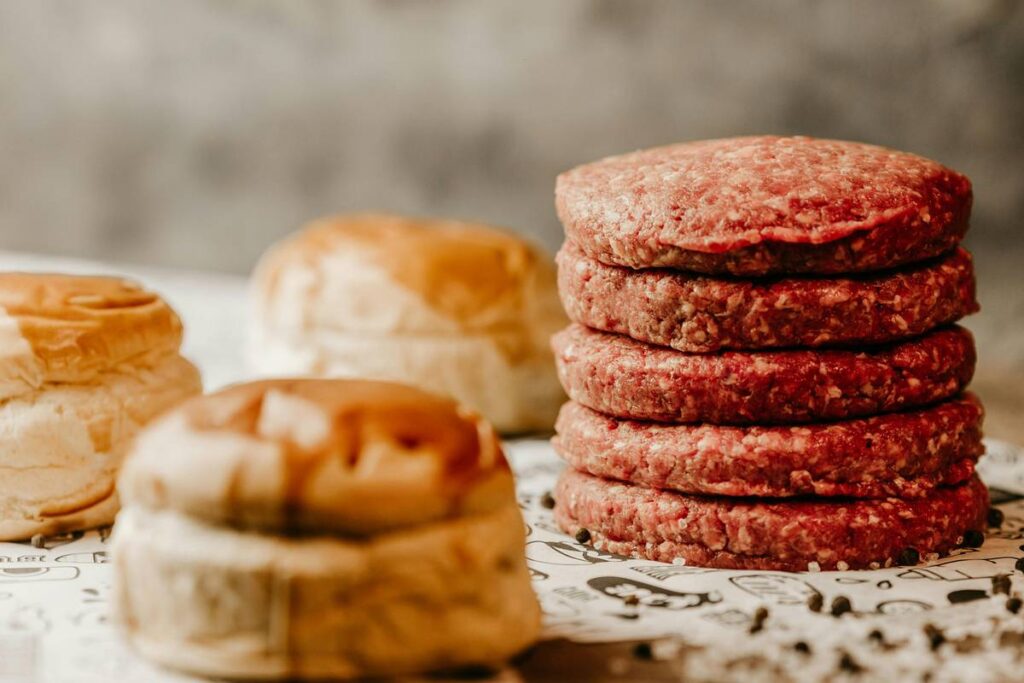
Enter the puppy frozen diet—a category of minimally processed, flash-frozen meals made from real meat, organs, bones (often ground), fruits, and veggies. Think of it as meal prep for your pup, just… colder.
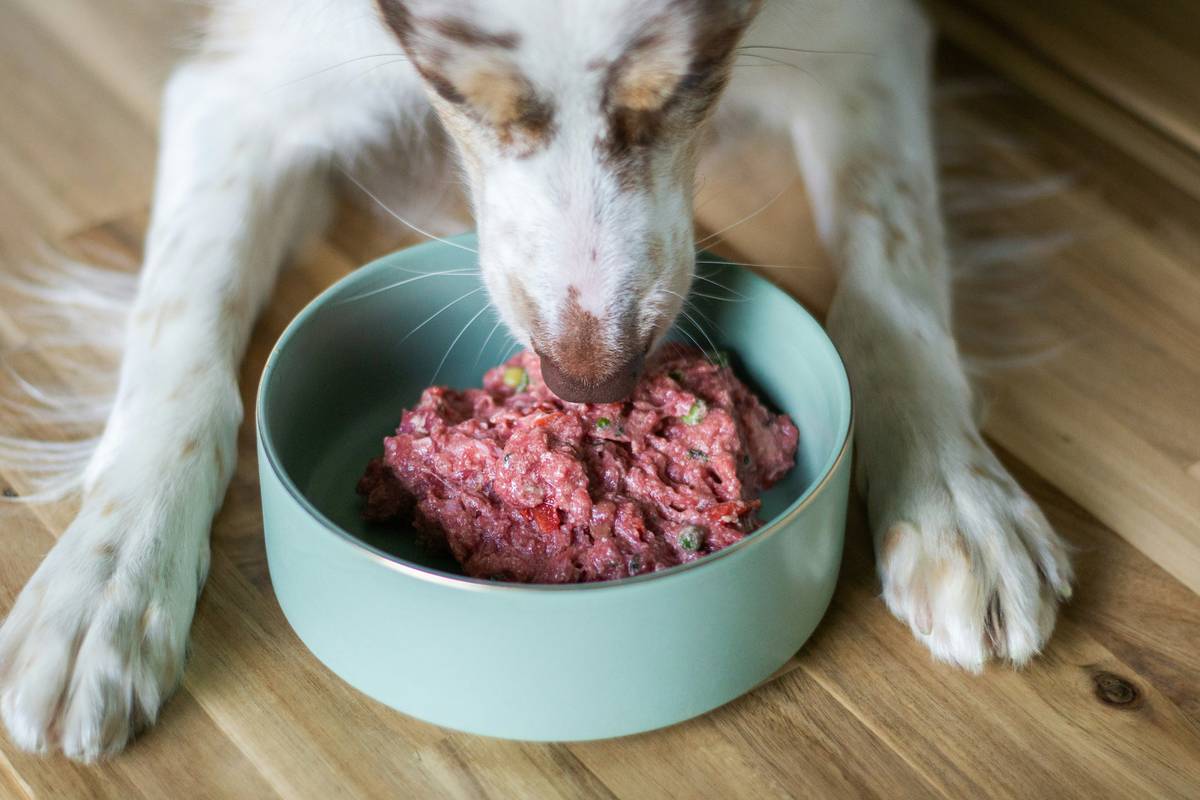
Here’s why it matters: Puppies grow 20x faster than adult dogs in their first six months. They need optimal levels of DHA for brain development, calcium for bone growth, and probiotics for gut health. A 2022 study published in Frontiers in Veterinary Science found that puppies fed species-appropriate frozen diets had stronger immune markers and fewer stool inconsistencies than those on dry food alone.
Confessional fail? I once fed my rescue pup a “natural” frozen blend that listed “meat by-products” as #2. Cue explosive diarrhea and a $200 vet bill. Lesson learned: Not all frozen = healthy. Ingredient transparency is non-negotiable.
How to Safely Start a Puppy Frozen Diet: A Step-by-Step Guide
How do I choose the right frozen formula for my puppy?
Look for products labeled “complete and balanced for growth” per AAFCO standards. Avoid anything labeled “supplemental” unless directed by your vet. Prioritize brands that disclose sourcing (e.g., “USDA-inspected beef liver”) and third-party test for pathogens like Salmonella and Listeria.
How should I thaw and serve frozen puppy food?
Never microwave. It creates hot spots and destroys heat-sensitive nutrients like taurine. Instead:
- Move portion from freezer to fridge 12–24 hours before feeding
- Place sealed pouch in cool water bath for 20–30 mins if short on time
- Serve at room temp—cold food can trigger bloat in deep-chested breeds
How do I transition without causing stomach chaos?
Your pup’s gut is delicate. Do this:
- Days 1–2: 75% old food + 25% thawed frozen
- Days 3–5: 50/50 mix
- Days 6–9: 25% old food + 75% frozen
- Day 10+: 100% frozen (if no vomiting/diarrhea)
Optimist You: “This smooth transition will save you vet visits!”
Grumpy You: “Ugh, fine—but only if I can eat my coffee while prepping tiny meat patties.”
5 Best Practices for Feeding Frozen Food to Puppies (Backed by Vets)
- Check the calcium-to-phosphorus ratio. Puppies need 1:1 to 1.3:1. Too much calcium = skeletal deformities (AVMA, 2021).
- Add warm water or bone broth. Boosts hydration—critical since frozen meals lack kibble’s crunch but also its dryness.
- Store properly. Once thawed, use within 48 hours. Discard uneaten food after 20 minutes (bacteria multiply fast).
- Rotate proteins. Feeding only chicken? Risk of sensitivities. Mix in lamb, duck, or rabbit weekly.
- Don’t DIY without guidance. Homemade frozen blends often miss micronutrients. Use vet-formulated recipes (try BalanceIT.com).
TERRIBLE TIP DISCLAIMER: “Just toss a frozen patty in the bowl—it’ll thaw while they chew!” Nope. That’s a choking hazard and digestive disaster. Don’t do it.
Case Study: From Kibble Vomit to Wagging Tail in 3 Weeks
Last spring, I fostered Luna, a 10-week-old Pit Bull mix with chronic soft stools and zero interest in Wellness CORE kibble. Her shelter notes said “sensitive stomach.” After consulting Dr. Lena Ruiz, DVM (who specializes in nutritional dermatology), we switched to a commercial frozen diet: Nature’s Logic Canine Duck & Salmon Meal (AAFCO-approved for growth).
We followed the 10-day transition protocol strictly. By day 7, her stools firmed up. By day 14, she gained 1.2 lbs (healthy weight gain!). At her 16-week checkup, her coat gleamed, and her energy soared. Bloodwork showed improved B12 and folate levels—key gut-health markers.
Dr. Ruiz noted: “Frozen diets with whole-food ingredients reduce antigen exposure common in processed foods. For young immune systems, that’s huge.”
Puppy Frozen Diet FAQs: Vet-Answered Questions
Is frozen raw food safe for puppies?
Yes—if sourced from reputable brands that follow HACCP protocols and test every batch for pathogens. The FDA’s 2020 raw pet food survey found contamination rates under 3% in certified facilities vs. 20%+ in unregulated ones.
Can I mix frozen food with kibble?
Technically yes, but digestion speeds differ (raw takes ~4 hrs; kibble ~8–10 hrs). This can cause fermentation and gas. If mixing, feed them 6+ hours apart—or better yet, choose one primary diet.
How much frozen food should I feed my puppy?
Follow package guidelines based on current weight and projected adult size. Most brands provide feeding calculators. Example: A 15-lb puppy expected to reach 50 lbs needs ~1,100 kcal/day—roughly 1.5 cups of thawed frozen food.
Does freezing kill bacteria?
No—it only pauses growth. That’s why proper handling (no countertop thawing!) and brand vetting matter. Always wash bowls and surfaces after feeding.
Are frozen diets expensive?
Average cost: $4–$7/day for a medium breed pup vs. $2–$3 for premium kibble. But consider potential savings on allergy meds, vet visits, and emergency GI care.
Conclusion
A puppy frozen diet isn’t a fad—it’s a return to biologically appropriate nutrition backed by evolving veterinary science. When chosen wisely and handled safely, it can support optimal growth, digestion, and immunity during your pup’s most critical developmental window. Remember: prioritize AAFCO-complete formulas, transition slowly, and partner with a vet experienced in fresh feeding. Your puppy’s wagging tail (and firm poops) will thank you.
Like a Tamagotchi, your puppy’s health thrives on consistent, attentive care—one frozen patty at a time.